




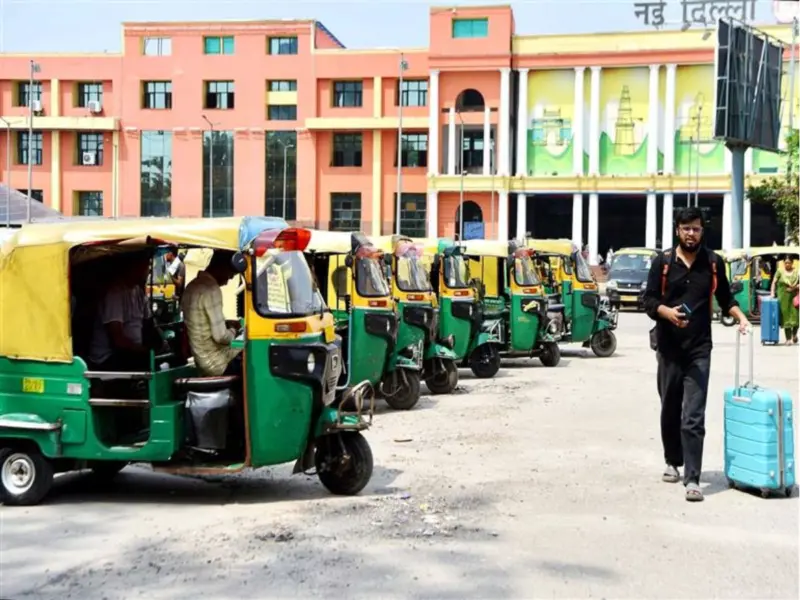

The situation has been complicated by ongoing transport strikes by sections of auto-rickshaw and taxi unions in Delhi-NCR, which have reduced feeder mobility options for metro and bus users.
Delhi's renewed push to shift commuters toward public transport, amid concerns over fuel availability linked to geopolitical tensions in West Asia, has run into growing frustration on the ground as passengers report overcrowding, irregular services and frequent disruptions caused by heatwaves and transport strikes.
With officials encouraging reduced private vehicle use as part of broader fuel-saving and demand-management measures, public transport systems, including the Delhi Metro and city bus networks, have seen a sharp rise in passenger load. However, commuters say the system is struggling to absorb the sudden pressure.
During peak hours, metro stations across key corridors such as the Yellow, Blue and Violet Lines are witnessing severe congestion, with passengers often forced to wait for multiple trains before boarding. Several commuters say travel times have become unpredictable due to delays and crowding.
"Even short distances are taking much longer now because trains are packed and sometimes delayed," said Ankit Sharma, an office worker who travels daily between North and Central Delhi. "If one train is skipped due to crowding, the next one is already overflowing."
At the same time, the bus network has been affected by fluctuating schedules and route-level disruptions, with commuters reporting irregular timings and long waiting periods at major stops.
Transport analysts say that while the government has been adding electric buses and promoting public transit, last-mile connectivity and frequency still remain weak in many parts of the city.
The situation has been further complicated by ongoing transport strikes by sections of auto-rickshaw and taxi unions in Delhi-NCR, which have reduced feeder mobility options for metro and bus users. According to commuters, this has left them with fewer alternatives during breakdowns or delays.
"I usually depend on autos after getting off the metro, but during strikes or protests, there is nothing available," said Neha Verma, a resident of Dwarka. "That makes the whole journey uncertain."
Adding to commuter discomfort is the extreme heat gripping the capital, with temperatures hovering around 45-46 degrees Celsius in several areas. Long walks to stations, waiting on exposed platforms, and overcrowded buses have made daily travel physically exhausting, particularly for office workers, students and outdoor labourers.
"Standing in the sun for even 10 minutes feels unbearable," said a delivery worker near Connaught Place. "By the time I reach home, I feel completely drained."
Transport experts say the combined effect of rising demand, infrastructure stress and external disruptions has exposed gaps in Delhi's mobility planning. While the Metro remains one of the most reliable urban transport systems in the country, its peak-hour capacity is under strain, and the bus network continues to face issues of frequency and coverage.
Recent policy pushes to encourage public transport usage have also highlighted the lack of seamless integration between different modes. Experts argue that without stronger coordination between metro, buses and feeder services, shifting commuters away from private vehicles will remain difficult.
Authorities maintain that steps are being taken to improve efficiency, including expansion of electric bus fleets, introduction of shuttle services in select zones, and better route rationalisation. However, implementation challenges and rising demand continue to create pressure points.
For many commuters, the daily experience reflects a growing mismatch between policy intent and ground reality. While public transport is being positioned as the solution to fuel concerns and environmental challenges, users say reliability, comfort and timing must improve significantly for the system to handle the surge effectively.