




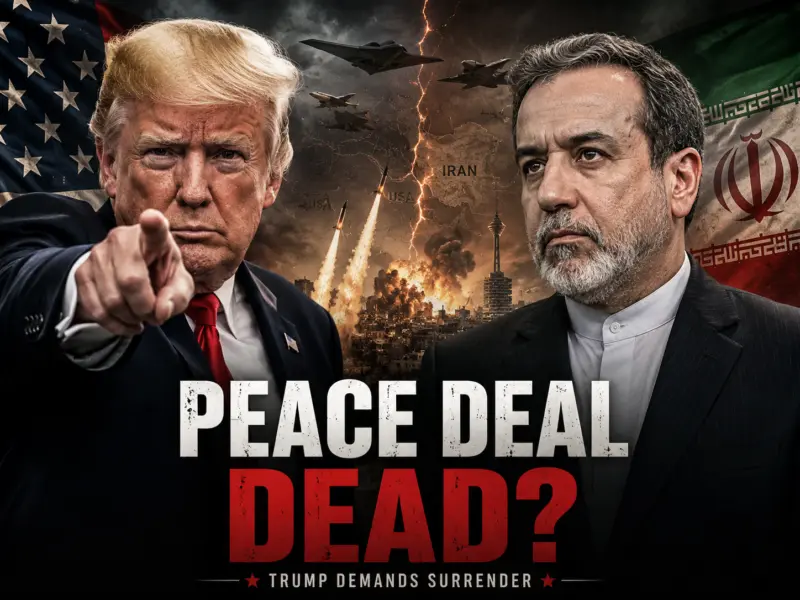

In what is being seen as a catastrophic scenario in the Middle East conflagration, the fragile Iran-US truce, brokered by third actors, may be on the verge of total collapse after the United States "flatly rejected" Iran's latest peace proposal.
A senior US official and a source who spoke on condition of anonymity told Axios that the Trump administration hasn't found any meaningful improvement in Tehran's counterproposal sent via Pakistan. The new proposal is "insufficient" for a deal, the source said, thrusting the military escalation back onto the table.
US President Donald Trump is considering resuming the war in Iran, the source familiar with the matter told the network, adding that the US Commander-in-Chief is expected to chair a meeting comprising the top national security team in the Situation Room to discuss "military options."
The proposal, submitted by Tehran's officials, has failed to serve as a viable starting point for negotiations, faltering the negotiation channels between the two adversaries and stoking fears of the resumption of bombings. The diplomatic impasse has prompted Trump to evaluate immediate next steps, that includes the potential resumption of targeted airstrikes against Iranian infrastructure, the source has revealed. Trump told the broadcaster in a phone call on Sunday, before receiving Iran's later offer, "For Iran, the Clock is ticking, and they better get moving, FAST, or there won't be anything left of them." He warned the Islamic Republic in a fiery post on his Truth Social platform, "TIME IS OF THE ESSENCE!"
A Fragile Ceasefire & A Proposal 'Insufficient' For A Deal
The looming Iran-US military escalation threatens an April 8 truce that had briefly halted the intense hostilities launched by the US and Israel in February. Sources close to Trump have told reporters that the US President has made up his mind to move toward military intervention as early as this week if Iran's IRGC forces continue their crippling blockage on the vital chokepoint of the Strait of Hormuz.
"US officials say President Trump wants a deal to end the war, but is considering resuming it due to Iran's rejection of many of his demands and refusal to make meaningful concessions on its nuclear program," Axios' Barak David, who spoke to insiders, reported. He continued, "The senior US official said that if Iran doesn't shift its position, the US will have to continue the negotiations 'through bombs.'"
Speaking to reporters about his move going forward, Trump remarked that the current Iran ceasefire is effectively on "life support" due to its refusal to make meaningful nuclear concessions.
The updated Iranian proposal was sent to the US via Pakistani intermediaries on Sunday night. According to Axios's sources, Trump found the terms almost similar to only "token improvements on the last version."
The US official warned that there has been no progress despite the exchange of documents. "We are really not making a lot of progress. We are at a very serious place today. The pressure is on them to be responsive in the right way," he reportedly stated.
The Point of Contention in the Iranian Proposal
The primary sticking point centres on the dismantlement of Iran's nuclear infrastructure and the relocation of its enriched uranium. Recently, Israeli Prime Minister Benjamin Netanyahu backed Trump's concerns, emphasising that the war cannot be resolved as long as Tehran retains nuclear weapons-grade material. Israeli public broadcaster Kan further reported that Washington and Jerusalem are already coordinating potential joint strikes targeting Iran's national energy grid if diplomacy fails entirely.
Iranian state media, operating via the ISNA news agency, countered that Washington's demands are "excessive" and one-sided. Tehran has demanded an immediate lifting of US oil sanctions and guarantees for its domestic management of the Strait of Hormuz, the vital global energy chokepoint that has been severely disrupted by the war.
Military Might Mobilises, Global Market Reacts
The collapse of the talks has sent shockwaves through global financial markets. Oil futures surged, and stock prices fluctuated wildly as energy traders braced for a renewed blockade of the Strait of Hormuz, which could choke off a massive portion of the world's petroleum supply.
The threat of renewed hostilities coincides with major shifts in US naval positioning, as the world's largest aircraft carrier, the USS Gerald R. Ford, just returned to Virginia following a gruelling 11-month combat deployment supporting the Iran conflict, the longest post-Vietnam War deployment for a US carrier. While the Ford has docked for maintenance, the Pentagon maintained that it has significant firepower in the Middle East region to execute immediate strikes if ordered.
Amid the worsening deadlock, regional neighbours are frantically attempting to avert an all-out regional and economic catastrophe. Pakistan's Interior Minister Mohsin Naqvi held an emergency 90-minute private meeting with Iranian President Masoud Pezeshkian in Tehran to find a diplomatic off-ramp. However, as the White House prepared for a decisive Situation Room meeting, sources warned that time had officially run out. "It's time for the Iranians to throw a bit of candy out. We need some real, sturdy, and granular conversation [regarding the nuclear program]. If that's not gonna happen, we will have a conversation through bombs, which will be a shame," the source said.