

Meningitis B Outbreak: A recent outbreak of meningitis among patrons of a nightclub event in Canterbury, Kent, has raised serious health concerns after two students succumbed to the infection and 11 others were hospitalized.
What Is Meningitis B?
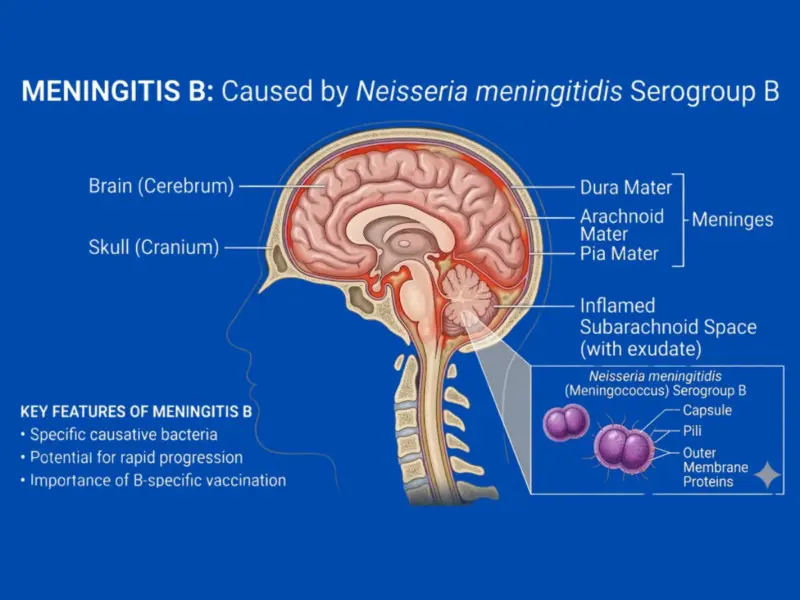
Meningitis B is a serious and potentially life-threatening infection caused by the bacteria Neisseria meningitidis. It causes inflammation of the protective membranes covering the brain and spinal cord and can lead to sepsis. Meningitis B infections are common among infants and young adults aged 16 to 24. Symptoms include fever, headache, stiff neck, and rash. Vaccination with Bexsero and Trumenba is important for prevention.
Why Is Meningitis B Dangerous?
Symptoms like severe headache, fever, stiff neck, and sensitivity to light need immediate attention. Bacterial meningitis is a severe case of meningitis and may result in death or health complications if not treated with antibiotics in time.
What Do Global Health Experts Say About Meningitis B?
According to the World Health Organization, meningitis B remains a major global health threat. It can be caused not only by bacteria and viruses but also by fungi and parasites. Without proper treatment, the disease can rapidly worsen and become fatal.
Why Is Meningitis B Often Mistaken for Flu?
Early symptoms of meningitis B, such as headache, fever, nausea, vomiting, and drowsiness, are similar to common illnesses like flu or even a hangover. This confusion can delay diagnosis and treatment, making the condition more dangerous, especially in bacterial cases.
What Are the Symptoms of Meningitis B?
Symptoms of meningitis B usually appear suddenly and can become severe quickly. These include a high fever, stiff neck, severe headache, nausea, vomiting, sensitivity to light, confusion, and difficulty concentrating. In some cases, a skin rash may appear. In babies, signs may include irritability, poor feeding, or a bulging soft spot on the head.
What Are the Main Causes and Types of Meningitis B?
Meningitis B can occur due to different causes. Bacterial meningitis is the most serious and requires urgent treatment. Viral meningitis is more common but usually milder and may resolve on its own. Other less common causes include fungal or parasitic infections, as well as non-infectious reasons like cancer or injury.
How Does Meningitis B Spread?
Meningitis B is a contagious disease that is easily spread from one person to another by respiratory droplets and close contact. It may be spread by coughing and sneezing, kissing, and by sharing food and drinks and eating utensils. It is more easily spread in a crowded area such as a student dormitory or a military barrack, especially in a place where people are in close living quarters.
Who Is at Higher Risk of Meningitis B?
Some people are more susceptible to meningitis than others. Children and people under 20 years old are more susceptible to meningitis B, especially bacterial meningitis. People living in group quarters, such as college students, are more susceptible to meningitis than others. People with weak immune systems, pregnant women, and those whose vaccination is not adequate are more susceptible to meningitis.
How Is Meningitis B Treated and Prevented?
Meningitis B is an emergency medical situation that requires immediate diagnostic tests, most commonly the spinal tap test. Bacterial meningitis is treated with antibiotics and sometimes steroids to combat inflammation. Viral meningitis is treated with bed rest, fluids, and basic care. The most effective method for preventing certain types of bacterial meningitis and containing outbreaks is through vaccination.
Disclaimer: This article is intended for informational purposes only and is not a substitute for professional medical advice.