




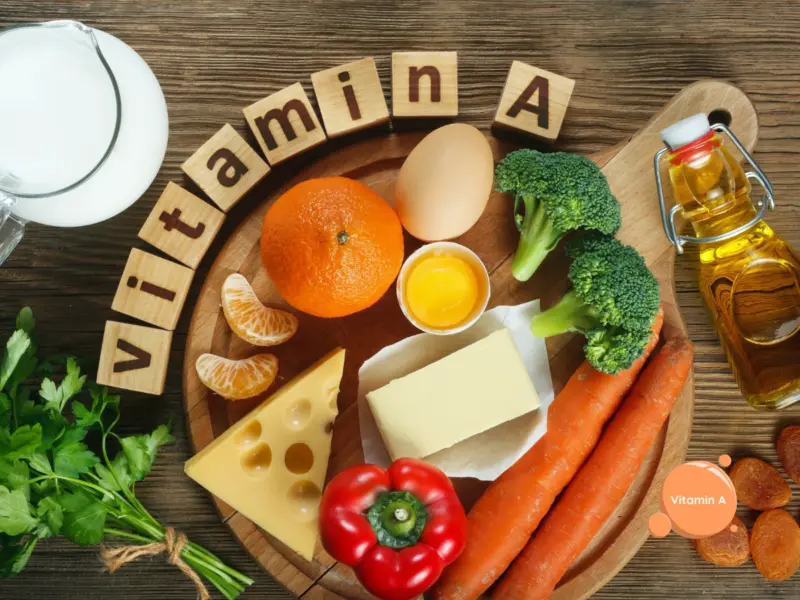

Vitamin A is a fat-soluble vitamin, also known as retinol. It is an important nutrient for your body and is crucial for maintaining the health of immune function, cellular growth, and good vision.
It usually comes in two forms: preformed vitamin A (retinoids) from animal products and provitamin A (carotenoids) from plant-based foods.
Let's understand how Vitamin A is beneficial and crucial for your body!
Which fruit is richest in Vitamin A?
Fruits, which are the richest source of Vitamin A, are:
Cantaloupe
Mangoes
Apricots (especially dried)
Papaya
Grapefruit
Watermelon
What does vitamin A do for the body? Benefits
Vitamin A plays a vital role in the development of your body and maintains the health of your immune function, cell growth, vision, and skin.
Vision Support: Vitamin A is vital for converting light into brain signals. It forms a pigment (rhodopsin) in the retina that allows you to see in low-light conditions. It also keeps the cornea moist and healthy, which prevents permanent blindness.
Immune System Healthy:Vitamin A maintains the body’s “front line” of defense by supporting mucous barriers in the eyes, lungs, and gut.
Reproduction and Growth:Vitamin A supports the healthy development of fetal organs such as the heart, lungs, and kidneys during pregnancy.
Bone Health: Vitamin A helps in bone growth. It also gives a lower risk of fractures or other bone injuries.
Antioxidant Protection: Vitamin A forms found in plants act as antioxidants that protect cells from damage by free radicals.
What happens if Vitamin A is too low?
If Vitamin A is too low, situations like vision loss (blindness), skin issues (dryness or itchy skin), or infertility (trouble conceiving) can occur.
How to get maximum Vitamin A?
Vitamin A is highest in liver, fish, eggs, and dairy products. However, most dietary provitamin A comes from leafy green vegetables, orange and yellow vegetables, tomato products, fruits, and some vegetable oils.
What are the signs of Vitamin A deficiency?
Vitamin A deficiency can lead to several health problems, such as low immunity, dry eyes, night blindness, dry skin, infertility, and growth problems in children.
What are the benefits of the Performed Vitamin A?
The Performed Vitamin A helps in providing immediate, bioavailable nutrients essential for vision (especially night vision), immune function, skin health, and embryonic development.
It is found in animal products, and it directly supports cell growth and tissue maintenance. It is critical for treating deficiencies and preventing issues like night blindness, dry eyes, and severe infections.
What are the side effects of Vitamin A?
Vitamin A side effects can lead to severe headaches, dizziness, nausea, dry or peeling skin, cracked lips, and joint pain.
What are the side effects of a Vitamin A Overdose?
Too much intake of Vitamin A can cause hypervitaminosis A, which leads to severe symptoms like headaches, liver damage, reduced bone density, hair loss, and dry skin.
Disclaimer: This information is for general knowledge only and should not be taken as medical advice. The Sunday Guardian doesn't claim anything and advises consulting with a healthcare professional regarding your specific nutritional needs.