





The ongoing conflict with Iran has triggered a major political setback for US President Donald Trump, as a top intelligence official has stepped down in protest against the administration's war policy.
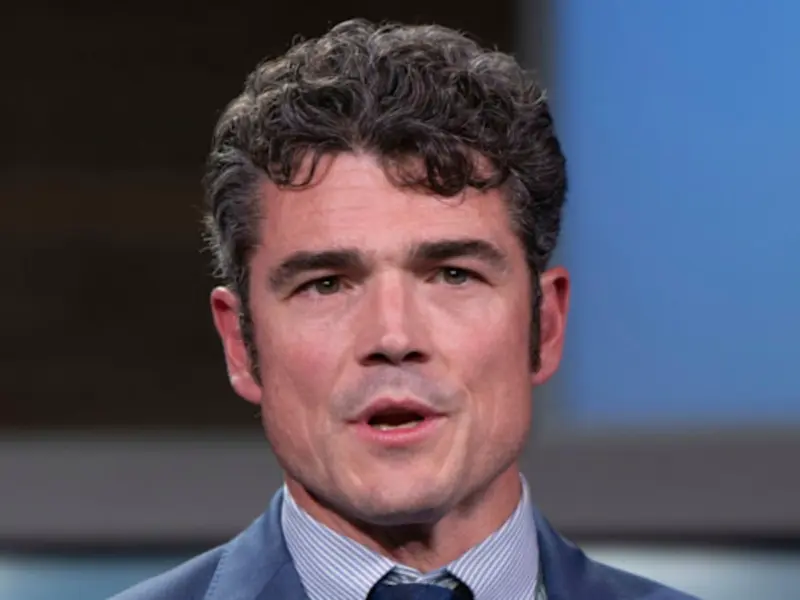
Joe Kent, director of the National Counterterrorism Centre, resigned from his post, publicly opposing the US involvement in the conflict. His exit has highlighted growing divisions within the administration and among key supporters over the direction of the war.
Iran-US War Latest Update: Why Did Joe Kent Resign?
In a strongly worded resignation letter, Kent directly challenged the justification behind the conflict. He stated that Iran "posed no imminent threat to our nation," and added, "We started this war due to pressure from Israel and its powerful American lobby."
Kent's remarks sharply contradict the Trump administration's stance, which has repeatedly described Iran as a serious and immediate threat to US interests. Reacting to the resignation, President Trump dismissed Kent's concerns and defended his administration's position.
"It's a good thing that he's out because he said that Iran was not a threat." The President called Kent "a nice guy" who was "very weak on security". Kent's departure marks the most high-profile resignation since the US joined Israel in launching strikes against Iran on February 28.
Joseph Kent Resignation Letter
On his X account, Joe Kent wrote that, 'After much reflection, I have decided to resign from my position as Director of the National Counterterrorism Center, effective today. I cannot in good conscience support the ongoing war in Iran. Iran posed no imminent threat to our nation, and it is clear that we started this war due to pressure from Israel and its powerful American lobby. It has been an honor serving under @POTUS and @DNIGabbard and leading the professionals at NCTC. May God bless America.'
Iran-US War Latest Update: Opposition Grows within Trump's Support Base
Kent is not alone in expressing doubts about the war. Several prominent figures within Trump's own support base have raised concerns.
High-profile voices like Tucker Carlson and Megyn Kelly have publicly questioned the necessity and consequences of the conflict, signalling unease within the broader MAGA movement.
Kent further argued that the US was drawn into the war through external influence and misinformation.
He claimed that 'high-ranking Israeli officials and influential members of the American media' promoted narratives that pushed the US toward military action.
Iran-US War Latest Update: Concerns over the long-term Impact of War
Kent also warned against repeating past mistakes, comparing the situation to the Iraq War of 2003.
He emphasized the human and strategic costs of such conflicts, saying, 'As a veteran who deployed to combat 11 times and as a Gold Star husband who lost my beloved wife Shannon in a war manufactured by Israel, I cannot support sending the next generation off to fight and die in a war that serves no benefit to the American people nor justifies the cost of American lives.'
He added that previous wars had already cost the US "the lives of thousands of our best men and women," cautioning against entering another prolonged conflict without clear objectives.
Kent's political and professional history has also drawn attention. Before taking up his intelligence role, he faced criticism for links with far-right figures and controversial statements. He had acknowledged attending discussions involving controversial individuals and had also supported claims surrounding the January 6 Capitol riots.
Despite this background, his resignation has intensified debate over the Iran war and its justification.
Iran-US War Latest Update: Is this Pressurising the US?
The situation becomes more complicated as the US faces limited support from European and NATO allies in the conflict. With no clear long-term strategy emerging and rising concerns over oil and gas disruptions, the war has already begun affecting global markets.
Kent's resignation now adds another layer of uncertainty, raising questions about internal consensus within the US leadership as the conflict continues.