
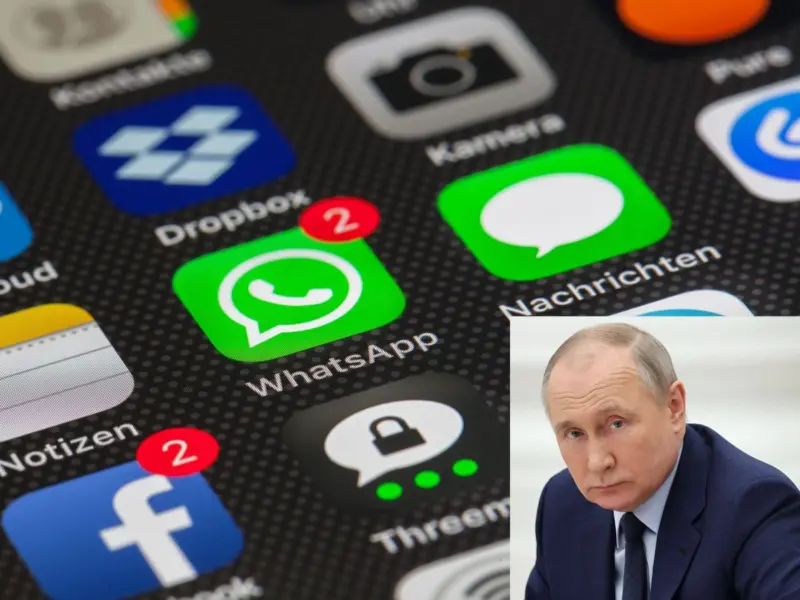

Russian authorities are increasing their efforts to limit the use of virtual private networks (VPNs), which people use to bypass government internet controls.
At the same time, more and more people in Russia are depending on these tools in their daily lives. Regulators have blocked hundreds of VPN services. They have also banned advertisements for VPNs and asked app stores to remove them. In addition, the government has restricted payment options for foreign platforms, making it harder for users to access such services.
Russia Expands Internet Controls Beyond VPNs
These actions are part of a larger strategy to control the internet. The government has introduced mobile internet shutdowns in several regions and uses a state-approved "white list" of websites that remain accessible during disruptions.
However, officials have not imposed a complete ban on VPNs. Experts believe that a full ban would be very difficult to enforce and could harm the country's economy and technology systems.
Blocking VPNs Causes Banking and Payment Disruptions
The stricter controls have already started causing unexpected problems. A report by Reuters said that Pavel Durov, the founder of Telegram, claimed that efforts to block VPNs led to issues in Russia's banking system.
Some digital payment services stopped working, forcing businesses and transport systems to switch to manual processes. In some cases, metro systems allowed passengers to travel without paying, while shops asked customers to pay in cash.
"Their blocking attempts just triggered a massive banking failure," Durov said on Telegram. "Welcome back to the Digital Resistance, my Russian brothers and sisters. The entire nation is now mobilised to bypass these absurd restrictions."
Why Is Russia Cracking Down on VPNs ?
Russia is intensifying its crackdown on VPNs, with major domestic websites now required to block VPN traffic starting April 15, or face penalties and removal from government "white lists." The restrictions have already caused significant disruptions, including failures in domestic payment systems, forcing Moscow metro riders to travel without paying and some businesses to accept cash only, which Telegram founder Pavel Durov called a "massive banking failure" and a sign of growing "Digital Resistance." Apple has also removed several VPN and proxy apps from the Russian App Store, further limiting access to tools that allow users to bypass censorship, highlighting the increasing pressure on internet freedom in the country.
Telegram Faces Pressure from Authorities
The crackdown on VPNs is also linked to attempts to control Telegram, one of the most popular platforms in Russia. With millions of users, Telegram is not just a messaging app. It is widely used for news, official communication, business activities, activism, and even military coordination related to the Ukraine conflict.
Media organisations, government agencies, and bloggers all use Telegram channels, while opposition leaders rely on it to reach people inside the country. Because of its importance, any disruption to Telegram can have a major impact on Russia's digital ecosystem.
VPN Use Grows Despite Government Crackdown
Even with strict measures in place, VPN usage in Russia continues to grow. Since 2022, major global platforms like Facebook, Instagram, YouTube, and X have been blocked. As a result, millions of people now depend on VPNs to access information, communicate, and run businesses.
Estimates suggest that tens of millions of Russians use VPNs, and surveys show that nearly half the population has used one at least once. For many users, VPNs have become essential tools rather than occasional options.
How Is VPN Ban Affecting Internet Access?
While the government is tightening control through technical, financial, and legal steps, experts believe a complete ban on VPNs is unlikely. Such a move could disrupt critical systems and create more problems for the country's economy and digital infrastructure. For now, Russia continues to balance between restricting internet access and maintaining essential services, even as citizens find ways to stay connected.