




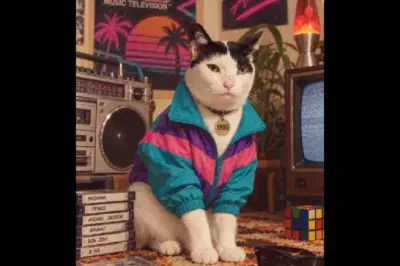

AI-generated images and videos of animals are undermining trust in wildlife charities' footage and flooding social media with mass-produced content, according to researchers, creators and advocacy groups tracking the trend.
The wave of so-called AI slop has grown rapidly in recent years, prompting animal welfare organisations and lawmakers in California and the European Union to respond, even as some creators say the content is proving lucrative.
The nonprofit We Animals, which has published work from 175 photojournalists documenting alleged animal abuse at farms, circuses and laboratories, said its authentic footage is increasingly mistaken for fabricated content.
Researchers say the effect extends well beyond charities. Jessica Maddox, an associate professor of media studies at the University of Georgia, said unlabelled AI content undermines the emotional connection cute animal videos rely on, removing the sense that viewers are watching something that genuinely happened. She warned that growing tolerance for harmless fakes could extend to more consequential ones, including manipulated images of politicians.
California and the European Union have introduced laws requiring AI image generators to embed invisible tags in their output, which platforms must use to label AI content publicly. TikTok and Instagram have begun labelling some AI posts, and YouTube recently expanded a policy barring monetisation of repetitive content to cover inauthentic content more broadly. Casey Fiesler, a professor at the University of Colorado who studies technology policy, said it remains unclear how the change will be applied in practice.
Verification tools built into ChatGPT, Gemini and Meta AI can identify whether an image originated from those chatbots, though each has limits on how many images can be checked, leaving most viewers without an easy way to confirm what they see online.