




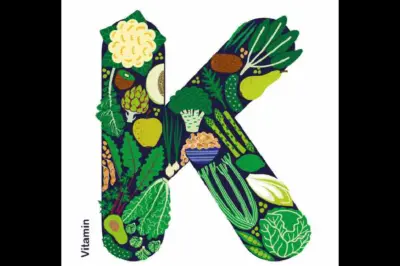

Vitamin K is one of the lesser-known micronutrients. Yet it is an essential fat-soluble vitamin that is best known for its role in blood clotting.
Without it, even a minor injury can result in prolonged bleeding because the liver cannot produce several of the clotting factors required. It does not readily cross the placenta. As a result, babies are born with very low stores of this vitamin.
Breast milk also contains only small amounts, leaving newborns particularly vulnerable to Vitamin K Deficiency Bleeding (VKDB) until the age of six months when weaning starts. This rare but potentially life-threatening condition can occur anytime during the first six months of life, although it is most common during the first few weeks. VKDB may cause bleeding into the brain or intestines or skin. Bleeding into the brain can lead to permanent brain damage, seizures, coma or even death.
The government recommends that every baby receive a single intramuscular injection of 1mg of Vitamin K within the first six hours after birth. This is why deliveries attended by trained healthcare professionals are strongly recommended.
Although oral Vitamin K preparations are available, they are less reliable because absorption is variable, parental compliance is poor and several doses are required. Babies receiving oral Vitamin K need repeated doses: 2mg at birth, with additional doses at two and six weeks.
Vitamin K is obtained from green leafy vegetables such as spinach, broccoli and cabbage, as well as from liver, cheese and egg yolk. It is also produced in the body by "good gut bacteria" living in the intestine.
Vitamin K activates a protein called osteocalcin, which helps bind calcium to bone. This reduces the risk of fractures in older adults. It also prevents calcium from being deposited in arterial walls and lowers the risk of cardiovascular disease.
The recommended daily intake is approximately 90 micrograms for women and 120 micrograms for men. Healthy adults rarely develop Vitamin K deficiency because it is widely available in food and also produced by healthy gut bacteria.
Deficiency of Vitamin K presents with easy bruising, frequent nosebleeds, bleeding gums or prolonged bleeding after cuts or surgery. In severe cases, internal bleeding can occur. People with chronic liver disease may have reduced storage and impaired utilisation of Vitamin K. Those with intestinal disorders such as coeliac disease, Crohn's disease, ulcerative colitis, or chronic pancreatitis may absorb less Vitamin K. Individuals who have undergone bariatric surgery or removal of part of the intestine are also susceptible. Long-term use of broad-spectrum antibiotics may destroy the beneficial gut bacteria that produce Vitamin K. Excessive alcohol consumption interferes with both absorption and liver function, increasing the likelihood of deficiency. Certain medications like the anticoagulant warfarin block the action of Vitamin K.
The writer has a family practice at Vellore and is the author of Staying Healthy in Modern India. If you have questions on health issues, write to yourhealthgm@yahoo.co.in