




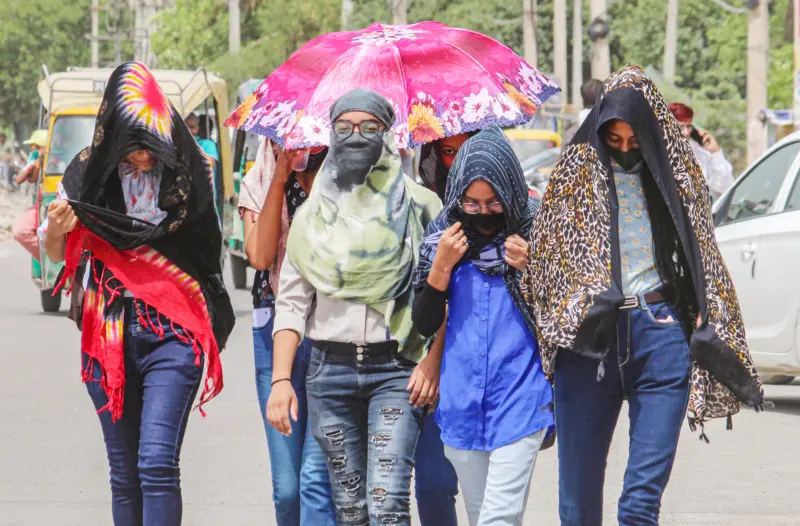

INDIA is feeling the heat - literally as well as economically. Rising temperatures are taking their toll on livelihoods and labour productivity amid back-to-back fuel price hikes and rocketing inflation.
The worst-hit are the poor and informal workers who form the backbone of India's economy. The nationwide battle against heatwaves can no longer be regarded merely as a seasonal public health concern; it is now a full-blown economic challenge. The warnings in recent years have been stark. The International Labour Organisation estimated in 2024 that India lost nearly $100 billion due to heat-induced productivity losses. The World Bank cautioned in 2022 that around three-fourths of the labour force in India worked in heat-exposed sectors, while the country alone may account for nearly half of the world's projected job losses caused by heat stress. The most vulnerable groups include construction workers, farmers and farm labourers, street vendors and delivery agents.
Central and state governments have issued advisories calling for steps such as rescheduled work hours, shaded rest areas, hydration facilities, protective clothing and health monitoring. Yet these measures remain fragmented and insufficient, considering the scale of the crisis. India's current heat action plans are largely temporary relief mechanisms. What the country urgently needs is a comprehensive policy framework that treats safe working conditions in the scorching summer months as an inalienable right.
Earlier this year, the 16th Finance Commission recommended that heatwaves be included in the list of notified disasters under the Disaster Management Act. This classification will enable states and UTs to use money from the State Disaster Response Fund for providing relief and assistance to people. Heatwaves, which inevitably trigger a surge in the demand for electricity and water, need to be tackled with robust, proactive preparedness. The choice before policymakers and other stakeholders is simple: adapt decisively now or pay a far greater human and economic price later.