

Symbols need cultural substance
Renaming Doaba Chowk as Shree Harivallabh Chowk is a welcome and meaningful step that reflects respect for our cultural roots.
However, symbolism alone is not enough. The government must take concrete and sustained measures to preserve and promote the rich heritage of Indian classical music associated with this historic tradition. Simply naming places after great legacies has limited impact unless backed by real efforts on the ground. Proper conservation of heritage sites, institutional support for musicians, documentation of traditions and promotion of music education are essential to keep this legacy alive for future generations. The street leading to Devi Talab Mandir could also be dedicated to the renowned Harivallabh Sangeet Sammelan, underscoring its historical and cultural significance. If implemented thoughtfully, such initiatives can transform the area into a living cultural space rather than a symbolic landmark, ensuring that the spirit of the festival continues to thrive.
Pranav Sharma
Reviving a musical hub
Jalandhar has long been an important centre of the music industry and this legacy deserves meaningful government support. At one time, musical instruments such as the banjo were manufactured here, providing both cultural value and local employment. Sadly, not a single manufacturing unit remains today. This decline underscores the urgent need for policy intervention and financial assistance. The government must take concrete steps to revive instrument manufacturing, support artists and encourage music-related industries. Protecting music is not merely about preserving culture - it is also about sustaining livelihoods and ensuring that this rich tradition is passed on to future generations.
Pavan Kumar
A festival that shapes generations
The move is certainly welcome, especially given the immense cultural significance of the Harivallabh Sangeet Sammelan. This historic festival has long symbolised India's rich classical music heritage, nurturing talent and preserving traditions across generations. Such initiatives ensure that the younger generation not only becomes aware of the festival but also understands the respect and legacy it carries. The Sammelan is not merely an annual event; it is a cultural movement that has contributed immensely to the promotion of Indian classical music and artists from across the country. Celebrating its 150th year is a remarkable milestone and a moment of pride for the cultural fraternity. Steps like these reinforce the importance of safeguarding cultural heritage and passing it on meaningfully to future generations.
Radhika Sharma
Surviving time, trends & technology
The Harivallabh Sangeet Sammelan turning 150 this year is nothing short of extraordinary. At a time when many fairs, gatherings and cultural organisations - once vibrant reminders of our heritage - have faded away and several gharanas were lost in the aftermath of Partition, the continued existence of Harivallabh is remarkable. That it has survived the onslaught of social media-driven culture and now even artificial intelligence is a miracle in itself. Yet, precious little is being done to conserve this living legacy. At the government level, there must be a designated annual fund for the Sammelan - transparent, assured and released without fail - so that organisers are not forced to seek funding afresh every year. The idea of a heritage street dedicated to Indian classical music is also an excellent possibility. Such an initiative would transform the Sammelan from a three-day event into a year-round cultural fixture, drawing visitors and learners at any time of the year.
Jagjit Kaushal
India's classical treasure overlooked
It is rather shameful that the Harivallabh Sangeet Sammelan continues to be run largely at a local level, without recognition as a national heritage event. This is a festival where the greatest exponents of Indian classical music have performed year after year without interruption, creating an unparalleled cultural continuum. Its archives contain priceless anecdotes, rare ragas and compositions - treasures that many institutions can only dream of. Students who once participated in its competitions are now accomplished musicians in their own right. It is tragic that such a vast repository of history remains hidden or neglected. The Sammelan's photographic and audio records alone are rich enough to support a full-fledged museum and music library. Immediate steps must be taken to conserve this legacy so future generations have living testimony to the greatness of the Sammelan.
Shamsher Singh
More than a three-day pandal
After completing a century and a half, the organisers of the Harivallabh Sangeet Sammelan deserve immense appreciation for keeping this historic musical legacy alive. The Devi Talab Mandir shakti peeth, the Sammelan itself and Doaba College together provide strong justification for the adjoining road to be developed into a heritage street. Given its stature, Harivallabh also deserves a museum of its own. It is important to remember that the Sammelan predates many other landmarks in the area and bears testimony to classical music traditions across castes, creeds and religions from across India. Despite this, it has received scant attention compared to other historic sites in Jalandhar and Punjab. For disciples of classical music, Harivallabh is deeply revered - but beyond the three days of the festival, there is scarcely even a signboard marking its legacy. This must change. The government must recognise its tourism potential and develop a year-round complex or heritage street - on par with the Partition Museum in Amritsar or the Bhagat Singh Museum at Khatkar Kalan, not merely a temporary annual pandal.
Preeti Kharbanda
Heritage street can redefine Jalandhar
The proposal to develop the area around Shri Devi Talab Mandir as a heritage street, along with the establishment of a Harivallabh Museum, deserves urgent and serious implementation. Such a project must incorporate modern architectural design and robust visitor facilities. It would provide a much-needed boost to city tourism while also emerging as a prominent socio-religious and cultural landmark. Along with the heritage street, a state-of-the-art auditorium should be built to host musical concerts by both eminent and emerging classical musicians on a regular basis. While the city has been successfully hosting the three-day Harivallabh Sangeet Sammelan every winter, this event - with its rich historical and cultural legacy - has immense untapped potential. With sustained promotion, it can be elevated to national and international platforms. Taken together, these initiatives could transform Jalandhar into a major centre of cultural and musical activity, giving it a distinct national identity and strengthening its standing at the state level.
Jagdish Chander
Cultural landmark gets facelift
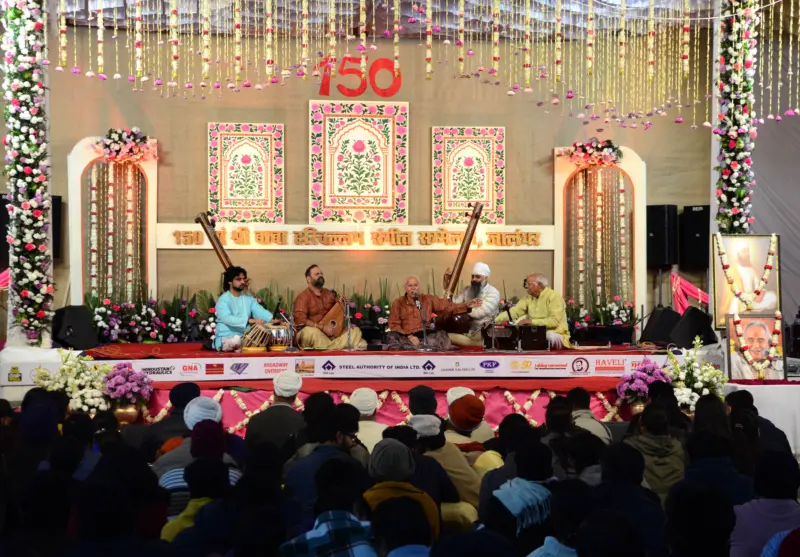
The 150th Shree Baba Harivallabh Sangeet Sammelan concluded recently at the historic Shri Devi Talab Mandir in Jalandhar. Revered by music lovers across the globe, this iconic annual event holds immense cultural and spiritual significance. This year's Sammelan was made even more memorable with the renaming of the nearby Doaba Chowk as Shree Baba Harivallabh Chowk, following its renovation and the installation of archival musical instruments. The move is a fitting tribute and a well-deserved recognition of a historic musical legacy, reflecting the rich heritage of Indian classical music and inspiring future generations of musicians and art connoisseurs. However, the chowk - located in the heart of the old city - remains heavily congested throughout the day. Illegal structures and encroachments have further narrowed the space, causing inconvenience to commuters as well as devotees visiting the temple. During the Sammelan, thousands of music lovers and pilgrims from across the country and abroad visit this spiritually significant site. In this context, declaring the entire stretch a heritage street and establishing a museum dedicated to Saint Harivallabh would help preserve its historic grandeur while ensuring smoother access for visitors. In line with development and urban upgradation initiatives in other cities, such a project would be a feather in Jalandhar's cap, particularly under the Smart City programme. Given the rising population and increasing vehicular density in old city areas, this step has become imperative. The initiative taken by private organisations, supported wholeheartedly by the government, is therefore a welcome move towards modern urban planning and improved civic infrastructure.
Nirmaljit Singh Chatrath