

Take proactive steps
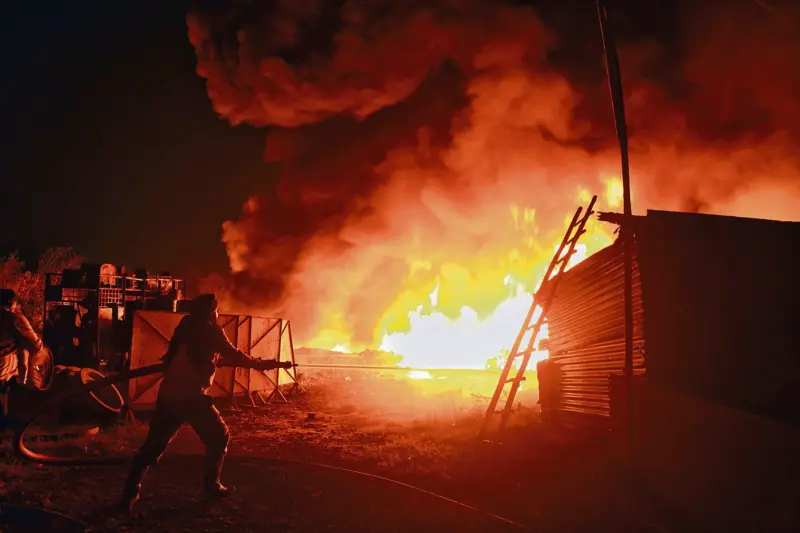
The problem is especially worse in densely populated urban areas, where buildings, electrical systems and flammable materials are densely packed.
To control such incidents, the authorities and the public must take proactive measures. Authorities should strengthen fire safety regulations, conduct regular inspections of residential and commercial buildings, and ensure that fire extinguishers, alarms and hydrants are maintained. They should improve emergency response systems by equipping the Fire Department with modern tools and conducting public awareness campaigns. Urban planning must include adequate spacing between buildings and clear access routes for fire engines. At the same time, the masses must act responsibly and avoid overloading electrical circuits, store flammable materials properly and not burn waste in crowded areas. Residents should learn basic fire safety practices and evacuation procedures. Through cooperation, awareness and strict enforcement of safety measures, fire incidents can be significantly reduced.
Novin Christopher
Fires spread fast in crowded cities
In crowded cities, even a small fire can quickly turn into a major disaster, causing damage to property and threatening lives. It is important for the authorities as well as citizens to take preventive steps. The authorities should ensure that buildings, markets and factories strictly follow fire safety rules. Regular inspections of electrical wiring, gas connections and fire safety equipment should be carried out. The Fire Department should organise awareness programmes and mock drills to teach people how to act during emergencies. At the same time, citizens must be careful while carrying out their daily activities. Overloading electrical sockets, using faulty wiring and careless handling of flammable materials should be avoided. People should immediately report any fire hazards in their surroundings. With awareness, responsibility and cooperation, the risk of fire incidents in cities can be significantly reduced.
Simranjeet Kaur
Everyone must take precautions
We must all take precautions to avoid fire incidents during summers. It is not the sole responsibility of the civic authorities, but a joint task for everyone. We must avoid overloading a single sockets and get regular wiring checks done by certified electricians, especially in old buildings. We should all turn off power appliances when not in use and not store old furniture, cardboard and other flammable junk on balconies, staircases or rooftops. We should dispose of garbage in designated bins and not empty plots. Everyone must ensure gas pipelines and regulators are checked regularly and never leave a flame unattended. Additionally, we must ensure that common corridors and staircases are not blocked.
Farzana Khan
Collective efforts needed
Controlling fire incidents requires a combination of strict enforcement by authorities and proactive behaviour from the public. All municipal bodies must ensure strict adherence to the National Building Code, especially for fire-resistant materials, fire exits and open spaces. Authorities should conduct inspections regularly to check overloaded transformers and faulty wiring. The Fire Department should conduct regular mock drills and training sessions in the residential colonies and high-risk apartments. The public can contribute by avoiding overloading sockets, not using faulty wiring and ensuring main circuit breakers (MCBs) are installed and functioning properly. This will help prevent short circuits. Servicing of air conditioners, air coolers and fans before the peak summer season is needed as they are among the primary causes of electrical fires.
Sucha Singh Sagar Bullowal
Systemic efforts can curb blazes
As temperatures rise, the combination of heat, dry conditions and urban infrastructure creates a tinderbox, especially in densely populated areas. Preventing and managing these fires requires a dual approach, systemic action by authorities and vigilant habits by the masses. Aging electrical grids are a major ignition source, and the authorities concerned need to audit and upgrade transformers and wiring in densely populated areas. They must ensure strict adherence to electrical load limits, especially during peak summer and peak-usage hours. Implementing a strict zero-tolerance policy for waste dumping in vacant plots is a need of the hour as the garbage often serves as fuel that helps fires spread. The authorities must clear illegal encroachments from narrow lanes to ensure fire tenders can reach the scene. All fire hydrants must be audited for water pressure, and the authorities should map and maintain all natural and artificial water bodies, such as ponds, that fire engines can use as refill points during long operations.
Mohammad Saleem Farooqui
Electrical equipment among major causes
By practising some fire safety trips during summer, one can protect property and ensure their loved ones are safe. Unsafe electrical installations, improper storage practices and misuse of cellar spaces are the major reasons behind fires. Shop owners must maintain fire-fighting systems, keep exits unobstructed and refrain from using cellars for storage or residential purposes. Additionally, cigarette smoke contains high levels of monoxide, which can ignite dry materials such as paper and wood. Everyone must avoid smoking around flammable materials and ensure safe storage of liquids and gases. The Fire Department should intensify audits, surprise inspections and public awareness drives across the state.
RS Sembhi
Problem worse in urban localities
The issue is worse in urban localities. Cities are often densely populated, with buildings located close to each other. In such areas, even a small fire can spread quickly and cause serious damage to life and property. A major reason for such incidents is the excessive use of electrical appliances, such as air conditioners, air coolers and fans. They may lead to overloads and short circuits. Faulty wiring, careless handling of liquefied petroleum gas (LPG) cylinders and burning of waste in the open also contribute to the problem. To control such incidents, the authorities must enforce strict safety regulations, conduct regular inspections and improve emergency response services. At the same time, citizens should follow safety precautions, maintain electrical systems properly and avoid overloading sockets.
Amarjit Singh Oberoi
Issue explained
THE authorities must strengthen fire safety norms, enforce building codes and ensure regular inspections at high-risk zones. Quick-response infrastructure, such as well-equipped fire stations, hydrants and trained personnel, needs expansion to match urban growth. Public awareness is equally vital: Residents should be educated about safe handling of electrical appliances, emergency exits and the importance of not blocking access routes. Community-level drills and citizen participation in safety campaigns can foster preparedness. Ultimately, reducing fire hazards requires a dual effort, planning and enforcement by authorities, and responsible and vigilant behaviour by the masses.
QUESTION for next week
Amid the nationwide liquified petroleum gas (LPG) crisis, is unnecessary hoarding by households worsening the situation for everyone? Should stricter penalties or community-driven checks be introduced to ensure fair distribution of the cooking fuel?
Suggestions in not more than 150 words can be sent to ludhianadesk@tribunemail.com by Thursday (March 19).