





Let's be honest. Most of us don't dream of spending two hours in the kitchen after a long day at work. Yet, we still want food that tastes homemade, not something that feels rushed or looks like it came from a freezer aisle.
This is where artificial intelligence and smart kitchen appliances have quietly changed the game. They haven't replaced the cook; they've simply taken over the repetitive jobs, leaving us free to do everything else.
Think about a modern smart rice cooker. Earlier, cooking rice meant keeping an eye on the water, lowering the flame and hoping it didn't stick to the bottom. Today's intelligent rice cookers automatically measure cooking cycles and switch to a warming mode once the rice is perfectly done. Even better, many come with a steaming tray. So, while your basmati rice cooks below, broccoli, carrots, beans and baby corn are gently steaming above.
Twenty-five minutes later, you have fluffy rice, perfectly cooked vegetables that still look vibrant, and not a single extra saucepan to wash. That's not just convenience, that's smart multitasking. We save time and energy both.
Similarly, the latest generation of smart ovens understand whether you're roasting vegetables, baking lasagne or grilling paneer. Instead of blasting food with dry heat, these intelligently combine convection, steam and controlled airflow to retain moisture. The vegetables stay bright, the paneer remains juicy and the bread develops a bakery-style crust.
The household favourite air fryer, too, has become much more than a gadget for frozen fries. Toss baby potatoes with olive oil, garlic and rosemary, place marinated paneer skewers on another rack and add cherry tomatoes alongside. With circulating hot air and intelligent cooking programmes, everything cooks together. Meanwhile, you can prepare a quick yoghurt dip, pack tomorrow's lunch or finally finish that cup of coffee before it goes cold.
The real beauty of these appliances is that these encourage parallel cooking. Technology also removes one of the biggest frustrations in home cooking: guesswork. Intelligent sensors adjust temperature, prevent overcooking while preserving natural colour, texture and flavour. Spinach remains green, broccoli doesn't turn grey, paneer stays soft and rice cooks evenly.
Will technology ever replace the instinct of adding a little extra cumin because your father likes it that way? Probably not. Nor should it. Cooking is still about memories, family traditions and personal taste. Artificial intelligence simply ensures that while your recipes remain traditional, the process becomes modern.
Perhaps that's the biggest gift smart kitchens offer us - not just perfectly cooked food, but something even more valuable: time. Time to sit together. Time to laugh. Time to enjoy the meal instead of spending the evening cooking it.
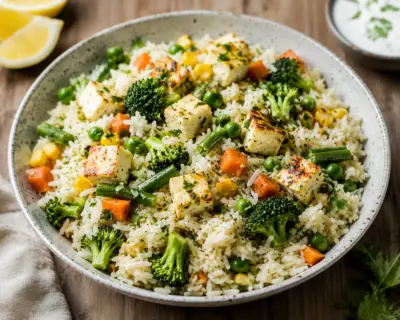
Lemon herb rice with paneer and vegetables
Ingredients
Basmati rice (washed) 1 cup
Paneer cubes 200 gm
Broccoli florets 1 cup
Baby carrots ½ cup
Green beans ½ cup
Sweet corn ½ cup
Olive oil 1 tbsp
Butter 1 tsp
Garlic cloves (minced) 3
Zest and juice of lemon 1
Black pepper (crushed) 1 tsp
Cumin powder (roasted) 1 tsp
Salt To taste
Parsley or coriander (chopped) For garnish
Method
Place the rice, water, butter, garlic, cumin and a pinch of salt in the rice cooker. Arrange the broccoli, carrots, beans and sweet corn in the steaming basket above the rice.
While the rice cooker works its magic, lightly season the paneer with olive oil, black pepper and a little salt. Place it in the air fryer at 190°C for 8-10 minutes until lightly golden.
When the rice is ready, gently fold the steamed vegetables into the fragrant rice, along with the lemon zest and juice. Top with the crisp paneer, drizzle a little olive oil, scatter fresh herbs and serve with a bowl of mint yoghurt.
- The writer is a celebrity chef