




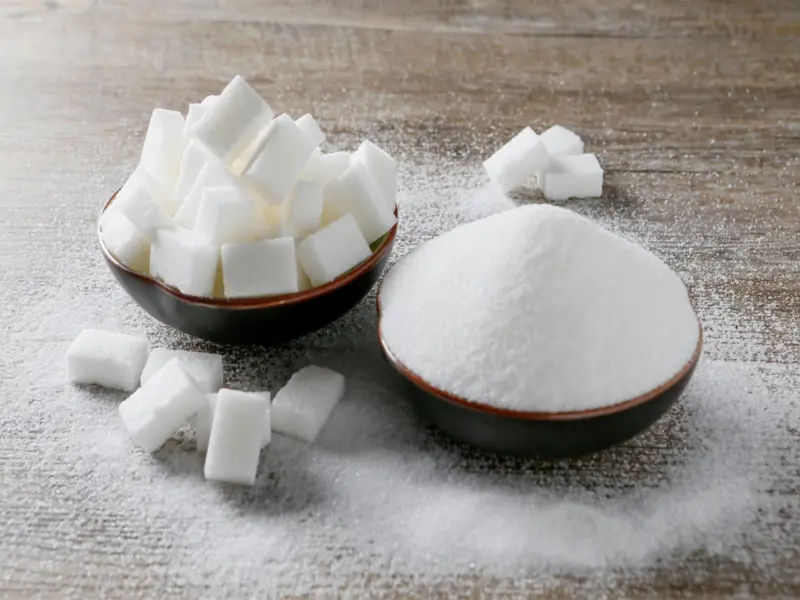

In an effort to manage domestic prices, protect local supply and prepare for the growing unpredictability of production and international commodity markets, the Indian government has banned sugar exports with immediate effect until September 30.
Earlier the exports were under a restricted category, under which a license was required for the outbound shipments.
"The export policy of Sugar (Raw Sugar, White Sugar and Refined Sugar)… is amended from 'Restricted' to 'Prohibited' with immediate effect till September 30, 2026, or until further orders, whichever is earlier," the Directorate General of Foreign Trade (DGFT) said in a notification dated May 13.
However, sugar exported to the US and the EU under the CXL and Tariff Rate Quota (TRQ) agreements, respectively, is exempt from this restriction. Exporters can ship specific amounts of sugar to these locations for much lower or no customs taxes according to the agreements.
Additionally, shipments under the advance authorization program, government-to-government exports, and consignments currently in the physical export pipeline are not covered by the DGFT's order.
Meanwhile, let's take a closer look at the possible reason behind the ban on sugar exports.
Increasing costs for sugar
At a time when India is already dealing with historic currency weakness, rising crude oil costs and wider import inflation pressures, domestic sugar prices have been steadily rising, creating fears about food inflation.
For this reason, it seems that the government has prioritized protecting domestic supplies over exports.
Ethanol blender
India's effort to combine ethanol is also connected to the ban on sugar exports. As part of its plan to reduce its reliance on imported crude oil and boost the amount of ethanol blended into fuel, India has been using more sugarcane in recent years to produce ethanol.
Also, India is aiming for 20 per cent ethanol blending and in order to take advantage of the scheme, sugar mills have rapidly grown their distillery capabilities.
However, this leads to a balancing issue. There will be less sugar available for export and domestic use if more sugarcane is converted to ethanol.