




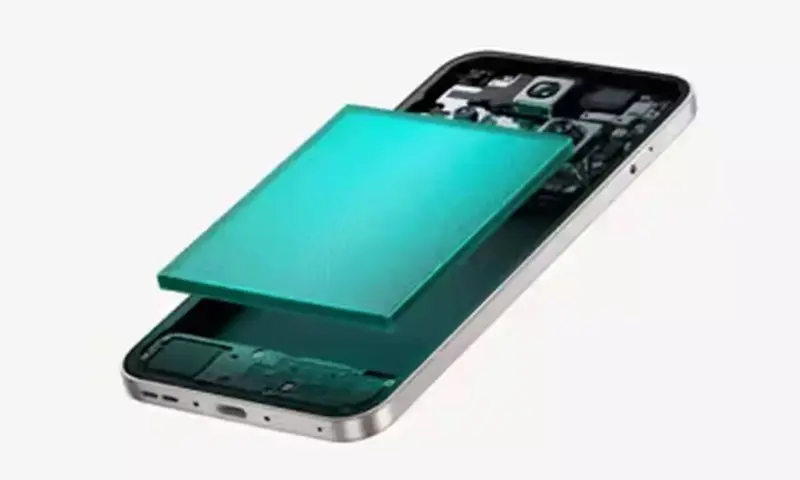

A major shift in smartphone design could be on the horizon, as new European Union regulations are set to make batteries easier to remove and replace starting in 2027. For years, most smartphones and tablets have been built with sealed designs, where batteries are glued in place and difficult for users to access.
This trend, however, may soon reverse.
Under the EU's updated battery regulation, a wide range of devices-including smartphones, tablets, and cordless phones-must be designed so that their batteries can be safely removed and replaced. The rule will come into effect on February 18, 2027, and is expected to push manufacturers toward more repair-friendly designs after over a decade of prioritizing slim, sealed hardware.
At the heart of the regulation is a clear requirement: batteries must be both removable and replaceable without causing damage to the device or compromising safety. Users should be able to take out a battery and install a new one without affecting the device's performance.
Importantly, the process must be accessible to everyday users. The rules specify that an "end user" refers to an adult without specialized technical training, meaning battery replacement should not require expert knowledge. Consumers should be able to carry out the process using common tools-or no tools at all. If any specialized tools are required, manufacturers must provide them free of charge, preventing companies from locking repairs behind proprietary systems.
That said, the new standards do not necessarily mean a return to the simple, snap-off back covers seen in older feature phones. Modern devices may still require some level of effort to open, but the process should remain straightforward and safe for non-experts.
The regulation also outlines provisions for other categories, such as batteries used in light means of transport (LMT). In such cases, replacements may be handled by independent professionals, but manufacturers must ensure that any necessary tools are available at fair and non-discriminatory prices.
Beyond repairability, the regulation takes a broader approach to battery management. It includes measures to improve the safe handling, disposal, and recycling of batteries. By ensuring that used batteries are properly collected and treated, the EU aims to reduce environmental waste and promote a more sustainable lifecycle for electronic devices.
Although the regulation applies specifically within the European Union, its impact is expected to extend far beyond the region. Global manufacturers typically prefer unified designs rather than producing separate versions for different markets. As a result, devices built to comply with EU rules are often sold worldwide.
A similar trend was observed with the adoption of USB-C charging ports. After the EU mandated the standard, companies began implementing it globally, with other regions, including India, following suit. The same pattern could emerge with removable batteries.
If that happens, consumers in countries like India may also benefit from devices that are easier to repair, longer-lasting, and less dependent on authorized service centers.
Overall, the EU's battery regulation signals more than just a technical adjustment-it represents a shift toward sustainability, user empowerment, and longer device lifespans in the global electronics industry.