




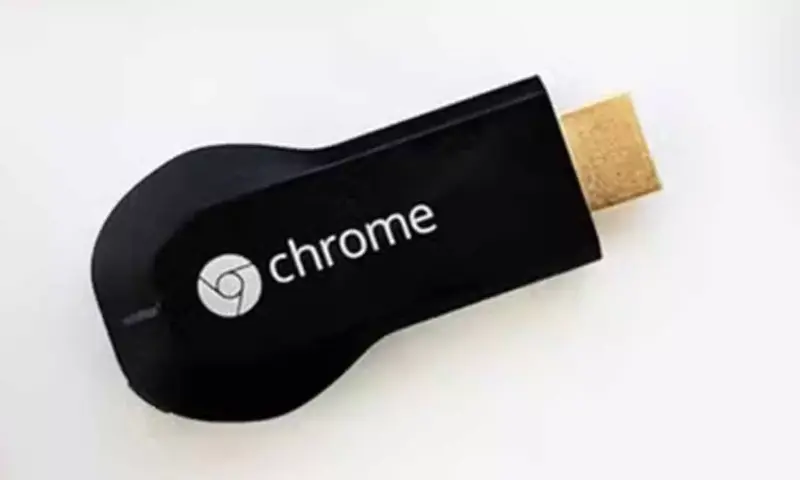

Google has resolved a temporary issue that disrupted casting functionality on first-generation Chromecast devices, easing concerns among users who feared the company had intentionally disabled the ageing hardware to push upgrades.
The issue surfaced last week when several users reported that their original Chromecast devices suddenly stopped working across popular apps such as YouTube, Chrome, and Paramount+. According to reports shared on Reddit and highlighted by Ars Technica, affected users were unable to cast audio or video content despite the devices functioning normally just hours earlier.
The unexpected outage quickly triggered speculation online, with many users suspecting that Google had remotely "bricked" the decade-old streaming dongles to encourage customers to purchase newer Chromecast models. The first-generation Chromecast, originally introduced in 2013, officially stopped receiving software support in 2023. Despite this, the device continues to remain popular in many homes because of its affordable and simple plug-and-cast experience.
As complaints spread across social media and online forums, Google stepped in to clarify the situation. According to Ars Technica, Google Home senior product manager Sahana Mysore confirmed that the disruption was caused by a technical issue rather than a deliberate shutdown of older hardware.
Google stated that the problem temporarily affected casting support for some first-generation Chromecast users earlier in the week. The company also confirmed that engineers had identified the root cause and implemented a fix to restore normal functionality.
Following the announcement, several users reported that their Chromecast devices had started working again without requiring replacement hardware or manual intervention. Google further reassured users that the outage was unrelated to the discontinuation of software support for the first-generation Chromecast lineup.
The incident once again highlighted growing consumer concerns around the lifespan of smart devices and fears of forced obsolescence in the technology industry. As more connected devices depend on cloud-based services and server-side support, users are becoming increasingly sensitive to sudden disruptions that could render older hardware unusable.
Meanwhile, separate reports suggest that Apple may soon expand support for third-party streaming technologies in its ecosystem. According to Bloomberg's Mark Gurman, Apple's upcoming iOS 27 update could introduce deeper system-level support for alternatives like Google Cast alongside the company's own AirPlay technology.
If implemented, iPhone and iPad users may eventually be able to choose third-party casting services as their default streaming option for audio, video, and photo sharing. Such a move could reduce reliance on dedicated AirPlay-compatible devices, including smart TVs, speakers, and streaming hardware.
While Google's Chromecast issue appears to have been short-lived, the incident has reignited discussions about long-term device support, software dependency, and consumer trust in connected technology ecosystems.