




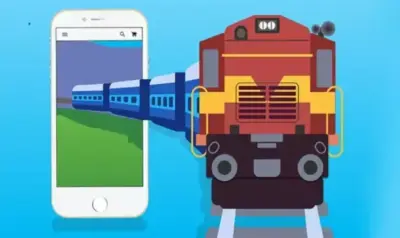

Booking train tickets in India has changed a lot over the years, but the core choice still comes down to using the official platform or going through an alternative app.
Most people are familiar with IRCTC ticket booking, yet many have slowly shifted to third-party websites because they feel simpler or faster. This shift has created a situation where users often wonder which option actually works better, especially when plans change and cancellations come into play.
According to data shared with the help of Indian Railways Catering and Tourism Corporation, lakhs of tickets are booked daily through its platform, which forms the backbone of railway bookings in India It can, however, point out that the real difference is in rules, flexibility, and how cancellations are handled.
Understanding the Basics of IRCTC Booking Rules
When you e book through IRCTC all at once, you are basically interacting with the railway system itself. The rules are authentic as they come directly from the Indian Railways. Seat availability, ticket calculation, instant quotas and waiting lists all observe a set structure that does not vary depending on the platform.
For some customers, what makes IRCTC hardly complicated is the interface and the speed at which bookings are made, especially in the order of altitude hours. The gadget expects users to work quickly, fill in information without delay, and complete bills within a limited time. But once a price tag is established, clarity in the rules is certainly one of its greatest strengths, and there is little or no room for confusion later.
How Third-Party Websites Simplify Booking
Third-party platforms like Goibibo are trying to bridge the distance between complexity and value. They don't sort Central Railroad's rules, but they give them in an extra customer-friendly way. Searching for trains, filtering options, or even selecting seats feels much more intuitive.
These platforms also trade user information, keeping options in mind, reducing repetitive steps, which can be a noticeable difference for frequent travelers. Payment options are also generally comprehensive, and tend to feel less rushed compared to IRCTC's extra awkward waft in the process.
However, it is essential not to forget that when the interface changes, the backend still depends on the IRCTC system. So, any barriers to long-term availability or ordering conditions remain the same.
Cancellation Rules on IRCTC
Cancellation through IRCTC actually follows the described structure. Refund limits depend on how far in advance you cancel and the price ticket you booked. Confirmed tickets, RAC, and waitlist all have specific refund terms, and the closer you get to the departure time, the higher the cancellation fee
One part that IRCTC handles beautifully is transparency. You understand exactly how much you will lose or lose, and the reimbursement timeline is usually predictable. For e-tickets, the cancellation process is completely on-line, eliminating the need for a physical visit.
However, the equipment does not provide much flexibility beyond the described rules. When the card is made, the possibilities are controlled, and depending on the case, both refunds are significantly reduced or no longer allowed.
Cancellation Experience on Third-Party Platforms
Third-party platforms build on IRCTC's cancellation framework but add an extra layer of convenience. For example, some platforms allow you to cancel directly from their app with fewer steps, and they often present refund details more clearly before you confirm the cancellation.
Around this stage, many users also rely on PNR status check features integrated into these apps, which help them track their ticket status without switching platforms. This small addition makes a difference, especially when dealing with waitlisted or RAC tickets.
Some third-party websites also offer add-ons like cancellation protection or instant refunds, which are not part of IRCTC's native system. These features can reduce financial risk, but they usually come at an extra cost, which users should consider before opting in.
Refund Timelines and Processing Differences
The refund process is one area where customers often notice a difference. IRCTC processes the original mode of payment with a refund without delay, and while the timeline is consistent, it may take a few days depending on the bank from time to time.
Third-party systems, alternatively, each often offer faster refunds through their wallets or instant credit score systems. This may feel convenient, especially if you plan to rebook quickly. But the actual compensation from IRCTC happens in legacy anyway, which means the platform is basically upgrading the scale in the short term.
This layered approach can be helpful, but it's also the way you trust the reimbursement system of the third-party platform, now not just the railroad equipment.
Service Charges and Hidden Costs
One of the most important differences between IRCTC and third-party systems is the provider ratio. IRCTC continues to keep its charges low and straightforward, which attracts customers who simply identify the charged fare.
Third birthday party platforms may also have convenience costs, which can vary depending on the carrier. While these fees are often justified using the features introduced and simplicity of use, over the years they may be primarily aggregated with public orders .
Some users don't mind paying a little extra for a smoother experience, while others choose to connect with IRCTC for the cost-effectiveness. In reality it all comes down to what you value more - simplicity or financial savings.
User Experience and Practical Convenience
In practice, there is a significant difference in how platforms are used. IRCTC is reliable but can feel inflexible, especially all through over-calling for periods. The third celebration apps, together with Goibibo, take more into account to make the adventure smooth from start to finish.
Features like saved passenger lists, faster check-in options, clearance settings, etc. reduce the friction felt when you frequently e-book tickets. Even small things like reminder messages increase the overall enjoyment.
That said, customers who are regularly snapped at IRCTC's machine don't need replacement as the functionality of the center remains the same
Which Option Works Better in Real Life
There is no one-size-fits-all solution. If your priority is manipulation, clarity and minimum cost, IRCTC is hard to beat. It offers you access to get direct There is no middleman towards railroad gadget.
On the other hand, if you appreciate ease of use, quick navigation, and additional functions, 0.33-birthday celebration structures can make the technique experience less disruptive they are particularly useful for people who choose to manage e book tickets several or entirely from an app.
In real life situations, many users actually use both - IRCTC for direct booking and third birthday party platforms when they need convenience or extra help.
Conclusion
Both IRCTC and 0.33-birthday subscription schemes serve the same purpose but approach it in a different way. One specializes in scale and direct access rights, while the other emphasizes ease of use and additional features. The higher option depends on what is more important to you at that second, whether you are saving away some money or saving effort and time during the ordering process.