




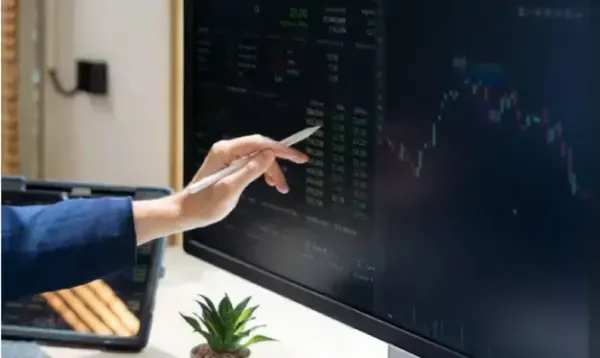

People do not just wake up one day. Say, "I am going to be a trader." Usually it starts with curiosity. You watch the markets listen to people talk about stocks or currencies see how quickly prices change and wonder "Could I do this too?
That is a question. Trading looks easy at first. It is not. What looks easy on the surface has a lot going on beneath the surface.
Trading is more than buying and selling orders. It is about knowing what to do in the market making decisions and understanding the role of risk in every move.
Before you start trading it is better to take a step. This means you will be working from a place of clarity and not assumption.
1. Know What Trading Is Really About
The biggest mistake people make is thinking that trading is just about guessing whether prices will go up or down.. It is not that easy.
The art of trading is to make decisions in a market that is always changing. Prices depend on things: economic data, market psychology, international events and even what investors think. The results are not always predictable even if you prepare well.
You are not trading you are reacting to a system that is always changing.
This is why it is so important to understand what trading is all about from the start. It helps you have the expectations and not think it is too simple.
2. Define Your Purpose Before You Begin
You may wonder why is purpose important soon
Because it sets the stage for what follows.
For some people trading is a way to get involved in the markets making short-term choices based on price action. For others it is a part of their overall financial plan.
Your strategy will determine how often you trade, which strategies you use and how you manage risk.
Without a defined purpose it is easy to jump from one idea to the next without consistency. With clarity your choices are more ordered and easier to follow.
3. Select a Trading Platform That Fits Your Requirements
After you understand some things, the next step is to choose a trading platform.
No two platforms are the same. Some are easier to use while others have advanced tools and features. The best platform is the one that meets your needs for ease of use, access to markets or analytical tools.
Most importantly the platform needs to be regulated. This provides structure and transparency making trading safer.
For those who trade in markets, such as gold trading online having access to multiple assets on one platform can help simplify the process.
4. Know the Basics Before Using Money
It is easy to want to start trading right away. Trading platforms are more accessible and making a trade is no longer difficult.. Accessibility is not a substitute for understanding.
So you should know the basics first how orders work, what different assets. How to read price changes before you risk real money. Even something simple like knowing what a market order is versus a limit order can make an impact in your trading.
Beginners often underestimate this step. Yet it often determines what happens next.
5. Understand Your Risk and Market Volatility
Let us be real. This is one of the important things and most people skip it.
The markets move. Sometimes they move slowly quickly. These moves do not always follow the plan.
Risk in trading is not about losing money; it is about how much uncertainty you want to handle. So we need to be aware of risks from the start.
For example, if you risk all your money on one trade you are increasing your exposure to market changes. If you spread your risk across multiple positions, you can reduce the impact of any one outcome.
You cannot get rid of risk.. Being knowledgeable enough to know when to act works in your favor.
6. Recognize the Value of Discipline
Something becomes clear after a trades: discipline is as important as knowledge.
You can understand the market. Still struggle if you are not consistent with your decisions. Acting on impulse responding to short-term changes or changing direction suddenly can have long-term consequences.
Discipline must be reflected in things, such as keeping track of your trades avoiding extra trades and not rushing into the next purchase without thinking it over.
It is not always easy especially when the markets are busy.. It is one of the things that separates systematic trading from reactive behavior.
7. Stay Updated Without Getting Overwhelmed
Information is everywhere. News updates, market comments, price alerts. It can feel like you need to keep up with it all.
The issue is, more information does not always lead to better decisions.
What matters is relevance. Knowing what information actually affects your trades is more useful than trying to keep up with every news item.
For instance, some markets are more sensitive to data than others. Depending on what you trade you may find that global events have more or less of an influence.
It is not about knowing everything. About determining what is important for your approach.
Final Thoughts
Starting a trading journey is not about getting everything from the beginning. It is about laying a foundation that will give you clarity as you navigate the market.
The factors we have mentioned here understanding the market establishing your purpose managing risks and keeping discipline do not guarantee outcomes. But they do influence how you trade overall.
In many cases that strategy is as important, as the trades themselves. Trading is a journey. It is better to take your time and do it right.