






Introduction
Caps have been for a long time more than a mere fashion statement. they've become symbol of self-expression and identity. What happens when you mix traditional design with modern technology?
It creates an interesting connection where function meets fashion especially in the field of machine-learning. Begin by looking at how caps have evolved to changing times and their distinct location within the ever-changing world of AI technology.
Caps in the Digital Era
Caps have come a long way since their humble origins as utilitarian accessories. Now they serve more as statements of style and identity than ever before in our digitally connected society.
As social media has proliferated, designer caps online have skyrocketed in popularity. Influencers showcase eye-catching designs that catch people's eyes and spark trends; what was once just headwear has now become an avenue of expression and artistic exploration.
Caps no longer only represent sports teams and events - luxury brands now often collaborate with streetwear designers to blend high fashion and casual wear for an eclectic style that showcases today's cultural desire for individuality and diversity.
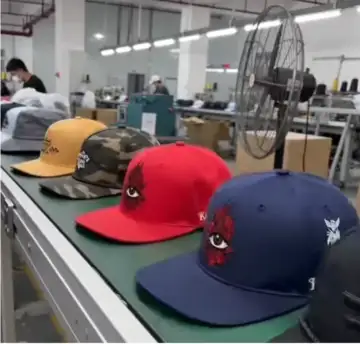
As technology progresses, so too do materials used in cap production. Eco-friendly fabrics and modern designs appeal to conscious consumers seeking sustainability without forgoing style. Caps continue to adapt in our ever-evolving world while remaining relevant across generations.
Understanding How Caps Are Utilized in Machine Learning
Caps serve an integral purpose in machine learning. They serve as an indispensable means of data annotation, essential for training algorithms. By labeling specific elements within datasets, caps assist computers in learning to recognize patterns and make predictions.
Caps can serve a useful purpose when used for computer vision tasks: they help tag images with specific categories or attributes effectively; for instance, one cap might indicate sports gear while the next might represent fashion accessories.

Caps are also extremely helpful during the model evaluation phase by helping visualize performance metrics, serving as clear indicators of success or failure rates by condensing complex information into simple formats that are easier to digest.
Natural Language Processing (NLP), similarly, employs caps to indicate parts of speech or sentiment markers within text datasets - providing a structured approach which enhances comprehension while gradually increasing algorithmic accuracy over time.
Consider Caps for AI
Caps play an invaluable role in AI. By improving clarity and organization, they make data processing smoother for machine learning models. When algorithms can easily recognize patterns, their efficiency skyrockets.
Caps provide an intuitive means of communication between humans and machines, with designers creating user-friendly and engaging interfaces using these visual cues as visual cues for AI to interpret information more precisely. This connection creates greater insight into AI's interpretation process.
Branding opportunities present themselves through designer caps online. Companies can utilize unique designs that resonate with tech-savvy consumers while showing their innovative spirit.
If you are looking for a trustworthy hat supplier ( AUNG Crown For Example)Branded caps play an invaluable role in marketing strategies by building user recognition and loyalty, while offering stylish options that stand out in a crowded market while providing advanced technological solutions via AI systems.
Challenges and Concerns in Allocating Caps for AI Systems
As machine learning advances, its application presents unique obstacles. Of particular note is data privacy - AI systems often rely on large volumes of user data in order to function optimally; yet this requirement could potentially violate users' rights and preferences.
Another issue involves bias in algorithms. If these systems are trained using datasets with unequal distributions, their output could perpetuate stereotypes or make incorrect predictions; developers must strive for balanced input in order to avoid these perils.
As more brands venture into digital commerce with designer caps online, distinguishing genuine from counterfeit items becomes ever harder.
Trust of users is essential. People need to feel assured that AI-driven systems using caps will prioritize their interests rather than exploiting them for profit or taking control over personal information. Addressing such concerns will be key as we navigate this tangled landscape.
Future Prospect of Caps in Machine Learning and Human Interaction
With emerging technology, caps play an increasingly integral part in machine learning. Imagine a future in which designer caps online integrate AI algorithms for enhanced user experiences - not simply accessories; smart wearables that learn our behavior!
Branded caps could soon serve as platforms for interaction between humans and machines. With embedded sensors to gather environmental conditions or personal preferences data, creating tailored applications in real-time.
Furthermore, aesthetics will marry seamlessly with functionality. Fashion forward designs may incorporate technology that responds to mood or context; pushing beyond mere clothing items.
Collaboration between designers and technologists will be absolutely key, leading to innovative solutions which strike an emotional chord while offering tangible advantages in our daily lives. Style meets intelligence for an interplay that offers boundless possibilities!
Conclusion
Machine learning and human style have always been interlinked; as technology develops so too do our perceptions and usage patterns of fashion items like caps. Digital revolution has dramatically changed these accessories' role; now seen more as statements than fashion statements!
Caps have emerged as powerful tools in machine learning, providing practical benefits while still holding cultural significance. Technology companies are merging tradition and modernity by selling designer caps online that appeal both to tech enthusiasts as well as fashion forward people.
However, the combination of elements presents unique challenges. We must address concerns over data privacy and ethical implications as we transition into this new era where branded caps may become part of an innovative technological dialogue.
Forward looking, the potential for innovation remains vast. Caps may soon play roles that go far beyond aesthetics into realms never imagined before - providing exciting possibilities for personal expression in our increasingly automated society.
As we navigate this changing environment, it's crucial that we consider how our choices--whether that includes donning trendy branded caps or engaging with advanced technologies--can impact both our identities and daily interactions.