
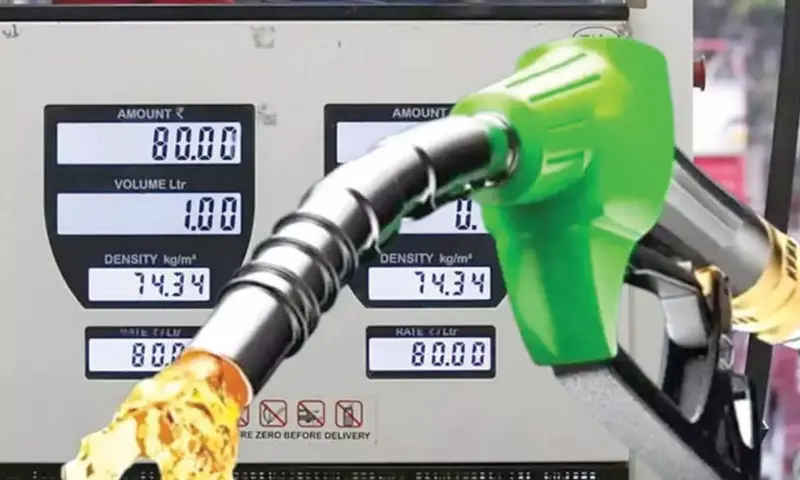

Imaginefilling your two-wheeler or car at the petrol pump. Last month, petrol cost less than Rs 100 per litre in many places. Today, it's nearly Rs 110 in some Indian states, and it might climb to Rs 120-130 soon if things don't calm down.
Why? Blame the war in the Middle East. The Strait of Hormuz - where 20 per cent of the world's oil passes through - is blocked or damaged. This sends oil prices sky-high, like a sudden storm hitting a calm sea. The latest global analyst reports explain this in simple terms: Higher oil means costlier fuel, food, and almost everything for ordinary Indians like you and me. Asia-Pacific (APAC) countries like ours suffer the most because we buy most of our oil from there. Let's break it down step by step, so you know what's coming and why it affects your daily life.
Why APAC Feels the Heat First
APAC nations - India, Japan, South Korea, Indonesia, Thailand - depend on Middle East oil for most of their energy needs. The analyst reports show clear charts: These countries import 80-90 per cent of their oil from the region. Now, think about this: Low-income and middle-income places like India use a lot of energy just to make one rupee of growth. Factories run on diesel generators, trucks carry goods on highways, and homes need cooking gas - all guzzle oil. Experts say a $10 rise in oil price cuts world GDP growth by 0.1 per cent. For us in India, it's even worse because our economy is more "energy-hungry" - we burn more fuel per job created or per meal cooked compared to richer nations.
Countries like Australia and Malaysia escape easier. Why? They sell natural gas (LNG) to the world and worry less about buying oil. But for India, every barrel price hike means more rupees flying out of our pockets and into foreign tankers. The crisis kicked off with the Hormuz Strait shutdown and damage to Iran's and Middle East nations oil factories. Brent oil - the global benchmark - jumped to $97+ per barrel. Global markets panicked: Stock prices in places like Japan, India, and China fell 8-12 per cent since late February. Bond costs - what governments and companies pay to borrow money - rose everywhere, with Japan hit the hardest because their factories need steady cheap energy.
Here's the ripple: The US dollar gets stronger as a "safe" currency during wars - people rush to it like hiding gold in a locker. Our rupee weakens against it, making imported oil even pricier in rupees. Central banks worldwide are selling US bonds to defend their currencies - holdings at the New York Fed are now at the lowest since 2012. Simple meaning for you: Borrowing gets costlier for everyone - from governments building roads to small shops taking loans. This slows new jobs, raises prices, and makes life tighter.
Inflation: Your Grocery Bill Goes Up
Just when APAC thought price rises were over after 2022, this crisis brings them roaring back. The global analyst reports updated their forecasts: India's inflation jumps from 3.4 per cent to 5.1 per cent in 2026. Australia goes from 2.7 per cent to 4.1 per cent, Japan from 2.2 per cent to 2.4 per cent and South Korea from 1.8 per cent to 2.7 per cent. Why so fast? Our weakening rupees - India, Thailand, and Philippines down the most this year - let oil costs pass straight to you at the pump and market.
Remember 2022? That oil spike made dal, rice, and veggies cost 20 per cent more because truck drivers paid higher diesel fares, and farmers spent more on pumps. It's happening again. Countries are cutting fuel taxes or giving subsidies to soften the blow, but it all adds up over time. Indonesia is expanding cash handouts to the poor, while South Korea and Thailand cap pump prices so people don't feel the full hit right away. Short-term help feels good, but long-term it means more government debt - and that's pain down the road.
Governments Borrow More: Future Tax Hikes?
To shield ordinary people, APAC governments roll out cash and price controls. But the global analyst report splits countries into risk groups, like a school report card:
•High Risk (Category 1):Japan, China, Thailand - these have big debts already, and now they're spending even more on subsidies, making things riskier.
•Watchlist (Category 2):India, Vietnam, Philippines - okay for now with some discipline, but trouble brews if the war drags on. Budget gaps (deficits) widen, and debts grow fast.
•Safe (Category 3):Australia, Singapore - low debt or even surpluses, so they handle shocks better.
India fits Category 2. Governments print money or borrow big for subsidies on fuel and food. It sounds good today - like free ration extra - but tomorrow's bill comes as higher taxes, fewer new roads or schools, or cuts in farmer aid.
India's Numbers: What It Means for FY27
GDP Growth Down:At 7.2 per cent, factories hire more, shops boom - your son/ daughter gets a job easier. Drop to 6.7 per cent? Slower hiring, small garment units in Tirupur cut shifts.
Inflation 4.5-4.7%:RBI's target is 2-6 per cent, so "okay" on paper. But with fuel and food, it feels like 7-8 per cent. Your fixed salary buys less milk or bus rides.
Trade Gap (CAD) 2.1%:We import way more oil, export less as the world slows. Rupee hits Rs 92-93 per dollar? Imported phones, gold, medicines cost 5-10 per cent more.
Bond Yields Up:Banks charge more for home/car loans (8-9 per cent now). Your Rs 50 lakh home EMI jumps Rs 2,000/month - tougher savings.
Fiscal hit:0.5 per cent of GDP from duty cuts and subsidies. The government borrows more - your future taxes pay the interest, like a family loan for a wedding.
Forecasts brighten if the war ends fast - say by June 2026. Analysts project FY27 GDP growth holding at 6.7 per cent, still making India the world's fastest-growing major economy, outpacing China's cautious 4.5-5 per cent target. Jobs in services and farms could add 1 crore more, exports hold steady, and inflation eases back to 4.5 per cent. But drag into late 2026? Growth slips below 6.5 per cent, rupee tests Rs 95-97/$, and NPAs in oil-sensitive MSME loans rise 1-2 per cent - hitting small lenders first.
Government and RBI's Playbook
If war ends by June (short crisis)? Just bumps - manageable pain. Prolonged? Much tougher choices ahead.
What They Must Do:
•Stockpile fuel wisely across India - no panic queues at pumps like 2022.
•Smart subsidies: Extra cash or ration for the poor, without bankrupting state budgets long-term.
•Excise cuts on petrol and diesel - but not forever, or debt explodes.
•Push local refineries in Jamnagar style, and electric vehicles for autos and bikes.
RBI's role:Hold repo at 6.25-6.5 per cent to anchor inflation (avoid cuts that weaken rupee further), inject Rs 2 lakh crore liquidity via repos if banks tighten loans. Push digital UPI for subsidy direct transfers - zero leakage, instant relief.
Hope Amid the Storm: India's Resilience and Road Ahead
India isn't helpless in this oil storm - our economy has built-in strengths that can blunt the blow if leaders play their cards right. Services exports, like IT software from Bengaluru and call centers in Gurugram, use far less oil than heavy factories churning steel or chemicals. These brainpower jobs - employing millions of young engineers - thrive on electricity and internet, not diesel trucks, so they keep growing even as fuel bills soar. Agriculture, the backbone for 45 per cent of our workforce, shows grit too: Good monsoon rains this year boost rice, wheat, and pulses, filling godowns and steadying food prices despite transport costs. Small kirana shops in every mohalla stay resilient - they pivot to local sourcing, cutting truck dependency. And our fortress-like foreign reserves, over $650 billion, cover a massive 11 months of all imports, giving the RBI firepower to defend the rupee and avoid a 1991-style currency crash.
The Middle East fire tests our national grit like never before. India's buffers - reserves, services edge, agri resilience - give a real fighting chance to limit FY27 scars to 0.5pp GDP loss. But victory demands bold action over mere forecasts: Energy independence by 2030, fiscal discipline at 3 per cent deficit, and your street-smart thrift. In this fire, families' dreams - jobs, homes, festivals - survive not by hope alone, but by resolve that turns crisis into opportunity, proving India's unbreakable spirit endures any global flame.
(The author is with the Cholleti BlackRobe Chambers, Hyderabad)