

The present function of eyewear extends beyond protection against sunlight because it serves as an essential component of fashion, comfort and lifestyle choices.
People now choose sunglasses based on style, usage, and the level of eye protection they offer. People commonly compare polarized and non-polarized lenses because they have multiple lens options to choose from. The two types of products will be examined in this article through their distinct features and functional benefits which will help you select the most suitable product for your everyday activities and personal fashion.
Understanding Light Protection in Everyday Life
Upon contact with surfaces such as glass, roads, or water, sunlight produces intense reflections. These bright spots may cause discomfort; in certain cases they pose risks during outdoor activities or driving. For this reason, various lens solutions emerged gradually through innovation aimed at enhancing clarity and protection under strong light.
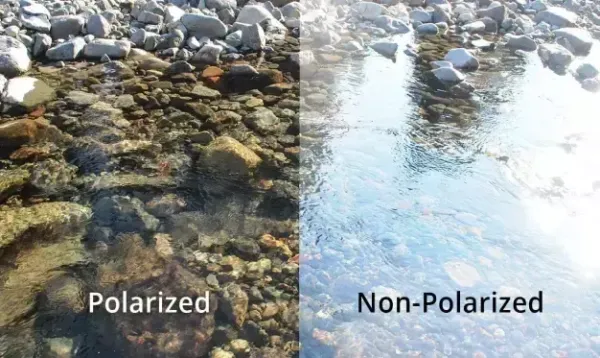
Polarized Sunglasses stand among the leading options here, built to limit glare while enhancing visual sharpness. With a unique internal layer, they stop harsh reflections from surfaces, allowing clearer sight when sunlight is strong. Their design targets discomfort caused by bouncing light, offering steadier vision where brightness would otherwise interfere.
How Polarized Lenses Work
Polarized lenses use a special chemical film which blocks horizontal light waves. Light normally reflects in all directions but flat surfaces such as water and roads create concentrated light which results in glare. The polarized filter blocks this intense reflected light while still allowing useful light to pass through. Your eyes experience reduced strain because colors become more natural and clear. This technology proves especially beneficial for driving, fishing, hiking, and all outdoor activities which involve strong reflections.
Features of Non-Polarized Lenses
Without the added filter, these lenses block UV light and bright sun just like others. Yet reducing reflected shine does not happen through their material. That difference tends to lower production expenses. As a result, shops stock them more freely in style-focused designs. Some wearers select them simply for daily moments when reflections cause little trouble. Visibility on displays stays clearer with this type too, phones and monitors remain easier to see without odd shading or dimming that may come with polarization effects.
Everyday Use and Style Impact
Sunglasses serve two functions in everyday use because they shield your eyes while they improve your total appearance. Sunglasses serve as a fashion accessory that enhances your appearance whether you walk through city streets or visit the beach or wear casual clothing. Fashion designers create polarized and non-polarized sunglasses in multiple design options which include different shapes and color variations. The choice often depends on personal preference because of the technical characteristics which must be evaluated. Many people even own both types, using them in different situations depending on their needs.
Comfort and Eye Health Differences
One of the biggest advantages of polarized lenses is reduced eye strain. The lenses help reduce bright reflections which makes it easier for your eyes to see clearly in bright conditions. This can lead to greater comfort during long outdoor exposure. Non-polarized lenses protect against UV rays which help maintain long-term eye health but they fail to provide equal visual comfort during extremely bright conditions. For people who spend a lot of time outdoors, this difference can be quite noticeable.
Cost and Accessibility Comparison
The two options require evaluation of their price because it serves as a crucial decision factor. The production of polarized lenses incurs higher costs because manufacturers must use advanced technologies and additional processes for their creation. Many users consider the value of their investment to be justified because they receive improved comfort and visual understanding. In contrast, non-polarized models tend to be easier on the wallet and found almost everywhere. Owning several pairs becomes realistic when each doesn't demand much cash upfront. For anyone eager to match shades with outfits or moods, that flexibility hits right.
Which One Should You Choose?
Your choice between polarized and non-polarized sunglasses needs to be based on your personal lifestyle requirements. The outdoor activities you participate in, your driving habits, your fishing, and hiking activities will benefit from using polarized lenses which improve your comfort and visual acuity. The non-polarized sunglasses work better for you because you want to use them for temporary sun protection, fashion purposes and daily casual use. The two types of products deliver effective results according to your specific usage needs.
Final Thoughts
The strengths and limitations of polarized and non-polarized sunglasses exist as separate qualities for both types of eyewear. The outdoor environment together with high-brightness conditions require polarized lenses because they provide maximum glare reduction and enhanced visual comfort for users. Non-polarized lenses, in contrast, provide an economical and fashionable option which people can wear as their daily fashion choice. Many people actually benefit from owning both types, using each one in different situations. The best sunglasses for your needs must provide comfort together with protection while matching your personal style throughout your daily activities.