




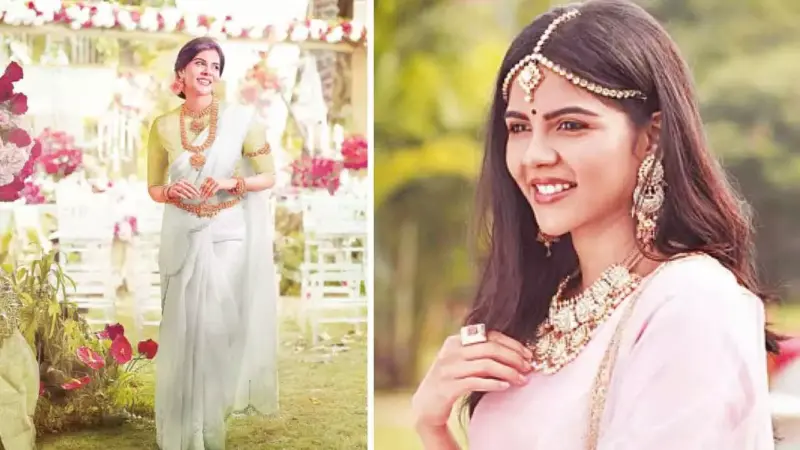

South Indian bridal jewellery, particularly temple-inspired gold craftsmanship, is no longer confined to regional ceremonies. What once flourished under the patronage of the Cholas and Pandyas between the 9th and 16th centuries has today evolved into one of the most desirable bridal categories across India.
Historically rooted in temple traditions where deities were adorned with intricately handcrafted gold ornaments, and reflected in classical dance forms such as Bharatanatyam, temple jewellery carries deep spiritual and aesthetic significance. What is especially noteworthy today is not only its continuity, but its geographic expansion.
Over the past few years, we have observed a steady rise in demand for temple-inspired bridal jewellery beyond the Southern states. Markets that were traditionally associated with Polki, Kundan and Meenakari bridal aesthetics, are increasingly embracing heritage South Indian designs. Brides are no longer curating trousseaus based purely on regional identity. Instead, they are building collections that reflect a broader Indian luxury vocabulary anchored in craftsmanship and cultural depth.
The appeal lies in both artistry and symbolism. Temple jewellery is defined by intricate handcrafting, embossing gold sheets over wax bases, detailed Nakashi or Nagas engravings, and embellishment with rubies, emeralds, pearls and kemp stones. Motifs such as peacocks, lotus flowers, swans and hooded serpents continue to define its design language. While historically crafted in silver with gold leaf finishing, contemporary temple jewellery is predominantly executed in solid gold, aligning with evolving consumer preferences while preserving traditional aesthetics.
A significant driver of this pan-India shift is celebrity influence. When leading actors like Rashmika Mandanna embraced heritage gold and temple-inspired jewellery for her wedding celebrations, it reaffirmed the timeless power of South Indian aesthetics. Her choice of traditional motifs, layered gold necklaces and statement temple chokers highlighted how cultural jewellery can feel both rooted and relevant.
Similarly, Vijay Deverakonda complemented the narrative by opting for classic South Indian styling, reinforcing the idea that heritage jewellery is not just a bridal accessory but part of a larger cultural expression. Together, their wedding celebrations showcased how temple jewellery is no longer restricted by geography. It is aspirational, cinematic and nationally admired.
At the same time, we are witnessing increased cross-regional styling among brides. Temple necklaces are being paired with Polki from Rajasthan, Nagas-inspired designs from Karnataka and studded styles popular in Andhra Pradesh. This blending of traditions signals a structural evolution in the bridal jewellery market, where heritage aesthetics are being integrated into a pan-Indian bridal identity.
Importantly, while design philosophies remain faithful to tradition, the industry has evolved in terms of transparency, quality assurance and consumer awareness. Today's bride seeks not only visual grandeur, but also authenticity, craftsmanship and long-term value.
With celebrities leading the way and brides seeking deeper meaning in what they wear, temple jewellery has transformed from a regional heirloom into a national bridal statement rooted in legacy, craftsmanship and identity.
(The writer is an executive director, Kalyan Jewellers)