
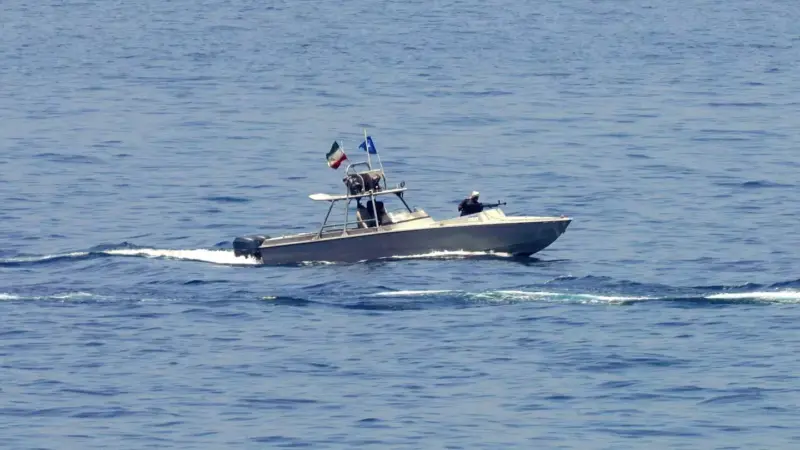

The recent failure of a Chinese-owned ship to bypass a newly imposed naval barrier has significantly escalated Hormuz Strait tensions.
After the failed peace negotiations between Washington and Tehran, the American administration has announced strict restrictions on boats accessing Iranian ports.As a result the Rich Starry, a known US blockade tanker, was pushed to turn around and re-enter the crucial waterway after attempting an exit from the Gulf. During the initial twenty-four hours of this operation, military forces ensured no crafts breached the restricted area, instructing several fleets to return to their origin.
This impasse shows severe maritime security issues disturbing the region.The targeted transport was previously penalized under oil tanker sanctions for illegal trading as it carried substantial methanol. Furthermore, naval destroyers stopped other freighters trying to leave the Gulf of Oman. This move shows strict enforcement of these fresh rules. Another blacklisted carrier is currently navigating towards Iraq, adding complexity to an already volatile environment.
Such aggressive maneuvers have triggered a profound Middle East shipping crisis. Daily traffic who used to pass through this passage has dropped dramatically since conflicts erupted earlier this year. Shippers, energy companies, and insurance providers are facing unprecedented uncertainty.This bottleneck is definitely leading to widespread global oil trade disruption, as restricted movement prevents smooth fuel transportation. According to the experts, If the impasse continues, there's a high chance of an imminent crude oil supply risk, potentially driving up costs worldwide while threatening economic stability. For observers tracking international affairs, these unfolding events highlights a fragile balance of power regarding commerce in one of our planet's most critical nautical chokepoints.