
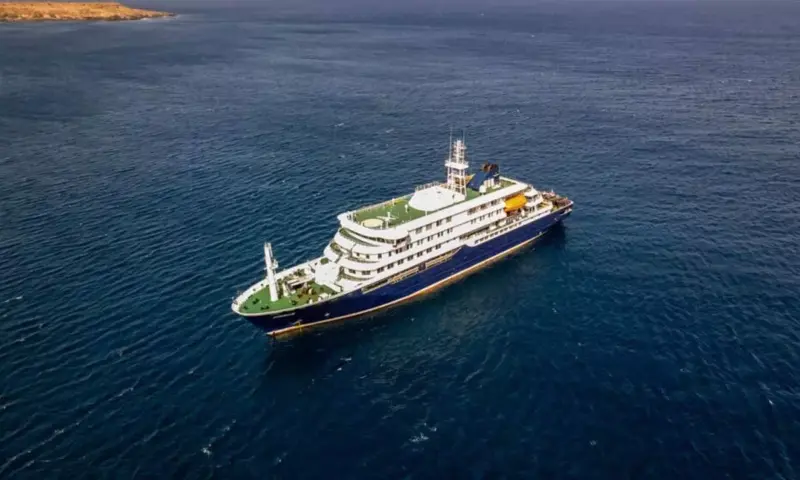

As of May 8, 2026, a significant health alert has been issued following an outbreak of the deadly Andes strain of hantavirus aboard the luxury expedition cruise ship, MV Hondius.
The situation, which began during an Antarctic voyage, has triggered international concern due to the virus's high fatality rate and rare potential for human-to-human transmission.
Here is a comprehensive breakdown of the outbreak, the nature of the virus, and the current global response.
The MV Hondius, operated by Dutch company Oceanwide Expeditions, departed from Ushuaia, Argentina, on April 1, 2026, with 149 passengers and crew from 23 different countries.
* The Source: Health investigators believe the virus was introduced during a birdwatching tour in Ushuaia before departure. A Dutch couple is thought to have inhaled microscopic particles from infected rodent droppings on the ground.
* The Timeline: The first symptoms appeared on April 6. By April 11, the first passenger died on board. The virus continued to spread as the ship traveled through remote locations, including the Falkland Islands and St. Helena.
* Current Status: As of today, the ship is in Cape Verdean territorial waters.
* Confirmed Cases: 6
* Suspected Cases: 9
* Total Deaths: 3 (Including a Dutch couple and a German national).
Among the crew are two Indian nationals whose health status is currently being monitored.
What is Hantavirus?
Hantaviruses are a family of viruses spread mainly by rodents. While most hantaviruses are only caught through direct contact with animals, the Andes strain identified in this outbreak is unique.
1. Transmission
* Rodent-to-Human: The primary method of infection is inhaling "aerosolized" virus particles from the urine, saliva, or droppings of infected mice and rats.
* Human-to-Human: This is the most alarming aspect of the MV Hondius outbreak. The Andes strain is the only known hantavirus capable of spreading between people, typically through close contact or shared living spaces (like cruise ship cabins).
2. Symptoms
The disease often starts with "flu-like" symptoms, making it difficult to diagnose early.
* Early Stages: Fever, severe muscle aches (especially in the thighs, hips, and back), fatigue, and headaches.
* Late Stages: Four to ten days later, the "pulmonary stage" begins. This includes coughing and severe shortness of breath as the lungs fill with fluid. This is known as Hantavirus Pulmonary Syndrome (HPS).
3. Mortality Rate
Hantavirus is far more lethal than COVID-19. HPS has a mortality rate of approximately 35% to 40%.
Global Response and Precautions
The World Health Organization (WHO) and the ECDC (European Centre for Disease Prevention and Control) are currently tracking passengers who disembarked at various ports to prevent further spread.
Registered Cases Globally (Linked to the Ship)
Infected passengers have been hospitalized in:
* South Africa
* The Netherlands
* Germany
* Switzerland
The UK Health Security Agency and US authorities are also monitoring possible exposures among their citizens who were on board.
Is This the Next Pandemic?
Experts say no. Unlike COVID-19, hantavirus is not easily airborne over long distances. Transmission requires very close, prolonged contact. The WHO currently considers the global risk to be "low," though they remain on high alert due to the Andes strain's behavior.
Precautions for Travelers
* Rodent Control: Avoid areas with active rodent infestations, especially in endemic regions like South America.
* Ventilation: If entering a shed or cabin that has been closed for a long time, ventilate it for at least 30 minutes before entering.
* Disinfection: Do not sweep or vacuum rodent droppings (this kicks the virus into the air). Instead, spray the area with a bleach solution and wipe it up while wearing gloves and a mask.
Note :
While the mortality rate is high, the outbreak is currently contained to those with direct links to the MV Hondius voyage. Health authorities advise staying alert to symptoms if you have recently traveled to southern Argentina or Chile, but emphasize there is no need for general panic.