




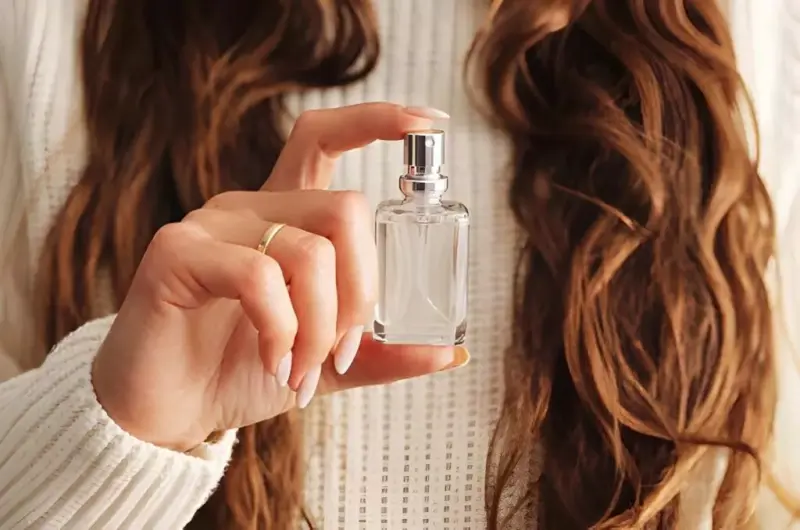

When air gets inside a bottle, it reacts with the oils, and in niche fragrances, which lean heavily on natural ingredients, the damage happens faster than most people expect.
The real culprit isn't just air exposure in general. It's cheap plastic.
Most low-grade plastic decant vials look solid, but they're microscopically porous. Oxygen seeps in slowly, killing the bright top notes first.
Then there's a second problem: alcohol in perfume can actually dissolve trace amounts of the plastic itself, which is how you end up with a $300 bottle of Creed smelling vaguely of burnt rubber after two weeks rattling around in your gym bag.
Why plastic is a particularly bad choice for anything expensive
Two things happen simultaneously when you store fine fragrance in a cheap plastic sprayer.
Air leaks in and spoils the citrus, green, and floral notes. At the same time, the scent molecules and some of the alcohol find their way out through the same porous walls.
Niche fragrances with high concentrations of natural oils - bergamot, neroli, anything with a significant botanical base can noticeably degrade in as little as 15 days in a non-airtight container.
Fifteen days is not long. That's one work trip, one vacation, barely a month of pocket carry.
What quality travel atomizers actually do differently
Good mini travel perfumes are built around one core idea: no air in, no scent out. The better ones are made of glass or metal-lined chambers with vacuum seals.
The material doesn't react with fragrance chemicals.
What you're actually getting:
Feature | Cheap Plastic Decant | Quality Travel Atomizer |
Material | Low-grade plastic | Glass or metal-clad |
Seal | Leaks air | Vacuum-sealed |
Scent Life | 2-4 weeks | 12-24 months |
Risk | Chemical leaching | None |
How to tell if your perfume has already gone bad
You don't need lab equipment. When clear perfume starts turning yellow or orange, it means oxygen has already gotten to it and broken down the formula.
You can also tell it's past its prime if that first spray smells sour, sharp, or like nail polish remover. That is a dead giveaway that the top notes are gone.
Another red flag is how it feels on your skin. If the liquid leaves behind a thick, sticky film instead of drying down clean, the oils have officially degraded.
Oxidized perfume is easily detectable by smell.
The transfer method matters more than most people realize. Pouring perfume directly from the original bottle exposes the liquid to open air. Use a funnel or a direct-transfer pump instead; this keeps the process relatively sealed.
Beyond that: glass over plastic, always. Look for atomizers with a metal sleeve if possible, since light accelerates breakdown almost as reliably as air does.
Keep the spray away from body heat and out of hot cars. A cool, dark bag pocket is ideal.
Size is also worth thinking about. Smaller 5ml or 10ml formats are smarter than larger ones, not just for travel regulations, but also because you're more likely to use the juice before any degradation sets in.
The actual financial case for spending more upfront
A 5ml decant of something like Parfums de Marly runs roughly $15-30, depending on the fragrance.
If that liquid spoils in a $1 plastic vial after two weeks, the math doesn't work in your favor.
A decent glass atomizer costs more upfront, sometimes considerably more, but it keeps your fragrance stable for a year or two rather than a few weeks. It is for storage, not only for ease.
The checklist that is required to get checked
- Avoid bare plastic and use glass or metal-lined only.
- Check if you can smell the fragrance through the closed cap.
- Use a smaller bottle (5ml or 10ml).
- Check any vials in your bag now. If the liquid has yellowed, toss it.