




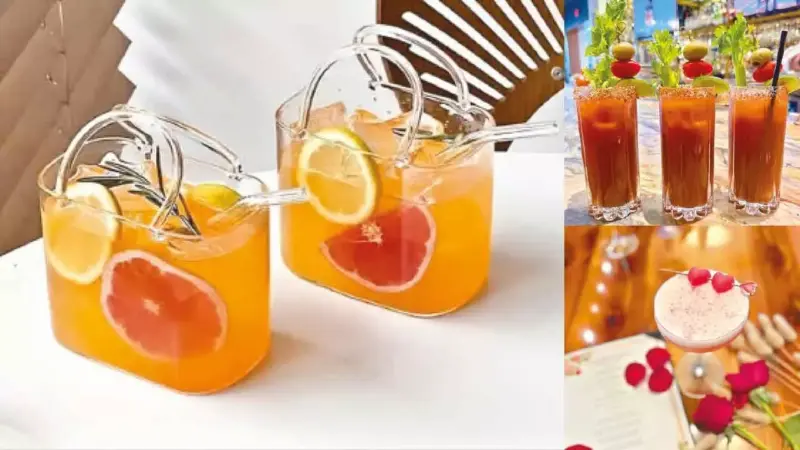

The global food and beverage industry is witnessing a major transformation, where consumer preferences are rapidly shifting toward healthier and more experience-driven dining choices.
Among the most notable trends is the rising popularity of mocktails in restaurants and luxury hotels. Once considered simple non-alcoholic alternatives, mocktails have now evolved into premium beverage experiences that combine creativity, wellness, and sophistication.
Today's consumers are increasingly looking for beverages that offer flavour, presentation, and social appeal without the effects of alcohol. This shift has encouraged restaurants, bars, and luxury hospitality brands to invest heavily in innovative mocktail menus that cater to modern lifestyles and evolving guest expectations.
The Evolution of Mocktails in Hospitality
In earlier years, mocktails were often limited to a few sugary drinks served mainly to non-drinkers. However, the beverage landscape has changed dramatically. Modern mocktails now feature handcrafted ingredients, exotic fruits, fresh herbs, artisanal syrups, botanical infusions, and advanced mixology techniques.
Luxury hotels and fine dining restaurants are treating mocktails with the same attention and creativity traditionally reserved for cocktails. From smoked presentations to molecular gastronomy-inspired drinks, mocktails have become an integral part of premium dining experiences.
This transformation reflects a larger industry trend where beverage programs are focusing not only on taste but also on storytelling, wellness, and visual appeal.
Health and Wellness Driving Consumer Choices
One of the biggest reasons behind the growing demand for mocktails is the increasing focus on health and wellness. Consumers today are becoming more mindful about alcohol consumption and are actively seeking healthier alternatives.
Many guests now prefer low-sugar, natural, and functional beverages that align with fitness goals and balanced lifestyles. Mocktails made with fresh juices, herbal infusions, kombucha, coconut water, and superfoods are gaining strong popularity among health-conscious diners.
The younger generation, particularly Millennials and Gen Z consumers, are playing a major role in this shift. They are prioritising mindful drinking and social experiences that do not necessarily revolve around alcohol.
Mocktails as a Premium Dining Experience
Luxury hospitality brands are increasingly recognising that mocktails are no longer secondary menu options. In many upscale restaurants and hotels, signature mocktails are becoming key highlights of the beverage program.
Presentation plays a major role in enhancing the mocktail experience. Elegant glassware, edible flowers, dehydrated fruits, smoke effects, and customised garnishes create visually appealing drinks that elevate the overall dining atmosphere.
Social media has further amplified this trend. Guests are drawn toward beverages that are visually attractive and share-worthy, making mocktails an important element in customer engagement and brand visibility.
Revenue Opportunities for Restaurants and Hotels
The rising popularity of mocktails is also creating strong business opportunities for the hospitality industry. Premium mocktails often deliver higher profit margins due to lower ingredient costs compared to alcoholic beverages.
Restaurants and hotels are now curating dedicated zero-proof beverage menus, allowing them to attract a broader customer base including families, wellness-focused consumers, corporate guests, and younger audiences.
Seasonal mocktail menus, beverage pairings, and experiential drink concepts are helping hospitality brands increase customer spending while offering inclusive beverage experiences for all guests.
Additionally, mocktails provide restaurants with opportunities for menu innovation and differentiation in a highly competitive market.
Creativity and Innovation in Mixology
The modern mocktail movement has encouraged bartenders and mixologists to push creative boundaries. Beverage professionals are experimenting with unique flavour combinations, fermentation techniques, infused syrups, and global ingredients to create memorable drinks.
Ingredients such as basil, rosemary, activated charcoal, saffron, passion fruit, elderflower, and yuzu are now commonly featured in premium mocktail menus. This innovation allows restaurants to offer sophisticated beverage experiences without relying on alcohol.
Interactive mocktail experiences, including tableside preparation and customised beverages, are also becoming popular in luxury hospitality settings.
Sustainability and Conscious Consumption
Sustainability is another important factor influencing mocktail culture. Many restaurants are using locally sourced ingredients, seasonal fruits, and zero-waste beverage practices to align with environmentally conscious dining trends.
Fresh produce, reusable garnishes, house-made syrups, and reduced packaging waste contribute to more sustainable beverage operations. Consumers today appreciate brands that combine quality with responsible practices.
This growing connection between wellness, sustainability, and hospitality is shaping the future of beverage programs across the industry.
The Future of Mocktails in Hospitality
The demand for mocktails is expected to continue growing as consumers increasingly seek healthier, more inclusive, and experience-driven dining options. Restaurants and luxury hotels that invest in innovative non-alcoholic beverage programs will be better positioned to meet changing market expectations.
The future will likely see the rise of functional beverages, alcohol-free spirits, wellness-focused ingredients, and immersive beverage experiences that blur the line between traditional cocktails and premium mocktails.
In today's evolving hospitality landscape, mocktails are no longer viewed as simple substitutes for alcoholic drinks. They have become symbols of creativity, modern lifestyle choices, and premium dining culture. For restaurants and luxury hotels, embracing this trend is not only about meeting customer demand but also about creating memorable guest experiences and unlocking new business opportunities.
(The writer is a Director of Beverages at Kiran's, Houston)