




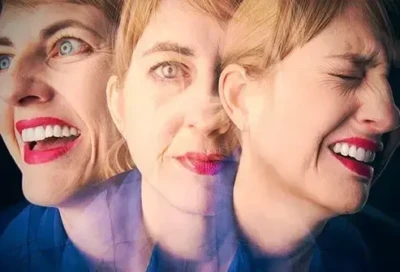

The disorder in which my muscles move without my control, and I can't control them. These movements may occur in different areas of my body.
For instance, my face may get dyskinesia, as may my tongue, arms or legs. I have been taking the Levodopa medicine to treat my Parkinson's for a while and sometimes I have Dyskinesia. The truth is, levodopa is beneficial for people who suffer from Parkinson's disease. Dyskinesia can also occur while I am taking medicines. Some people get Dyskinesia because they have Huntington's disease.
Huntington's disease is a health problem that you are born with. Dyskinesia can be caused by other illnesses which impact the functioning of the body. The treatment of Dyskinesia to improve it depends on the cause of my Dyskinesia. Treatment for my Dyskinesia varies from person to person since each one of our Dyskinesias is different. My Dyskinesia treatment is based on the cause of my Dyskinesia, so my doctor will treat my Dyskinesia based on what's causing my Dyskinesia.
What are the primary kinds of dyskinesia?
Dyskinesia is not a disease, it is a set of movement disorders that people suffer from. The common element in all of these movement disorders is that these occur when we do not control our dyskinesia movements. Because of dyskinesia we have movements. The common type of dyskinesia is levodopa-induced dyskinesia. A lot of people with Parkinson's disease have this type of dyskinesia. In fact, 40- to 50-percent of them suffer from dyskinesia issues such as this. Typically, dyskinesia begins after using the medication for a period of time (5 to 10 years).
The medication alleviates shaking, but as a result its use leads to dyskinesia movements. Sometimes, individuals experiencing dyskinesia might need to consult with a neurosurgeon to assist them in resolving their dyskinesia issues. They may need brain stimulation when the medicine does not help enough with their dyskinesia. Another form of dyskinesia typically occurs when individuals use medication, such as Risperidone, for months or years. Individuals with this type of dyskinesia make actions such as smacking their lips as a result of dyskinesia. Sticks tongue out due to dyskinesia movements.
They repeatedly make faces due to dyskinesia. Dyskinesia may occur as part of some other issue, such as Wilson's disease or Huntington's disease. There's another form of dyskinesia that isn't as prevalent. It happens suddenly. Can be triggered by things such as movement, stress or consuming caffeine. This is also known as dyskinesia or paroxysmal dyskinesia.
What causes dyskinesia?
It's typically caused by medication. Levodopa can cause sudden surges and declines in dopamine levels in the brain and when dopamine levels are too high, it may trigger movements.
Antipsychotics have a different action, they block the dopamine receptor. The receptors over time become overly sensitive, causing tardive dyskinesia. A neurologist can determine which medicine is causing the issue by reviewing the history of doses, reviewing medicines and checking movements. Besides medication, dyskinesia can be caused by disorders that affect the part of the brain that controls movement, such as:
- Huntington's disease
- Wilson's disease
- Some mitochondrial disorders
Other causes include:
- Stroke
- Brain injury
- Brain tumours
- Brain or spinal cord infection
Other anti-nausea drugs such as metoclopramide have the potential of causing dyskinesia when used over an extended period of time.
What are the symptoms of dyskinesia?
The symptoms of this condition are quite dependent on the type that you are dealing with. What areas of your body are involved? For instance, if during Chorea, you experience movements in your limbs and in your face that you cannot control. Dystonia means that your body is in positions it cannot get out of. Athetosis is an odd movement, typically in your hands that appears as though you are writhing. Tics are involuntary movements that can't be prevented. A lot of people have a mix of these movements.
When you take Levodopa and get dyskinesia, the weird movements usually start an hour or two after you take the medicine. They become worse when your body is the most susceptible to the medicine. Then they get better when the medicine starts to wear off. Dyskinesia is typically most prominent in the face - your tongue rolls around, you purse your lips and chew over and over again. You may also make a tapping motion with your fingers at times. Rock your body. These can be very embarrassing to other people, and can make you very tired, in serious cases, they can even make it difficult to eat, talk and walk.
Types of dyskinesia at a glance
Type | Main cause | Typical symptoms | First-line treatment |
Levodopa-induced | Long-term PD medication | Chorea in limbs and trunk | Adjust levodopa, add amantadine |
Tardive dyskinesia | Antipsychotics, antiemetics | Lip smacking, tongue protrusion | VMAT2 inhibitors |
Huntington's chorea | Genetic | Chorea, cognitive decline | Tetrabenazine, supportive care |
Paroxysmal | Genetic or idiopathic | Episodic dystonia or chorea | Carbamazepine, trigger avoidance |
Wilson's disease | Genetic copper buildup | Tremor, dystonia, liver issues | Copper chelation |
What is the diagnosis of dyskinesia?
Symptoms of this condition depend upon the form that you have. What areas of your body do you feel impaired? For instance, Chorea is the condition in which the movements of the limbs and face are out of control and are like dancing. Dystonia is a condition in which the body remains in a particular position. Athetosis is a strange movement, typically of the hands, that appears to be similar to a person "writing". Tics are involuntary movements, similar to a muscle twitch. Many people have a combination of these movements.
If you start to experience dyskinesia (unusual movements) after taking Levodopa, these movements typically begin an hour or two after taking your medicine. They get worse when the medicine is at its strongest in your body. Then they get better when the medicine starts to wear off. If you have dyskinesia, your face is likely to move the most, you may roll your tongue, purse your lips and chew up and down repeatedly. Tap fingers occasionally. Rock your body. These can make you very self-conscious in front of others, very tired and in severe cases, difficult to eat, speak and walk.
What are the treatments for dyskinesia?
Treatment varies according to the cause.
The first step in the treatment of levodopa-induced dyskinesia is to decrease the levodopa dose, if possible. There are also other delayed-release forms of medicine that can be used. You can add amantadine. This is the medication that has been approved solely for this condition. However, if this fails, a special type of surgery called brain stimulation can be used. It targets areas of the brain called the nucleus or globus pallidus. This can be beneficial to some patients. The most helpful treatment for dyskinesia is to discontinue the use of any medication that may be causing the condition. If you are unable to give it up, you can try to switch to less addictive medication. There are medications available called VMAT2 inhibitors. Valbenazine and deutetrabenazine, for example. These are now the choice for treatment. They can really help within a week. Tetrabenazine is the usual drug administered for Huntington's chorea. Copper chelation is used to treat Wilson's disease. This aids in eliminating copper from the body. Botulinum toxin injections may help with dystonia that involves a particular group of muscles. Can be applied to eyelid, neck or hand muscles.
Is it possible to prevent dyskinesia?
Parkinson's disease is a condition that can cause some problems. Doctors will do their best to use the lowest dose of levodopa that will work. They also prefer to initiate dopamine agonists, particularly in younger patients with Parkinson's disease. They prefer a type of special medicine that gives the dose over a period of time. This helps to postpone the onset of dyskinesia that may be a problem for people with Parkinson's.
In the case of kinds of medicines, such as antipsychotics, physicians strive to use the lowest possible dosage that will do the job. They prefer to use any kind of antipsychotics as much as they can! They will follow up on a person's condition periodically to make sure they do not develop a condition called tardive dyskinesia. If they detect it early on, they can take action.
There are some kinds of dyskinesia that are passed down from family members. These kinds of dyskinesia cannot be prevented.. When you can tell someone's doctor about the problem early, they can begin to help the person feel better sooner. This is because they can begin to control the symptoms of Parkinson's. Living with Parkinson's is about alleviating the symptoms of Parkinson's - thereby helping to manage the issues that Parkinson's brings.
FAQs
Is dyskinesia permanent?
There are certain forms of dyskinesia which will resolve if you alter your medicine.
Others can be with you forever.
If you have dyskinesia, it can become permanent if doctors don't detect it early.
Dyskinesia, and Dystonia are the same thing?
No, they are not the same.
Dystonia is a form of dyskinesia in which the muscles become locked in one position.
All movements not under one's control are classified as dyskinesia.
Does dyskinesia worsen with time?
Yes, it can.
The symptoms of levodopa induced dyskinesia and dyskinesia associated with Huntington's disease may progress with time.
Tardive dyskinesia can also get worse if you do not get treatment.
Does stress make dyskinesia worse?
Yes, it does. Stress, being tired and drinking too much caffeine can make most types of dyskinesia worse.