





Is Your Pet Angry, Scared or Just Moody
When Behavior Feels Different

When Behavior Feels Different
You may notice your pet acting unusual at times.
They may avoid you, react suddenly, or seem less active. These changes are not random. They are signs of how your pet is feeling in that moment.
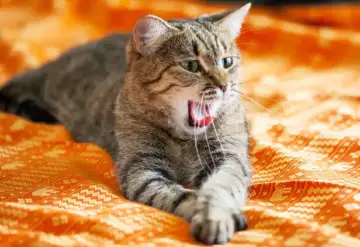
True anger is not very common, but it can happen when a pet feels threatened or disturbed.
Look for signs like:

Many times, what seems like anger is actually fear. A scared pet may act defensive to protect itself.
Common signs of fear include:
Signs of Anger in Pets
Signs of Anger in Pets
True anger is not very common, but it can happen when a pet feels threatened or disturbed.
Look for signs like:
- Growling or hissing
- Stiff body posture
- Showing teeth
- Sudden aggressive reaction
Fear Often Looks Like Anger
Fear Often Looks Like Anger
Many times, what seems like anger is actually fear. A scared pet may act defensive to protect itself.
Common signs of fear include:
- Trying to hide
- Ears pulled back
- Tail tucked in
- Avoiding eye contact
Just a Mood or a Bad Day
Just a Mood or a Bad Day
Pets can have mood changes just like humans. They may feel tired, bored, or less social on some days.
This can happen due to:
- Change in routine
- Lack of sleep
- Weather changes
- Low energy
Understanding Body Language

Understanding Body Language
Your pet's body language gives clear clues about how they feel.
Notice small details like:
- Tail movement
- Ear position
- Eye expression
- Overall posture
How You Should Respond

How You Should Respond
Your reaction can either calm your pet or make things worse.
- Stay calm and patient
- Do not shout or punish
- Give space if needed
- Encourage calm behavior
When to Take It Seriously
When to Take It Seriously
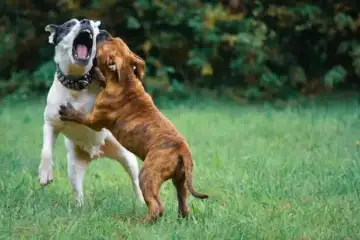
Some behavior changes need attention.
Watch out if:
- Aggression becomes frequent
- Your pet avoids you constantly
- Eating or activity levels change
- Behavior shifts suddenly
Understanding Builds a Better Bond

Understanding Builds a Better Bond
When you learn to read your pet's emotions, you build trust. Your pet feels understood and becomes more comfortable around you.
Your pet's behavior is their way of communicating. What looks like anger could be fear or just a temporary mood. By observing carefully and responding with patience, you can create a safe and happy environment. Understanding your pet is the key to a stronger and more meaningful bond.
Celebrate the bond with your pets, explore Health & Nutrition, discover Breeds, master Training Tips, Behavior Decoder, and set out on exciting Travel Tails with Times Pets!