




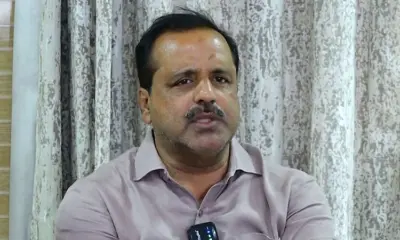

Bengaluru: The Karnataka state government has constituted a Cabinet Sub-Committee under the leadership of Minister U.T. Khader to tackle issues such as exorbitant fee hikes by private institutions, the menace of coaching centers, and question paper leaks.
The 'Cabinet Sub-Committee on Student Issues and Education Reforms' will feature Higher Education Minister Basavaraj Rayareddy, Home Minister Priyank Kharge, Medical Education Minister Dr. Sharan Prakash Patil, and School Education Minister Madhu Bangarappa as its members.
The committee has been entrusted with six specific terms of reference aimed at conducting interactive sessions with students, understanding their challenges, aspirations, and views, and recommending comprehensive educational reforms to address the hurdles faced by youth.
Committed to educational reform:
Sharing the development in a post on X, Chief Minister D.K. Shivakumar stated that the committee would focus on completely curtailing examination malpractices and paper leaks, regulating private institution fees, strengthening infrastructure in government educational institutions, developing employment-oriented curricula, protecting student mental health, and ensuring equal educational opportunities. He added that after holding extensive consultations with students, parents, and experts, the panel will submit its report to the government within a month, emphasizing the administration's commitment to securing the educational future of the youth.
6 terms of reference for recommendations:
Bringing accountability to examinations and recruitment processes, including introducing major reforms to prevent paper leaks and malpractices.
Examining the imposition of exorbitant fees by private educational institutions and regulating the operations of coaching centers.
Assessing and recommending improvements to the infrastructure of public educational institutions.
Providing suggestions to align curriculum, skills, and education to make them employment-oriented.
Submitting recommendations to enhance student behavior and support their mental well-being.
Suggesting measures to ensure enhanced access and equality in education across all communities.