
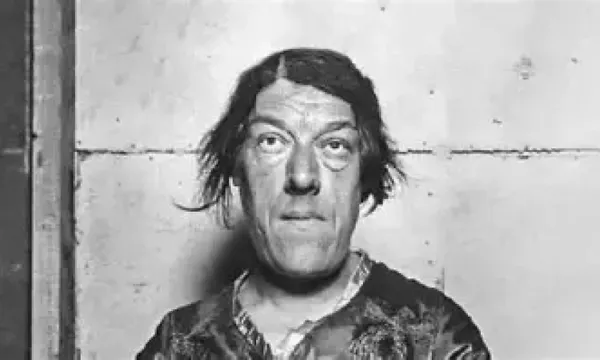

Mary Ann Webster was born in East London in the 1870s into a large, struggling family. With seven siblings and limited income, life was never easy, but they managed to get by.
A promising beginning
As she grew older, Mary Ann trained as a nurse and became known for her dedication to the profession. She later met a farmer, Thomas Bevan, and the two married, building a family together with four children. For some years, their life remained stable and content.
When life took an unexpected turn
However, in her early thirties, her body began to change in unusual ways-her hands and feet enlarged, her facial features altered, and her jaw and brow became more pronounced. What is now identified as acromegaly, a condition caused by excessive growth hormone, was not understood at the time, leaving her without diagnosis or treatment.
Facing society's harsh gaze
These changes drew unwanted attention. Strangers stared, children mocked her, and even acquaintances distanced themselves. Despite this, her husband remained supportive.
Left to fight alone
After her husband's death, Mary Ann was left to raise her four children on her own, with no stable income. She searched for work but faced repeated rejection, often because of her appearance.
A painful choice for survival
She took up small jobs like cleaning and farm work, but it was not enough. Eventually, after seeing a newspaper advertisement for an "ugliest woman" contest offering payment, she made a difficult decision to apply-driven by the need to support her children.
Life on display
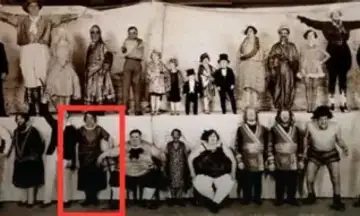
This led her into sideshows, where she was exhibited to audiences who paid to look at her. The experience was humiliating, but it provided a steady income, which she sent home for her children's needs.
Across the ocean for work
She was later invited by P. T. Barnum to perform in the United States and worked at Coney Island, gaining widespread attention under a label that defined her appearance.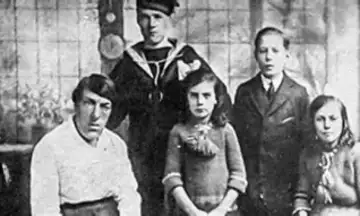
Beyond the label
While the public saw only her looks, her life story remained largely unknown. She continued working and supporting her children, ensuring they were fed, clothed, and educated.
A mother's enduring legacy
Mary Ann Bevan died in 1933 at the age of 59. Though she faced years of hardship and public ridicule, her efforts secured a better future for her children. To the world, she was known by a title-but to her family, she was simply their mother.