


If you have spent time on the roads of India, from the high passes of Ladakh to the busy streets of Delhi, you have likely noticed small, colourful rectangles of cloth fluttering from the handlebars of motorcycles and bicycles.
While many riders use stickers or brand decals for decoration, the Tibetan bike flag is a unique accessory that combines ancient Himalayan tradition with a modern call for cultural preservation.
A symbol beyond decoration
In the world of transport, flags usually signal patriotism or brand loyalty. However, the Tibetan bike flag serves a more profound purpose. It is a visual representation of hope and resilience. For the rider, displaying this flag is not just an aesthetic choice; it is a way to participate in a global dialogue regarding human rights, spiritual heritage, and the identity of the Tibetan people.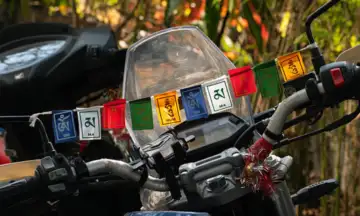
History and origins: The modern "Wind Horse"
The roots of this accessory lie in the traditional Lungta, or "wind horse" prayer flags. In Tibetan culture, these flags are historically placed in high, windy spots like mountain peaks or bridges.
The Power of the Wind: It is traditionally believed that the wind acts as a silent messenger. As it brushes against the fabric, it carries the prayers and mantras printed on the flag across the world, spreading goodwill and compassion to all living beings.
A Modern Adaptation: Moving the Lungta from a mountain pass to a bicycle handlebar is a contemporary evolution. It allows the movement of the vehicle to serve the same purpose as the mountain breeze, making the act of commuting a mobile form of prayer and advocacy.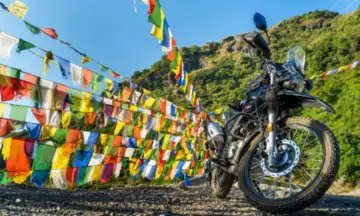
Decoding the symbolism
Each element of the Tibetan bike flag has a specific meaning:
Colours: The five colours - blue, white, red, green and yellow - represent space, air, fire, water and earth. Together, they reflect balance and harmony in nature.
Mantras: A commonly printed chant is "Om Mani Padme Hum," which is associated with compassion and blessings.
Wind horse (Lungta): The central symbol represents strength, speed and the ability to overcome challenges. It carries the "Three Jewels" - the Buddha, the Dharma (teachings) and the Sangha (community).
Other symbols: Some flags also include dragons, snow lions and traditional patterns, each representing ideas such as power, courage, protection and good fortune.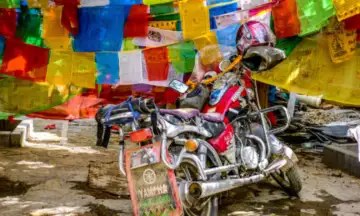
Significance of the display
For riders in India and abroad, the flag serves as a multi-purpose tool for advocacy:
Awareness: It acts as a silent conversation starter, prompting observers to ask about Tibetan culture and history.
Solidarity: It is a visible sign of support for the Tibetan community's struggle for cultural and religious freedom.
Moving Meditation: It symbolically broadcasts positive energy and wishes for peace with every rotation of the wheels.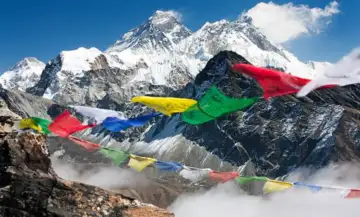
Guidelines for respectful use
Because these are spiritual items, they require a level of care beyond that of a standard sticker:
Placement: Ensure the flag is clean and securely fastened. It should never be allowed to touch the ground or be placed in a dirty area.
Education: A rider should ideally understand the meaning of the mantras and symbols before displaying them.
Disposal: When a flag becomes frayed or faded, it should not be thrown in the bin. Tradition dictates that old flags be burned respectfully (so the smoke carries the final prayers) or buried in a clean, undisturbed location.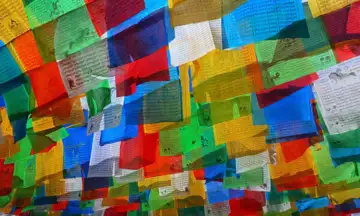
Frequently asked questions
Is it disrespectful for non-Buddhists to use them?
No. It is generally seen as a gesture of friendship and support for peace, provided it is handled with sincerity.
Where should I buy these flags?
To ensure the proceeds support the community, it is best to purchase them from Tibetan-run shops, cultural centres, or fair-trade vendors.
Does the direction of the horse matter?
Usually, the horse faces outward to represent the outward spread of blessings, though there is no rigid rule for bike placement. The Tibetan bike flag is more than a trend; it is a bridge between the ancient traditions of the Himalayas and the modern roads of the world. By understanding its history, riders can transform their journey into a statement of peace and global solidarity.
Should a Tibetan bike flag always be gifted, or can it be bought personally?
A Tibetan bike flag does not necessarily have to be gifted. While some people believe that receiving prayer flags as a gift carries special meaning, symbolising blessings from others, this is only a cultural preference and not a strict rule. In practice, many individuals buy these flags themselves, especially during travel to Himalayan regions, and use them on their bikes. What matters most is understanding the cultural and spiritual significance of the flag and displaying it with respect. Whether it is gifted or self-purchased, its value depends on the intention and awareness behind its use.
The Tibetan bike flag reflects a combination of tradition, spirituality and awareness, making it a meaningful symbol for many riders across the world.