




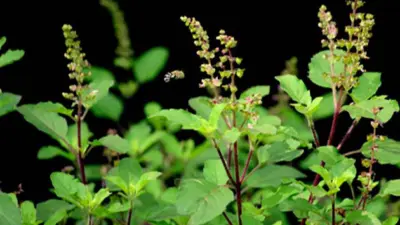

In Hinduism, the Tulsi plant is not just a plant but considered a sacred manifestation of the Goddess. It is believed that worshipping Tulsi daily with devotion brings peace, prosperity, and happiness to the household.
Along with its leaves, the blossoms (manjari) of the Tulsi plant hold special significance in both religious practices and Vastu Shastra. Here's how you can make the most of them.
Benefits and Uses of Tulsi Blossoms
Tulsi is highly revered by Lord Vishnu, and offering the plant's fresh blossoms after washing them with clean water during Vishnu worship (especially on Thursdays) is believed to help overcome financial difficulties. After the ritual, tie the blossoms in a clean red cloth and keep them in your cash box or wallet to attract wealth.
Remove Negativity and Invite Blessings
Tulsi blossoms can also be offered during Maa Lakshmi worship, which is believed to bring abundance and open new channels for financial gain. To remove negative energies from the home, add a little Ganga water to normal water, place the blossoms in it, and sprinkle this water around your house.
How to Harvest Tulsi Blossoms
Never pluck the blossoms immediately after they appear. Wait until they turn brown, and always seek permission from Tulsi Mata with folded hands before breaking them.
Common Mistakes to Avoid
- Do not pluck Tulsi leaves or blossoms on Sundays and Ekadashi.
- Avoid touching Tulsi after sunset.
- Never pluck leaves or blossoms with unclean hands or without taking a bath.
- Use naturally fallen blossoms from the pot first.
- Avoid unnecessary plucking without purpose.
- Keep the area around Tulsi clean, and do not place footwear or dust bins nearby.
- Avoid planting thorny plants like cactus near Tulsi.
Disclaimer: The content provided here is based on beliefs and information only. Always consult a concerned expert.