
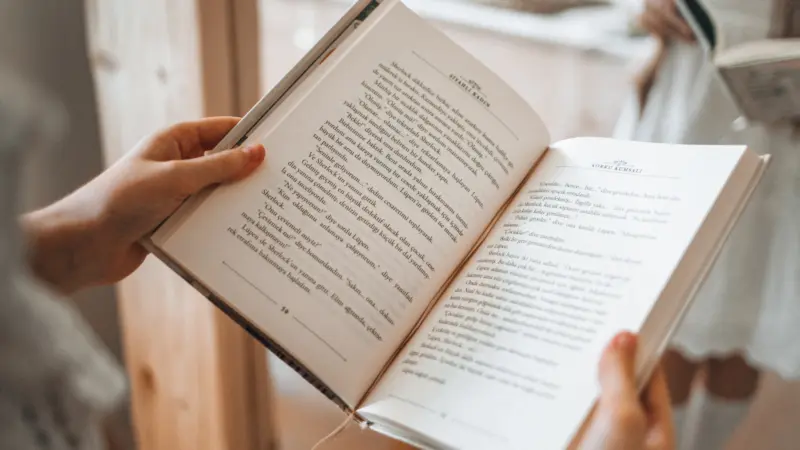

One of the most common questions among readers is whether they should spend more time reading fiction or non-fiction. Some people believe fiction is purely for entertainment, while non-fiction is meant for learning and gaining knowledge.
However, the reality is far more complex. Both genres offer unique benefits, and each plays an important role in shaping how we think, understand the world, and grow as individuals.
Books have always been powerful tools for expanding knowledge, stimulating imagination, and developing deeper perspectives about life. Whether through storytelling or factual exploration, books provide insights that go beyond everyday experiences. The choice between fiction and non-fiction often depends on personal preferences, learning goals, and the type of experience a reader seeks.
Fiction books invite readers into imaginative worlds filled with characters, emotions, and stories that explore the complexities of human relationships and experiences. Through novels and short stories, readers can step into different lives, cultures, and historical periods. Fiction often reveals emotional truths and social realities in ways that facts alone cannot capture.
Non-fiction books, on the other hand, focus on real events, ideas, and knowledge. They help readers understand history, science, psychology, business, and countless other subjects. Non-fiction offers practical insights and intellectual frameworks that can shape careers, decision-making, and personal development.
Rather than competing with each other, fiction and non-fiction complement one another. Each genre strengthens different aspects of the mind-one stimulates imagination and empathy, while the other expands knowledge and critical thinking. Understanding the strengths of both can help readers develop a balanced and enriching reading habit.
Key differences between fiction and non-fiction
Understanding fiction books
Fiction books are built on imagination and storytelling. They present invented characters, events, and settings, even though many stories are inspired by real-life experiences or historical contexts. Fiction allows authors to explore complex emotions, relationships, and moral dilemmas through narrative.
One of the most powerful aspects of fiction is its ability to place readers inside the minds and experiences of different characters. Through this process, readers begin to understand perspectives that may be very different from their own lives. Stories often highlight universal human experiences such as love, loss, ambition, fear, and resilience.
Fiction also stimulates creativity and imagination. As readers visualize scenes and characters described in a story, their minds actively participate in creating the narrative world. This imaginative engagement strengthens creative thinking and emotional intelligence.
Additionally, fiction can offer subtle lessons about society, culture, and human behaviour. Many classic novels explore themes such as justice, inequality, identity, and personal transformation, allowing readers to reflect on deeper aspects of life.
Understanding non-fiction books
Non-fiction books focus on real-world information, facts, and knowledge. These books are designed to educate, inform, and explain different aspects of reality. Non-fiction covers a wide range of subjects, including science, history, psychology, politics, business, and personal development.
One of the greatest advantages of non-fiction is its ability to provide structured learning. Readers can gain insights from experts, researchers, and professionals who have studied their subjects extensively. This makes non-fiction a valuable resource for acquiring practical knowledge and understanding complex ideas.
Non-fiction books often help readers improve their decision-making and problem-solving skills. By learning about real events, successful individuals, and scientific discoveries, readers gain knowledge that can influence their personal and professional lives.
Another important benefit of non-fiction is that it encourages analytical thinking. Readers are exposed to arguments, evidence, and different viewpoints that challenge them to evaluate information critically.
How fiction enhances emotional intelligence
Fiction has a unique ability to develop empathy and emotional awareness. When readers follow the journey of a character through challenges, relationships, and conflicts, they begin to understand emotions from multiple perspectives.
This emotional engagement helps readers become more empathetic toward others in real life. They learn to recognize feelings, motivations, and struggles that may not always be visible on the surface.
Stories also allow readers to explore complex moral questions. Characters often face difficult decisions, forcing readers to reflect on their own values and beliefs. Through these narratives, fiction encourages deeper self-reflection and emotional maturity.
For many readers, fiction also provides comfort and inspiration. Stories remind people that challenges, failures, and personal growth are universal parts of the human experience.
How non-fiction strengthens knowledge and skills
While fiction nurtures imagination and empathy, non-fiction excels at expanding knowledge and practical understanding. Readers turn to non-fiction when they want to learn about specific subjects or develop new skills.
For example, books on psychology can help readers understand human behaviour, while business books provide strategies for leadership and entrepreneurship. Historical works allow readers to learn from past events and understand how societies evolve over time.
Non-fiction often offers frameworks, methods, and insights that readers can apply directly to their lives. Many personal development books, for instance, teach strategies for improving habits, productivity, and mental resilience.
This practical dimension makes non-fiction an essential resource for individuals who want to continuously learn and grow.
Choosing the right books for your goals
The choice between fiction and non-fiction often depends on what readers hope to gain from their reading experience. If someone wants to relax, explore imaginative worlds, and connect with emotional stories, fiction may be the ideal choice.
On the other hand, readers seeking knowledge, professional development, or deeper understanding of specific subjects may prefer non-fiction.
However, many experienced readers recommend maintaining a balance between the two. Fiction strengthens creativity and empathy, while non-fiction expands knowledge and intellectual understanding. Together, they provide a more complete reading experience.
A balanced reading habit allows individuals to grow both emotionally and intellectually while keeping their curiosity alive.
Building a balanced reading habit
Developing a healthy reading routine often involves exploring both fiction and non-fiction. Alternating between the two genres can keep reading fresh and engaging while offering different types of benefits.
For instance, after reading a dense non-fiction book filled with information and ideas, switching to a novel can provide relaxation and creative stimulation. Similarly, after enjoying an imaginative story, readers may feel motivated to explore real-world topics through non-fiction.
A balanced approach helps readers enjoy the best of both worlds-stories that inspire the imagination and knowledge that sharpens the mind.
Over time, this combination can lead to a richer reading experience and a deeper appreciation for literature in all its forms.
Final thoughts
Fiction and non-fiction are often seen as two separate worlds of reading, but in reality they complement each other beautifully. Fiction opens doors to imagination, emotional depth, and human experiences that help readers understand life in a more meaningful way. Non-fiction, on the other hand, provides knowledge, insights, and practical wisdom that help individuals navigate the real world more effectively.
Both genres contribute to personal growth in different ways. Fiction nurtures empathy, creativity, and emotional awareness, while non-fiction strengthens intellectual understanding and problem-solving skills.
Instead of choosing one over the other, the most rewarding reading journey often comes from embracing both. By exploring stories that spark imagination and books that expand knowledge, readers can develop a well-rounded perspective that enriches both their minds and their lives.
In the end, the best book to read is simply the one that inspires curiosity, encourages reflection, and keeps the joy of reading alive.