




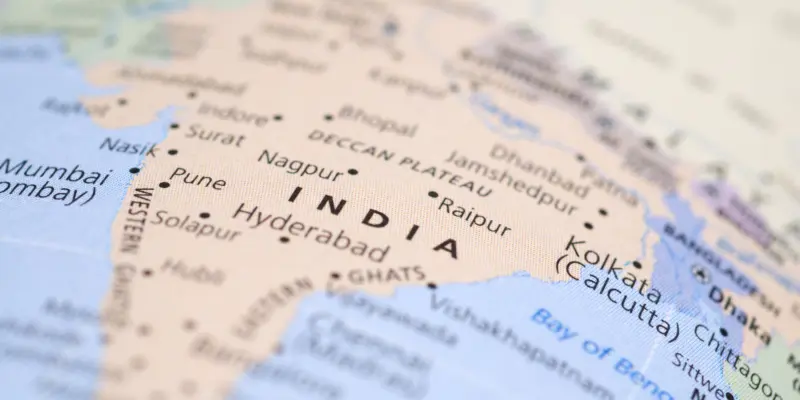

For years, building a startup in India meant moving to Bengaluru, Mumbai, or Delhi. That assumption is slowly changing. Founders are now launching startups from cities such as Jaipur, Indore, Coimbatore, and Kochi.
Lower costs and returning tech talent allow companies to operate with smaller teams and lower burn rates.
But building outside metros is not without challenges. Access to funding, specialised talent, and startup infrastructure is still limited in many smaller cities.
Even so, the shift is significant. According to the Press Information Bureau, over 51% of DPIIT-recognised startups in India now come from Tier 2 and Tier 3 cities, showing that India's startup ecosystem is no longer dominated only by metro hubs. Let's understand this shift in detail!
Lower costs create longer runways
One of the biggest advantages of building a startup outside major metros is cost efficiency. Operational expenses in Tier 2 cities are significantly lower. Real estate rentals can be up to 50% cheaper than in large startup hubs, while talent acquisition costs are often 25-30% lower.
These savings make a significant difference for early-stage companies. Lower office rents, salaries, and living costs allow startups to extend their financial runway. Instead of burning capital on infrastructure, founders can allocate more resources to product development and customer acquisition.
Cities such as Indore and Coimbatore are increasingly attracting skilled graduates who prefer staying closer to home. This creates strong local talent pools while helping startups build competitive teams without paying metro-level salaries.
Government initiatives are also supporting this shift. Programs such as Jaipur's iStart initiative provide seed funding, mentorship, and tax incentives that make launching a startup more affordable in emerging ecosystems.
Access to underserved markets
Tier 2 cities offer another major advantage: proximity to real problems. Many metro-based startups focus on urban consumers who are already well served by digital products and services. In contrast, smaller cities and towns still face major gaps in sectors such as logistics, healthcare access, education, and small business digitisation.
Startups built in these environments often develop solutions tailored to regional needs. These products may start locally but can scale nationally once the model proves effective. India's next billion users live outside the largest metros. Founders operating in Tier 2 ecosystems often have deeper insights into the challenges these consumers face.
This creates opportunities to build businesses rooted in real demand rather than speculative trends.
Startups are already proving the model
Several companies have demonstrated the potential of Tier 2-focused innovation. For example, CityMall built a grocery delivery platform targeting smaller cities and towns. The company raised $47 million to expand its network and reported average order values of around Rs 450-500 in these markets.
Another one is Truemeds, which raised $85 million to expand affordable medicine access across underserved regions. These startups focus on problems often overlooked by metro-first companies, such as last-mile logistics, affordable healthcare, and value-focused retail.
By solving hyperlocal challenges, they gain distribution advantages that competitors from larger cities may struggle to replicate.
The hidden challenges of building outside metros
Despite the opportunities, founders in Tier 2 cities also face several structural challenges.
Access to venture capital remains limited because most investors are concentrated in metro ecosystems such as Bengaluru and Mumbai. As a result, founders from smaller cities often struggle to build investor networks or must relocate to raise funding.
Historically, only about 20% of Indian startups have emerged from Tier 2 and Tier 3 cities, and these companies have received a relatively small share of venture capital funding. Talent acquisition can also be difficult. While local graduates are available, startups often struggle to find specialised technical talent. Many founders must train employees from scratch or offer higher salaries to attract experienced professionals from metros.
Infrastructure gaps create additional hurdles. Poor transportation networks, inconsistent internet connectivity, and limited co-working spaces can slow operations. Logistics challenges also affect supply chains for startups working in manufacturing, e-commerce, or regional distribution.
Mentorship and incubation support remain uneven as well. Compared to metro ecosystems, many smaller cities still lack strong startup communities, accelerators, and angel investor networks.
Why most startups should aim for 2x growth instead of 10x
A structural shift in India's startup ecosystem
The growth of Tier 2 ecosystems is not a small trend. More than half of India's recognised startups now originate from Tier 2 and Tier 3 cities. As digital connectivity improves and regional economies expand, these cities are becoming natural launchpads for new ventures.
Lower costs reduce financial risk for founders, while untapped markets provide opportunities for innovation. For investors, this shift also opens access to startups building for India's next wave of consumers.
The bottom line
India's startup story is entering a new phase. While metros will continue to play an important role, the next generation of companies may increasingly emerge from smaller cities where costs are lower, problems are closer, and markets are still underserved. In many ways, the future of Indian entrepreneurship may not lie in the country's biggest cities. It may lie in the ones that were overlooked for years.