

Launched in 2014, PhotoSparks is a weekly feature from YourStory, with photographs that celebrate the spirit of creativity and innovation.
In the earlier 975 posts, we featured an art festival,cartoon gallery.world music festival, telecom expo, millets fair,climate change expo,wildlife conference,startup festival,Diwali rangoli, and jazz festival.
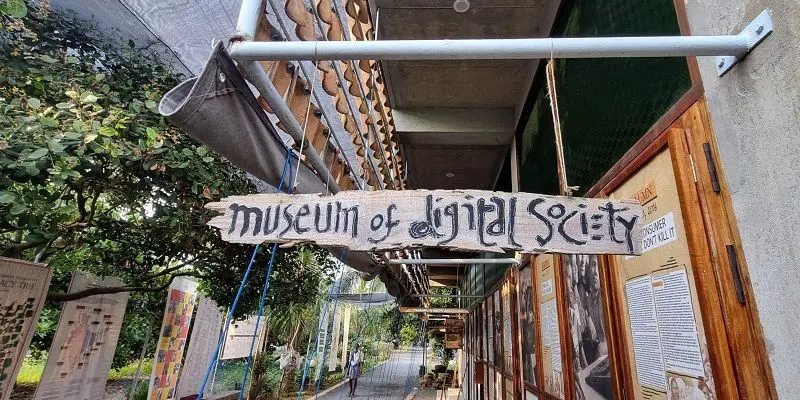
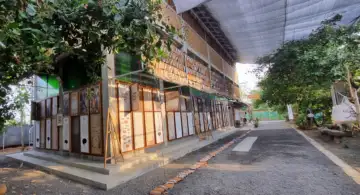
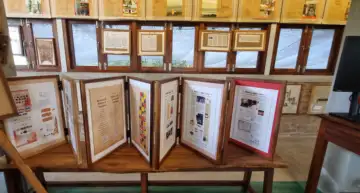
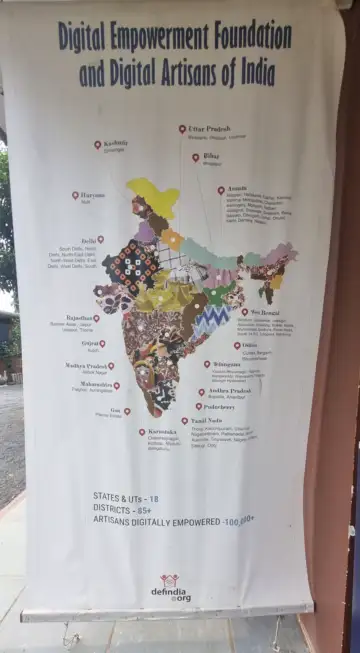
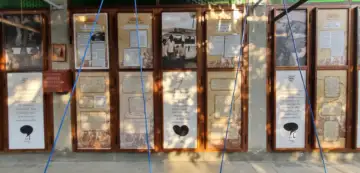
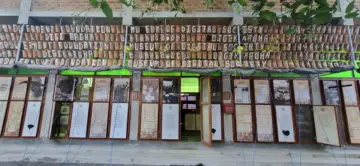
Located in rural Puducherry, the Museum of Digital Society is a community-centred space that documents the journey of digital development in India through the lens of the Digital Empowerment Foundation. See our coverage of its earlier activities here, including the Manthan Awards for digital impact.
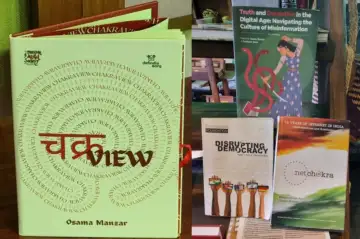
"Our museum is a living archive of real-world stories showing how digital tools can transform lives. It lies at the intersection of art, design, history, and technology. It features books, games, discussions, workshops, and maker-space activities," DEF founder Osama Manzar tells YourStory.
Year in review: What 2025's data tells us about women in India
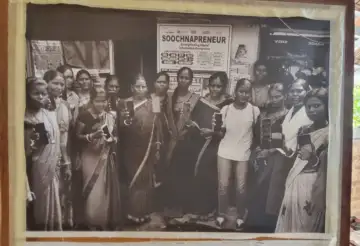
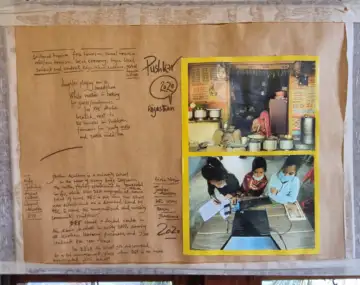
The museum prioritises narratives from marginalised communities of India. It highlights stories of inclusion, rural women entrepreneurs, barefoot engineers, digital libraries, community networks, and more. See also YourStory's photo essays on the Computer History Museum in Silicon Valley, Museum of Mathematics in New York city, and Indian Music Experience in Bengaluru.
"The digital world is about more than devices and data. It is about people, power, access, and justice," Manzar affirms.
He points to the sheer scale of the country, and the daunting challenges of reliably connecting every Indian citizen across 665,000 villages, 250,000 panchayats, 28 states, and eight Union Territories. "India also has 780 spoken languages, and 70% of the population belons to the Dalit, Bahujan, and OBC communities," he adds.
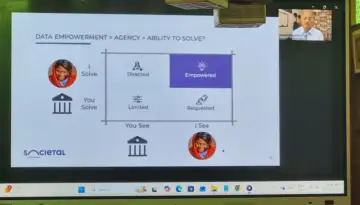
In this context, Manzar raises critical questions about affordable digital access and its impacts. Who has access to the Internet - who controls and benefits from this access? Who is able to represent themselves digitally and authentically? What are the challenges of unconnected communities, as well as those inundated with fake news, misinformation, scams, fraud, and cyberstalking?
"Digital society should truly mean a network of communities with equitable and open access, active participation, and public safety. It should have robust infrastructure for digitalised education, governance, finance, healthcare, and social services," he explains.
For over two decades, the Digital Empowerment Foundation (DEF) has been working on meaningful digital inclusion, especially in rural areas. "We have reached more than 35 million people and participated in several policies that have made digital access wider and promoted literacy," Manzar says.
Year in review: startups that raised big from VCs in 2025
The museum views different grassroots innovations such as community services centres (CSCs) as models of transformation via social entrepreneurship and local empowerment. "We have initiatives for ensuring last mile Internet access, and our museum highlights the larger surrounding knowledge economy in rural areas that can be boosted digitally," he adds.
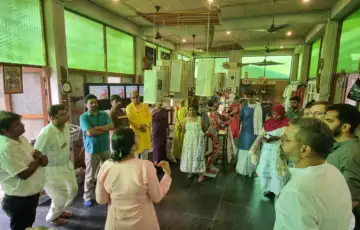
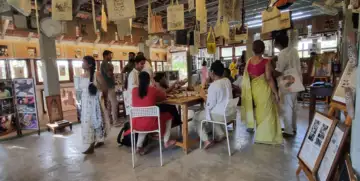
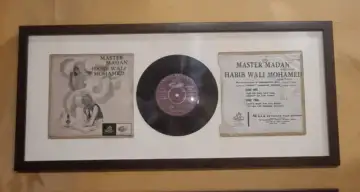
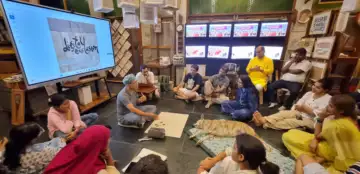
In addition to hosting archival materials and upcycled digital art, the museum serves as a valuable community space for civil society organisations to engage in dialogue and strategy. For example, the Bihar Development Collective recently held a brainstorming and capacity-building session at the DEF community spaces to strengthen its local development ecosystem.
"By positioning itself as a common resource for learning and immersion, the museum is making itself accessible to communities in insightful ways. It highlights the empowering role of digital technology, social entrepreneurship, and ecosystem partnerships," Manzar describes.
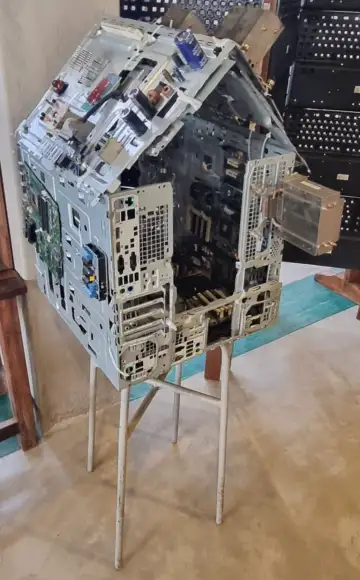
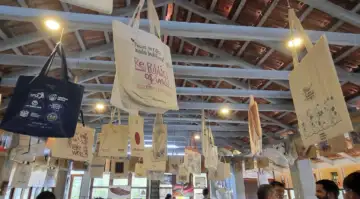
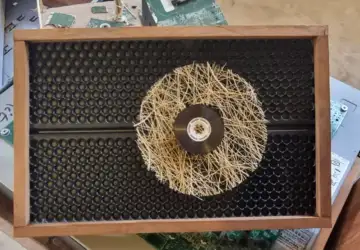
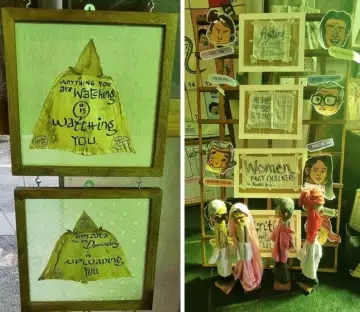
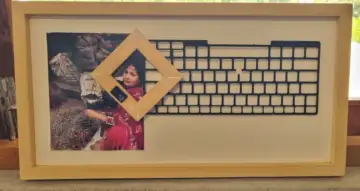
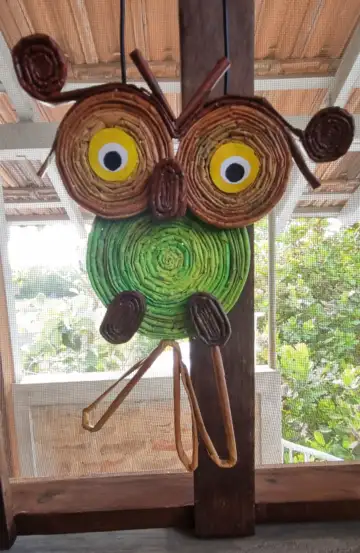
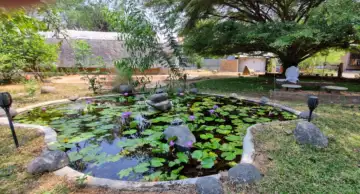
The museum space extends to a creative campus called Mayil ('peacock' in Tamil). It comprises of four guesthouses, a community kitchen, and several indoor and outdoor spaces for social activities and co-working. There is also a makerspace for youth workshops and educational activities, such as refurbishing electronic devices and making art from e-waste.
The campus has its own organic farm, and the local produce supplies the community kitchen. Workshop residents can immerse in the local culinary culture featuring cashew, tapioca, sweet potato, mango, tamarind, red rice, and more.
The campus hosts creative residencies to support artists and cultural practitioners, and engage with local artisans There are partnerships in place with other museums and cultural institutions, and a fruitful exchange of ideas with local experts at the nearby Auroville Foundation.
How IIT Madras Incubation Cell is powering India's next-gen deeptech startups
"There is a wealth of discovery for urban dwellers who want to explore, preserve and collaborate with the rural knowledge ecosystem, rural business ecosystem, and rural lifestyle ecosystem. All this requires integration, creativity, an entrepreneurial mindset, and values of respect, trust and love," Manzar emphasises.
There are digital applications on display for health, tourism, governance, education, culture, and heritage. "We have built a range of resources in a very frugal manner, and all the initiatives have been tested in the field," he adds.
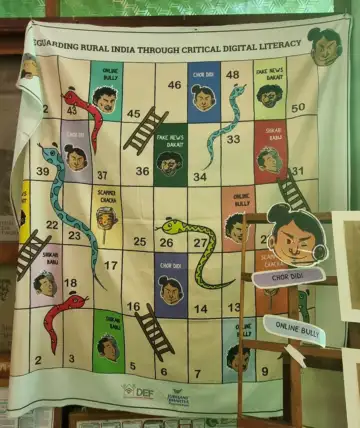
The museum helps visitors visualise and experience not just the positive impacts of digital technology, but also the urgent need to tackle misinformation and fake news. "We have developed a curriculum along with toolkits and gamified activities for children to learn about digital literacy," he illustrates.
"We promote immersive experiences for people to truly understand what it takes to think out of the box and tackle the challenges and opportunities in as vast and diverse a country as India. The lessons can be compared and adapted for other countries as well," Manzar says.
Interestingly, the space is a great way to connect and disconnect. There is internet access, but it also helps to unplug, understand rural life, and appreciate the beauty of nature.
"In a fast-changing world, it is important to grasp the good, bad and ugly of technology. Humans are capable of so much good - as well as distraction and harm," Manzar observes.

Year in Review: Top 10 celebrity-backed ventures of 2025
Future plans for the museum include enhancing the visual experience for those who cannot visit the museum in person. For example, VR (virtual reality) content could bring this experience to a wider audience.
"Ultimately, the museum presents itself as a way to curate knowledge and activate a creative community towards ensuring a more just, equitable and inclusive digital future," Manzar signs off.
Now what have you done today to pause in your busy schedule and harness your creative side for a better world?
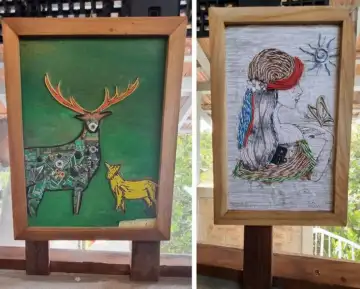
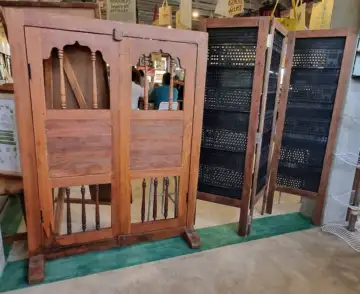
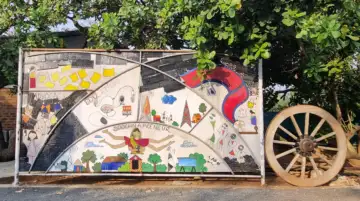
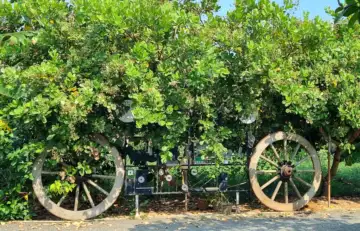
(All photographs taken by Madanmohan Rao on location at the Museum of Digital Society.)