




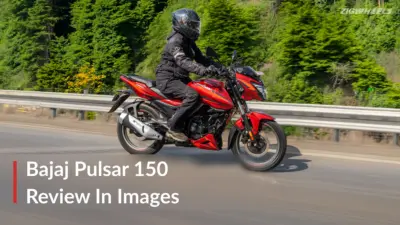

The Bajaj Pulsar 150 has been one of India's most recognisable motorcycles since its debut in 2001. For its 25th anniversary, Bajaj has given the OG Pulsar a major makeover while retaining the familiar silhouette that made it so popular over the years.
We rode the top-spec split-seat version to see how much the iconic motorcycle has evolved.
Familiar, But Sharper
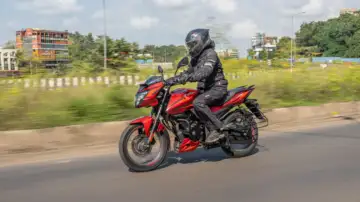
The 2026 Pulsar 150 retains its familiar proportions but gets a more aggressive design. The redesigned LED headlight continues with the signature Wolf-eye DRLs, while the mirrors are now similar to those seen on the Pulsar N160.

A Sportier Rear
The side panels have been redesigned and look sharper, while the tapering rear end remains instantly recognisable. The LED taillight is new, and the biggest visual change is the addition of a monoshock, which gives the rear a cleaner appearance.

Three Variants, Three Flavours
The Pulsar 150 is available with a single-piece seat and rear drum brake, a single-piece seat with a rear disc, and the top-spec split-seat version with a rear disc. The latter two get a TFT console.
Modern Features
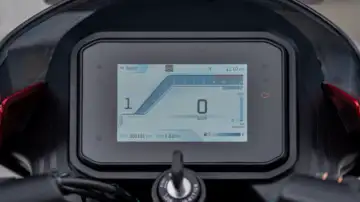
The biggest upgrade is the 5-inch TFT display. It gets smartphone connectivity, call and SMS alerts, music controls and turn-by-turn navigation. The top variant also gets Google Maps mirroring. A USB Type-C port is another handy addition.

Three Riding Modes
The Pulsar gets Road, Rain and Sport riding modes, with each mode slightly altering the performance and throttle response. There's also a low-speed assist function that reduces the need for clutch modulation and helps prevent stalling in slow-moving traffic.

More Comfortable Than Before
The riding position remains slightly sporty without being committed. Seat cushioning is well judged, while the wider split-seat pillion section offers better support for passengers.
A Refined New Engine
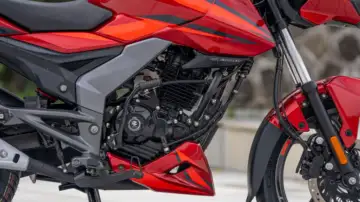
The 149cc engine is now air/oil-cooled and produces its peak power at 8,000rpm. Peak torque stands at 14.1 Nm, while 12 Nm is available right from 3,000rpm, making the motor tractable in everyday riding. The bike is now quicker than before, as it now does the 0-60 kmph sprint in a claimed 5.7 seconds. A whole 0.5 seconds faster than the previous iteration.

Easier To Ride
The new Pulsar weighs 141 kg kerb, making it a whole 9 kg lighter than before. Combined with the new chassis, this makes changing direction and filtering through traffic noticeably easier.

Ride & Handling
The new suspension setup offers a comfortable and planted ride. The brakes provide adequate bite, while the single-channel ABS is tuned to intervene without being overly intrusive.

ZigSays
The 2026 Bajaj Pulsar 150 feels like a mature evolution of an icon. It retains the character and silhouette of the original while adding modern features, better refinement and significantly easier handling. It may still be the Pulsar 150 at heart, but it is now a considerably friendlier motorcycle.