
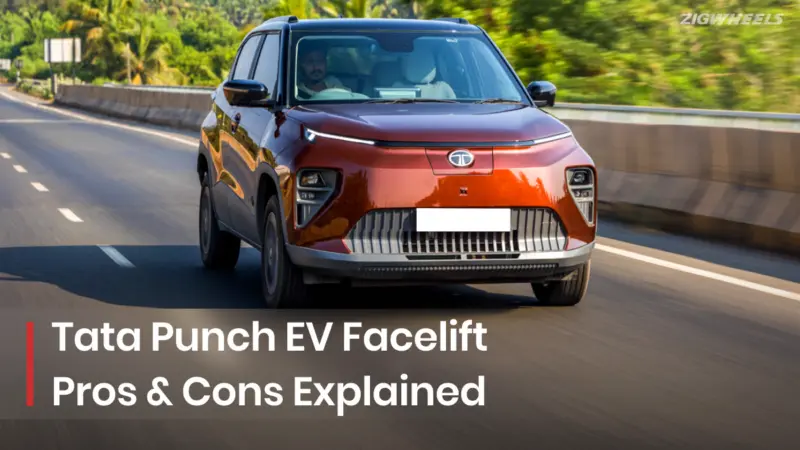

Ever since its introduction in 2024, the Tata Punch EV has been one of the most popular all-electric models from the brand. But now after just a short two year stint, the EV has undergone its first major facelift with reworked styling, new features and a lot more range.
Does this update make it a better option though? Let's explore its pros and cons:
2026 Tata Punch EV Facelift: Exterior
Pros:
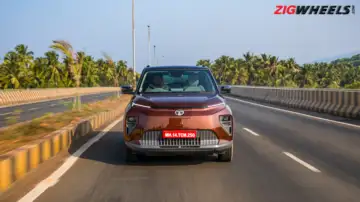
The Punch EV was always a handsome crossover with a sophisticated, yet mature design, and this facelift builds on it by de-cluttering the fascia and making it appear slightly larger in size.
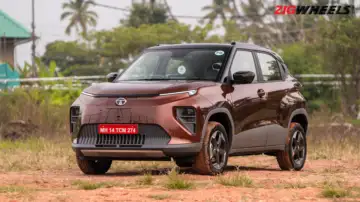
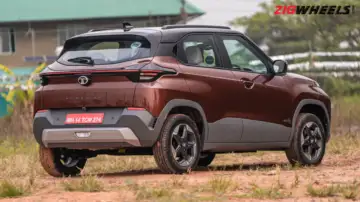
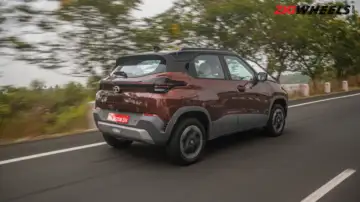
Additions like the connected LED taillamp cluster, sleeker bumpers and new colours give it a fresh personality.
2026 Tata Punch Facelift: Interior
Pros:
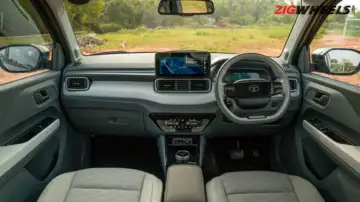
The interior of the facelift remains largely unchanged with the dual-tone dashboard, two-spoke steering wheel and a free-standing infotainment system all of which look modern and polished. The facelift also gets a grey and white cabin theme which makes it feel airier.
Cons:
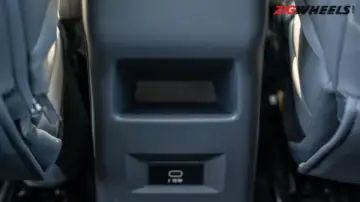
The rear seat space is limited and the middle passenger does not get a headrest, which restricts its ability to be a truly comfortable 5-seater on longer journeys.
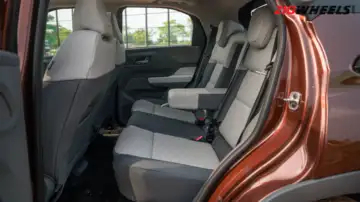
Second row occupants also lose out on conveniences like dedicated AC vents, cupholders and window shades which would have made the experience better.
2026 Tata Punch EV Facelift: Features And Safety
Pros:
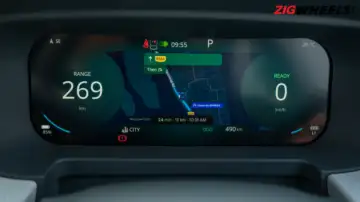
Tata has maintained good equipment levels in the new Punch EV, with features like a 10.25-inch touchscreen infotainment system, 10-inch digital instrument cluster, wireless Android Auto/Apple CarPlay, ventilated front seats, wireless charger, air purifier, voice-enabled electric sunroof and a unique high-beam alert function.
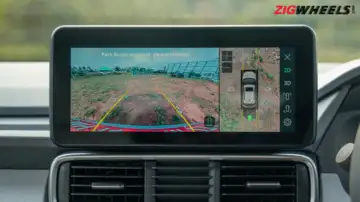
Safety is a strong point with 6 airbags, electronic stability control, hill hold control, electronic parking brake with auto-hold, 360-degree camera, blind view monitor and rear parking sensors.
Cons:
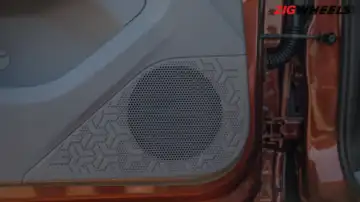
Some features have been downgraded or given a miss like a 6-speaker sound system (facelift gets an inferior 4-speaker setup), all-wheel disc brakes (swapped out for a front-disc, rear-drum setup) and split-folding rear seats.
2026 Tata Punch EV Facelift: Powertrain
Pros:
Tata has added larger 30 kWh and 40 kWh battery packs (pre-facelift got 25kWh and 35kWh) with this facelift resulting in a much longer real-life range.
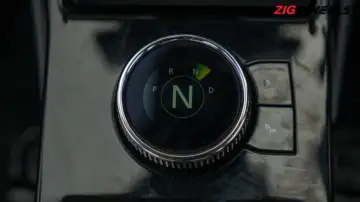
Ride quality over bad roads is plush, while still maintaining composure at high speeds over smooth stretches.
2026 Tata Punch EV Facelift: Price
Pros:
With this update, Tata has given the Punch EV a significant price cut with prices now ranging from Rs 9.69 lakh to Rs 12.59 lakh (ex-showroom) making it great value-for-money for what it offers.
Tata has also introduced a Battery-as-a-service scheme (BaaS), which helps lower the entry-point significantly. These plans start from as low as Rs 6.49 lakh (ex-showroom) + Rs 2.6 per km for the base Smart 30 variant.
2026 Tata Punch EV Facelift: Rivals
The new Punch EV has only one direct rival in the form of the Citroen eC3. However, the price cut means it can be an alternative to smaller cars like the Tata Tiago EV and MG Comet EV, while also overlapping with bigger offerings such as the MG Windsor EV, Tata Nexon EV and Mahindra XUV 3XO EV.
ZigSays…
The Punch EV has always been a great option in the segment, given the premium feel, classy design and a user-friendly powertrain. That said, these improvements in the facelift along with the massive price cut do make it an even more compelling package that's harder to ignore. In addition to just being a nice urban EV, the longer range also makes it a far better do-it-all-machine which certainly increases its appeal.
What are your thoughts on the new Punch EV? Comment down below!
Tata Punch EV Video Review