
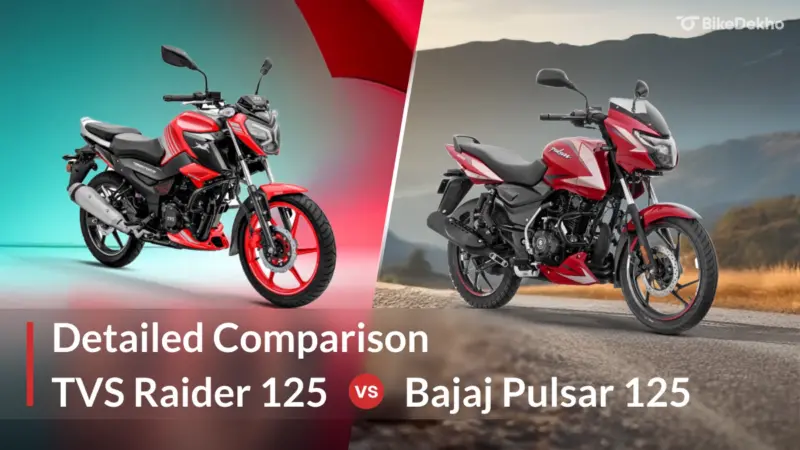

The decision comes down to whether you prefer modern tech and styling or classic design and affordability
The TVS Raider 125 and Bajaj Pulsar 125 are two popular motorcycles in the 125cc segment.
Both bikes have everyday usability but with a hint of sportiness. The Raider focuses on modern styling and features, whereas the Pulsar 125 has the familiar design that's loved by the Pulsar enthusiasts. This detailed comparison will help you choose the one that fits your requirements.
Prices & Variants
TVS Raider | Bajaj Pulsar 125 | ||
Variant | Ex-showroom Price | Variant | Ex-showroom Price |
Drum | Rs 82,000 | Neon Single Seat | Rs 81,438 |
Single-Seat | Rs 87,600 | Carbon Fibre Single Seat | Rs 89,910 |
Rs 91,650 | |||
Rs 91,650 | |||
Rs 92,650 | Carbon Fibre Split Seat | Rs 92,046 | |
Rs 95,225 | |||
Rs 97,050 |
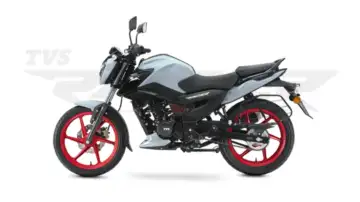
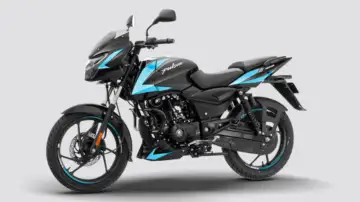
Both motorcycles have multiple variant options. However, the Bajaj Pulsar 125 is clearly the more affordable option, and has a front disc brake as standard.
The TVS Raider offers greater choice of variants with varying features. That gives the buyer more freedom to choose between affordability and premiumness.
Dimensions & Design
Specification | TVS Raider | Bajaj Pulsar 125 | Difference |
Wheelbase | 1326mm | 1320mm | 6mm |
Ground Clearance | 180 mm | 165 mm | 25mm |
Kerb Weight | 123-125kg | 144-146kg | 21kg |
Length | 2070mm | 2042-2055mm | 15-28mm |
Width | 785mm | 755mm | 30mm |
Height | 1028mm | 1060mm | 32mm |
Fuel Tank Capacity | 10 litres | 11.5 litres | 1.5 litres |
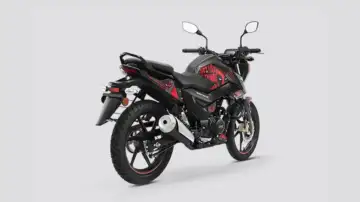
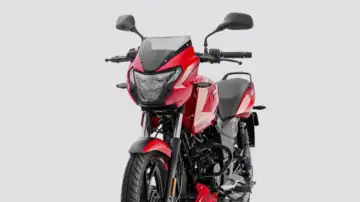
The TVS Raider is slightly longer and wider, while the Bajaj Pulsar bike is a bit taller. However, both look almost similar in terms of size when you see them in the flesh.
Both motorcycles have quite similar a wheelbase and are likely to deliver almost identical stability and agility. However, the Raider offers more ground clearance, which is better for broken roads. Meanwhile, the Pulsar 125 has a larger fuel tank, delivering a better range on a single fill.
The lightness of the Raider helps better flickability in traffic, while also enhancing its sporty intent. The heft of the Pulsar 125, on the other hand, gives stability and a more planted feel at high speeds.
Both bikes offer their own sporty flavours, without compromising on practicality and comfort. Plus, both are available with single and split-seat options.
The Raider looks more modern and distinct with its LED headlamp and DRL pattern, along with the sculpted tank and sharp tank extensions.
Meanwhile, the Pulsar 125 appears more muscular due to its larger tank and carries the same iconic design that has been revered for decades.
Ride & Handling
Specification | TVS Raider | Bajaj Pulsar 125 |
Front Suspension | Telescopic Fork | Telescopic Fork |
Rear Suspension | Gas-charged Monoshock, 5-step Preload Adjustable | Gas-charged Twin Shocks, 5-step Preload Adjustable |
Front Brake | • 240mm Disc with ABS (TFT DD and SXC DD) • 240mm Disc (SSE, iGO, Split-Seat and Disc) • Drum - 130mm | 240mm Disc |
Rear Brake | • 200 mm Disc (TFT DD and SXC DD) • Drum - 130 mm with CBS | 130 mm Drum with CBS |
Front Tyre | • 90/90 - 17 Tubeless (TFT DD and SXC DD) • 80/100 - 17 Tubeless | 80/100 - 17 Tubeless |
Rear Tyre | • 110/80 - 17 Tubeless (TFT DD and SXC DD) • 100/90 - 17 Tubeless | 100/90 - 17 Tubeless |
Wheels | 17-inch Alloys | 17-inch Alloys |
Both motorcycles are based on tubular steel frames and use a telescopic fork and gas-charged, 5-step preload-adjustable rear suspension. However, the TVS Raider gets a monoshock for enhanced agility, while the Bajaj Pulsar 125 focuses more on comfort with twin shock absorbers.
The sizes of brakes, either disc or drum, and combined braking systems, are identical on both motorcycles. The Bajaj bike features a front disc brake as standard throughout the range, while the base variant of the Raider comes with drum brakes on both wheels.
However, the Raider also offers dual disc brakes and even a single-channel ABS in its higher trim levels. So, you can get better braking performance for a premium price. Otherwise, the Pulsar 125's setup is better in the lower price range.
Both motorcycles run on similar-sized tubeless tyres as well. However, the Raider's variants with dual-disc and ABS use wider tyres, offering not just better braking but also more confident grip for their higher price.
Features & Tech
Features | TVS Raider | Bajaj Pulsar 125 |
Headlamp | LED | • LED (Carbon Fibre) • Halogen (Neon) |
Instrument Cluster | • TFT Colour Display with SmartXonnect (TFT DD) • LCD Console with SmartXonnect (SXC DD, SSE, iGO and Split-Seat) • LCD Console (Disc and Drum) | • LCD Console with Bluetooth (Carbon Fibre) • Semi-digital (Neon) |
Navigation | Turn-by-Turn (not available on Drum and Disc) | Not Available |
Voice Assist | Available on TFT DD, SXC DD, SSE, iGO and Split-Seat | Not Available |
Riding Modes | Eco, Power and Boost (not available on Drum and Disc) | Not Available |
ABS | Single-channel (only on TFT DD and SXC DD) | Not Available |
Glide Through Traffic (GTT) | Not Available | |
Charging Port | USB A port | USB A port |
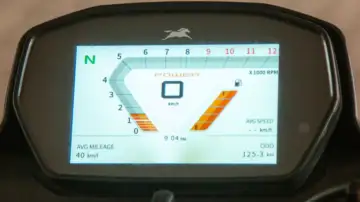
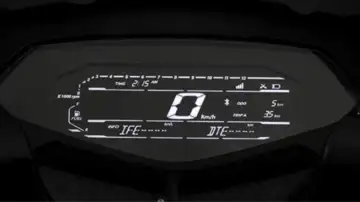
The TVS Raider is a clear winner in this aspect as it offers all-LED lighting and a digital instrument cluster as standard. The higher variants have Bluetooth connectivity, while the top two trims also get a colour TFT display that offers call management, navigation and voice-assist features.
The Bajaj Pulsar 125 features a halogen headlamp and a semi-digital console in the base trim. The higher variants have an LED headlamp and a digital LCD cluster with Bluetooth connectivity, but only for call management.
The Raider further offers a follow-me headlamp, riding modes and Glide Through Traffic (GTT) that allows you to ride at slow speeds without any throttle input. These are some features never seen before in this segment, and you won't see them on the Pulsar 125 as well.
Engine & Performance
Specification | TVS Raider | Bajaj Pulsar 125 |
Engine Displacement | 124.8cc | 124.4cc |
Cooling System | Air-cooled | Air-cooled |
Maximum Power | 11.4PS @ 7500rpm | 11.8PS @ 8500rpm |
Maximum Torque | • 11.75Nm @ 6000rpm (TFT DD, SXC DD, SSE, iGO and Split-Seat) • 11.2Nm @ 6000rpm (Disc and Drum) | 10.8Nm @ 6500rpm |
Clutch | Wet, multi-plate | Wet, multi-plate |
Gearbox | 5-Speed | 5-Speed |
- Both motorcycles are powered by single-cylinder, air-cooled engines of nearly identical displacement. The Bajaj Pulsar 125's engine uses its proven twin-spark technology for better performance, while the TVS bike applies a more modern approach with triple-valve tech.
The Bajaj Pulsar 125 delivers slightly more power, while the TVS Raider has a bit more torque output. However, a better power-to-weight ratio makes the Raider feel spirited, and it is also said to deliver best-in-class acceleration. TVS claims that the Raider can go from 0 to 60kmph in just 5.8 seconds with the Boost Mode, available on its higher variants.
Both motorcycles offer a 5-speed gearbox, which is perfect according to their performance figures and usability.
Verdict
The TVS Raider is the better choice if you want a modern-looking 125cc motorcycle with sporty performance and advanced features. It feels light, quick, and engaging to ride, especially in urban conditions. The Bajaj Pulsar 125, is ideal for riders who value comfort and the proven Pulsar brand image. It looks more muscular and is well-suited for riding on open roads due to its heft and range. The decision comes down to whether you prefer modern tech and styling or classic design and affordability.
Comparison With Other Rivals
In terms of a frugal-yet-fun riding experience, the TVS Raider 125 is a tad bit better than the Xtreme 125R in the city.
When comparing the Shine 125 to the Raider 125, the Raider is a more fun commuter as well as enjoyable on weekend rides.
Both the TVS Raider 125 and the Bajaj Pulsar N125 come with edgy styling and youthful shades, with the Raider to be a bit more pleasing to look at.
When compared to theBajaj Pulsar NS125, the TVS Raider 125 is quite a lot more accessible, lighter and spacious for pillion riders.
In terms of safety tech on board, the TVS Raider 125 proves to be safer than the Honda SP125.
- If seeking a frugal 125cc commuter motorcycle, the TVS Raider 125 and the Hero Super Splendor 125 will offer similar mileage but the Hero has a larger fuel tank.