




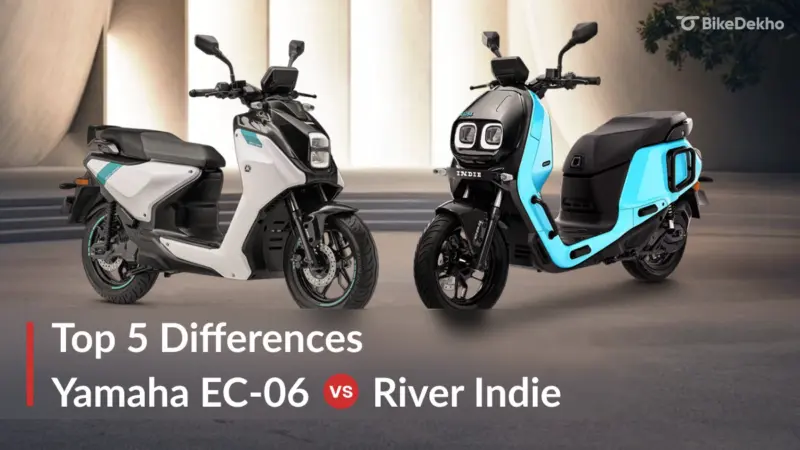

Two scooters, same platform but different vibes
Yamaha has finally stepped into India's fast-growing electric scooter segment with the EC-06, a model derived from the already available River Indie.
And while both scooters share the same platform, they have some major differences. Here are the five major ones that set them apart:
Design
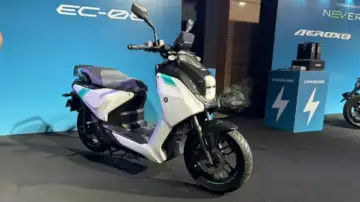
In the Yamaha EC-06, it's immediately evident that the platform is derived from the River Indie. It shares the same large apron and side panels, but Yamaha has introduced some distinct elements to set it apart. The most striking difference is the headlight. The EC-06 gets a vertically stacked, dual-pod LED setup that gives it a futuristic character. The second major change is at the rear, where the Yamaha looks noticeably slimmer, lending it a sportier and more youthful stance.
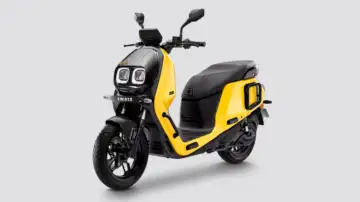
The River Indie, meanwhile, stays true to its rugged, utility-driven character. It gets bold, boxy lines and muscular proportions, giving it a very utilitarian stance. The horizontally placed dual-pod LED headlights and beefy tail section further emphasise its 'built for utility' nature.
Range
Despite sharing the same 4kWh battery pack, the two scooters have slightly different range figures. The Yamaha EC-06 claims an IDC (Indian Driving Cycle) range of 160km on a full charge. Yamaha has also stated that a standard charger will take around 9 hours to charge the scooter from 0 to 100 percent.
The River Indie, using the same battery capacity, offers a slightly higher claimed IDC range of 163km. River says the scooter delivers around 110km of real-world range in Eco mode. Charging performance is also quicker, the Indie can go from 0 to 80 percent in five hours using a 750W charger.
Storage and Practicality
This is an area where the River Indie firmly dominates. Designed as one of the most practical electric scooters in the country, it offers a massive 43-litre underseat storage area, paired with a lockable 12-litre front glovebox. From a full-face helmet to groceries and work bags, the Indie is built to carry it all with ease.
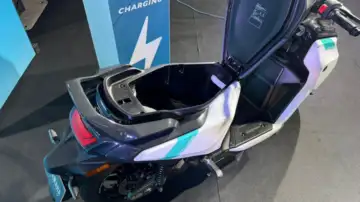
The Yamaha EC-06, despite sharing the same platform, goes for a more compact storage layout. Its 24.5-litre underseat compartment is adequate but nowhere near the extremely practical capacity of the Indie. It also skips the glovebox entirely, reducing overall storage flexibility.

Features
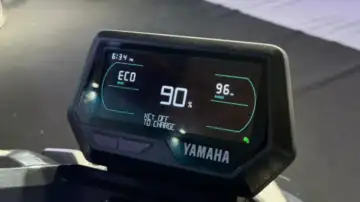
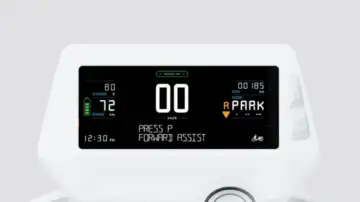
Both scooters are equipped with the same colour LCD instrument console, although the layout of information differs between the two. While Yamaha hasn't officially revealed the full feature list for the EC-06, images suggest it will offer multiple riding modes and keyless ignition.
The River Indie, on the other hand, already comes with a well-rounded feature set. In addition to basics like speed, state of charge, and trip data, it offers ride statistics, hill-hold assist, customisable data points, and real-time charging information across modes. It also gets multiple accessory mounting points, a large boot light, crash guards, pannier mounts, and optional front brackets.
Launch Status
The River Indie is already available for purchase across multiple cities and is priced at Rs 1,49,399 (ex-showroom, Bengaluru). It comes in a single variant but offers a wide range of accessories that further boost its versatility.
As for the Yamaha EC-06, the scooter has only been unveiled so far, with Yamaha yet to disclose all of its specifications. The company has confirmed that it will announce the price in the first quarter of 2026 (on or before March 31, 2026). We expect it to be positioned slightly above the River Indie, with an estimated price of around Rs 1.60 lakh (ex-showroom).