




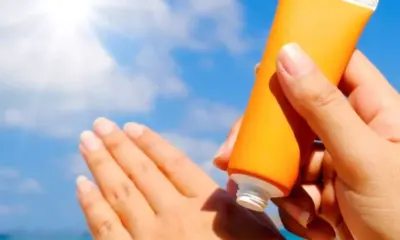

Social media has become a popular source of skincare advice, with platforms such as TikTok and Instagram filled with videos recommending products, sharing beauty hacks and discussing sun protection.
However, experts are warning that not everything seen online is backed by science.
A recent study has found that videos spreading misinformation about sunscreen often attract higher levels of engagement than those sharing accurate health advice. While most sunscreen related content on TikTok promotes sun protection, misleading posts questioning the safety or effectiveness of sunscreen.
The findings, published in PLOS Digital Health, were based on an analysis of 971 TikTok videos. Researchers found that only a small number of videos discouraged sunscreen use or raised concerns about its safety. Despite being a minority, these posts tended to attract disproportionate attention from users.
Why Misinformation Matters
Paul Banwell, a UK based plastic and cosmetic surgeon and skin health expert, said social media platforms often reward content that is controversial or challenges widely accepted advice.
"Claims suggesting that sunscreen is harmful or unnecessary are likely to spark more discussion than straightforward health information," he explained.
"The danger is that people begin to confuse views and likes with scientific evidence. When it comes to sun protection, this can have real consequences if individuals are discouraged from using sunscreen based on misinformation rather than facts," Banwell said.
Sunscreen Is About More Than Appearance
Many social media posts focus on sunscreen's cosmetic benefits, such as preventing wrinkles, pigmentation and premature skin ageing. While these benefits are genuine, Banwell believes the conversation should go much further.
"As a doctor, my primary concern is skin health," he said. "Skin cancer is one of the most common cancers worldwide, yet it receives far less attention online than beauty related benefits."
He added that understanding sunscreen's role in protecting against harmful ultraviolet (UV) damage and reducing the risk of skin cancer gives people a much stronger reason to use it every day.
How to Identify Reliable Advice Online
Experts recommend checking whether skincare information comes from qualified dermatologists, healthcare professionals or trusted medical organisations before acting on it.
People should be cautious of sensational claims that suggest sunscreen is toxic, unnecessary or ineffective, especially when those claims are not supported by scientific evidence.
Building Healthy Sun Protection Habits
Banwell emphasised that sun safety habits should begin early in life. Research shows that sun damage accumulates over time, and severe sunburns during childhood can increase the risk of skin cancer later in life.
"The earlier we educate children and teenagers about sun safety, the better. Ideally, applying sunscreen should become as routine as brushing your teeth," he said.
Experts say sunscreen should not be viewed as a beauty product alone. It is an important tool for protecting skin health and reducing the long term effects of UV exposure.