

06 April 2026, New Delhi: India is advancing efforts to improve the nutritional quality of staple foods with the development of designer rice, an innovation aimed at addressing malnutrition and rising lifestyle-related diseases.
Developed by CSIR-National Institute for Interdisciplinary Science and Technology (CSIR-NIIST), the initiative reflects a growing focus on using food science to enhance the health value of widely consumed crops.
Rice remains a primary dietary component for more than half of the global population, particularly across Asia and Africa. However, conventional polished rice is associated with rapid increases in blood glucose levels after consumption and provides limited protein and micronutrients. This has contributed to concerns around the rising prevalence of Type 2 Diabetes, alongside persistent micronutrient deficiencies in many developing regions.
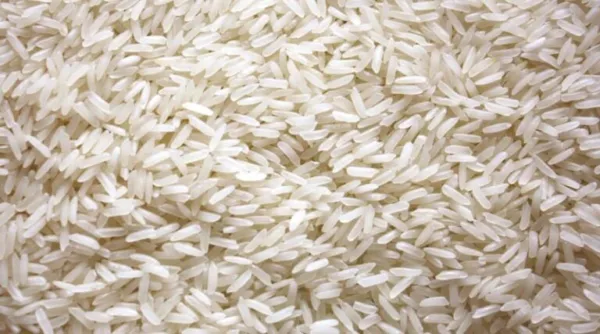
The designer rice developed by CSIR-NIIST seeks to address these challenges by enhancing the nutritional composition of rice while retaining its conventional consumption pattern. According to available information, the rice contains significantly higher protein levels, reported to be up to three times that of standard varieties while also exhibiting a lower glycaemic response.
By moderating carbohydrate digestibility, the product is expected to support better blood sugar management. This could be particularly relevant in regions where rice forms a major share of daily calorie intake and where dietary diversification remains limited.
In addition to improved protein content, the designer rice is fortified with essential micronutrients such as iron, folic acid, and vitamin B12. These nutrients are critical in addressing deficiencies that are widespread in many populations, even where caloric intake is adequate.
Iron deficiency remains a leading cause of anaemia globally, while inadequate intake of folic acid and vitamin B12 can affect overall health, including cognitive and metabolic functions. Incorporating these nutrients into a staple food provides a practical pathway to improve intake at scale.
The transition from research to market is being facilitated through technology transfer agreements with Tata Consumer Products Limited and SS Soul Foods. This step is expected to support scale-up and enable wider availability, although timelines for commercial rollout and pricing will be key factors influencing adoption.
The development has also received recognition through the Tata Transformation Prize (2024), awarded to Dr. C. Anandharamakrishnan, indicating industry and institutional interest in such nutrition-focused innovations.
The introduction of nutritionally enhanced rice aligns with broader discussions around improving diet quality within existing food systems. In many countries, efforts to address malnutrition are increasingly focusing not only on food availability but also on nutritional adequacy.
Staple crop enhancement offers one pathway, particularly in regions where dietary habits are deeply rooted and difficult to shift rapidly. However, its effectiveness will depend on factors such as cost, consumer acceptance, regulatory approvals, and integration into existing supply chains.
While the innovation has been developed in India, its potential relevance extends to other rice-consuming regions facing similar nutritional and health challenges. If successfully scaled, such approaches could complement existing interventions aimed at reducing both micronutrient deficiencies and the incidence of non-communicable diseases.
At the same time, experts note that no single intervention can address complex nutrition challenges. Designer rice, therefore, is likely to be one component within a broader strategy that includes dietary diversification, public health initiatives, and improved access to balanced nutrition.
India: Telangana Imposes 60-Day Ban on Paraquat Herbicide Over Safety Concerns
Global Agriculture is an independent international media platform covering agri-business, policy, technology, and sustainability. For editorial collaborations, thought leadership, and strategic communications, write to [email protected]
Facility at Bhawani Mandi focuses on training, product exposure, and knowledge sharing 07 April 2026, New Delhi: Tractors and Farm Equipment
07 April 2026, Africa: The war in the Persian Gulf is already being felt far beyond the region, reflected in rising
07 April 2026, New Delhi: A new report authored by Omnivore, Beanstalk AgTech, and Briter argues that Southeast Asia sits on