




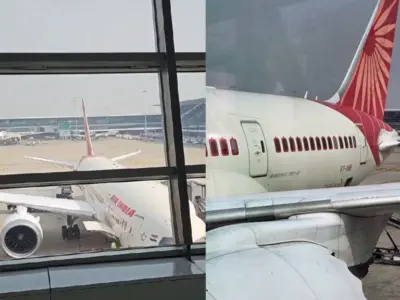

One such case is that of a passenger who flew on the same Air India aircraft earlier that day and is now using the tragedy as a platform for attention.
Akash Vatsa, who had travelled from Delhi to Ahmedabad on the ill-fated Boeing 787-8 Dreamliner just hours before the crash, posted a video highlighting minor malfunctions like non-functional air conditioning and entertainment systems.
While operational issues on flights should not be dismissed, using a mass-casualty event to amplify personal grievances reeks of insensitivity and opportunism.
US Flight Chaos: Delta Denies Boarding to EAD
Social media has unfortunately become a space where tragedies are often exploited for clout. In this case, drawing a direct line between malfunctioning call lights and an aviation disaster without verified technical correlation is misleading and irresponsible.
Vatsa's video, while perhaps initially well-intentioned, has quickly shifted from a consumer complaint to a spectacle. This was not a situation where a few uncomfortable hours of air travel can be equated with the horrific final moments of those on board when the aircraft descended fatally and sent a mayday call that went unanswered.
Air India for Good Dead - No Indian Will Dare to Board Again
Turning technical complaints into a spotlight moment cheapens the real tragedy. There is a time to hold airlines accountable and a time to show restraint.
This moment calls for empathy, not opportunism. Public discourse around such disasters should be rooted in facts, not sensationalism.