

Tezpur: A new research study from Tezpur University has demonstrated that everyday municipal waste such as food scraps and garden debris can be converted into clean, renewable energy, offering a sustainable solution to India's growing solid waste challenge.
The study shows that the organic fraction of municipal solid waste (MSW), which is often dumped in landfills, can be transformed into valuable energy products through a scientific process, reducing environmental pollution while promoting a circular economy approach where waste is treated as a resource.
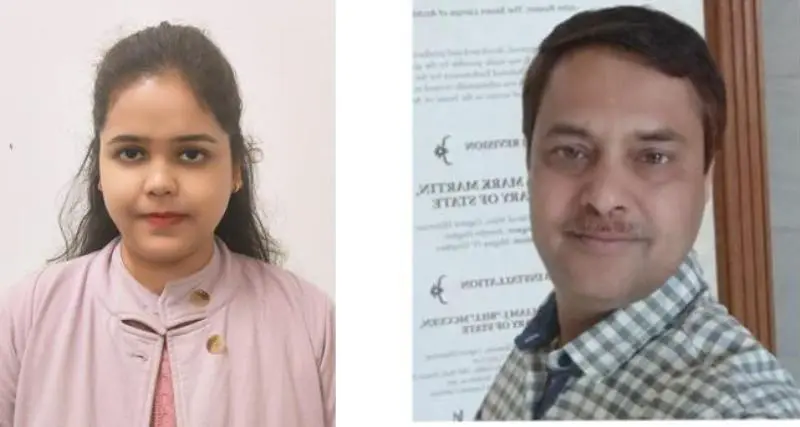
The research was carried out by Mondita Athporia, a PhD scholar in the Department of Energy at Tezpur University, under the supervision of Prof. Rupam Kataki. The findings have been published in two reputed Elsevier journals-Fuel and Sustainable Chemistry and Pharmacy.
Globally, more than two billion tonnes of municipal solid waste are generated every year, a figure projected to rise sharply by 2050. In India alone, daily MSW generation exceeds 1.6 lakh metric tonnes. Improper handling of the organic component of this waste leads to severe environmental and public health risks, including greenhouse gas emissions.
The Tezpur University study focuses on pyrolysis, a thermochemical process in which organic waste is heated in a low-oxygen environment. Unlike direct burning, pyrolysis breaks down waste into three useful products: bio-oil, biochar and non-condensable gases.
According to the researchers, the bio-oil produced has a higher carbon and hydrogen content and significantly lower oxygen levels than the original waste, resulting in a higher heating value. The hydrocarbon composition of the fuel is comparable to conventional fuels such as diesel and gasoline, making it a promising alternative energy source.
The biochar obtained during the process is highly porous with an enhanced surface area. When applied to soil, it can improve soil structure and promote beneficial microbial activity, adding value beyond energy production.
The study also analysed the energy requirements of the conversion process, providing crucial data for designing efficient and scalable waste-to-energy facilities.
Researchers say the findings offer a practical alternative to the conventional "take-make-dispose" model of waste management. By diverting organic waste from landfills, the approach can help reduce methane emissions while creating new resource streams for energy and agriculture.