




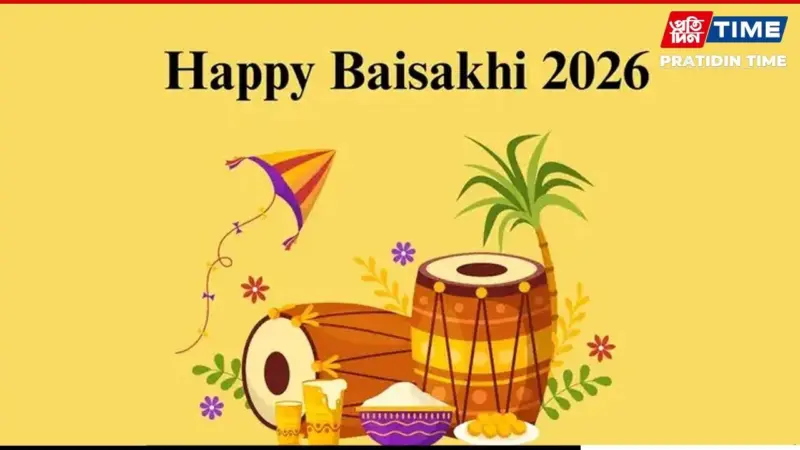

Baisakhi 2026 is one of the most important harvest festivals in India, especially in Punjab, and holds deep religious significance for the Sikh community.
It also marks the Solar New Year and symbolises new beginnings, prosperity, and community spirit.
When is Baisakhi in 2026? Date and Muhurat
In 2026, Baisakhi will be celebrated on Tuesday, April 14.
Sankranti Moment (Auspicious Timing): 09:39 AM
This moment signifies the Sun's transition into the zodiac sign of Aries, which is considered highly auspicious and marks the beginning of a new solar cycle.
Historical and Religious Significance of Baisakhi
Baisakhi is deeply rooted in Sikh history. The festival gained prominence in 1699 when Guru Gobind Singh established the Khalsa Panth, a spiritual brotherhood that emphasised equality, courage, and devotion.
This historic event eliminated social divisions and reinforced the idea that all human beings are equal. For Sikhs, Baisakhi is not just a harvest celebration but also a day of spiritual renewal and commitment to faith.
Additionally, Baisakhi marks the beginning of the new year in the Sikh calendar and is celebrated as a time to forgive past grievances and embrace fresh beginnings.
Why Baisakhi is Celebrated
Baisakhi has both agricultural and cultural importance:
Harvest Festival: It celebrates the harvesting of rabi crops, especially wheat, bringing joy and prosperity to farmers.
Solar New Year: Marks the start of a new solar year in many parts of India.
Spiritual Importance: Commemorates the formation of the Khalsa and reinforces Sikh values.
How Baisakhi is Celebrated Across India
Visit to Gurudwaras and Religious Observances
Devotees visit Gurudwaras early in the morning to offer prayers and listen to hymns from the Guru Granth Sahib. Special kirtans and ceremonies are organised to mark the occasion.
A key highlight is the langar, a community meal served to all visitors, symbolising equality and selfless service.
Nagar Kirtan Processions
Colourful processions known as Nagar Kirtans are carried out in towns and cities. These include devotional singing, martial arts displays, and community participation, creating a vibrant spiritual atmosphere.
Traditional Dance and Cultural Celebrations
Baisakhi is incomplete without energetic folk dances:
Bhangra: Performed by men to the beats of the dhol
Giddha: A graceful dance performed by women
These dances celebrate the joy of harvest and community bonding.
Festive Food and Special Dishes
Food plays a central role in Baisakhi celebrations. Families prepare traditional dishes, often in yellow and orange hues to symbolise prosperity:
Sarson ka saag and makke ki roti
Chole kulche
Sweet rice and kesari phirni
Kada Prasad is distributed in Gurudwaras
Sharing meals strengthens family and community ties.
Fairs and Community Gatherings
Local fairs and cultural events are organised, featuring:
Folk music and dance performances
Handicraft stalls
Amusement rides and traditional games
These gatherings bring communities together in celebration.
Baisakhi 2026: A Festival of New Beginnings
Baisakhi is more than just a festival-it is a celebration of faith, gratitude, and unity. Whether through prayers, festive meals, or vibrant dances, the day reflects the spirit of renewal and togetherness.
As Baisakhi 2026 approaches, it offers an opportunity to embrace positivity, celebrate cultural heritage, and strengthen bonds with family and community.
Baisakhi 2026 Wishes, Messages, Quotes and Social Media Captions to Share Joy
Buddha Purnima 2026: Date, Timings, Significance, Rituals and Teachings of Lord Buddha
Baisakhi 2026: When is Vaisakhi? Date, Significance, History & Celebrations