
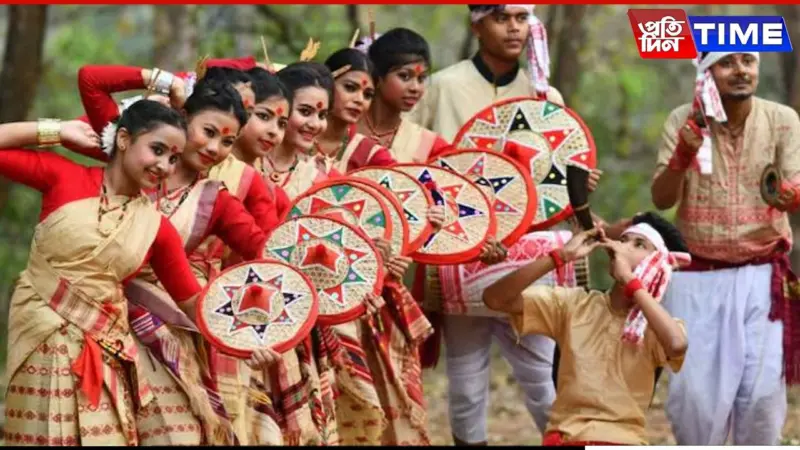

Rongali Bihu, also known as Bohag Bihu, is the most vibrant and widely celebrated festival of Assam. Marking the Assamese New Year and the arrival of spring, it is a time of joy, renewal, and deep cultural expression.
Rooted in the agrarian traditions of the Brahmaputra Valley, the festival brings together music, dance, food, and community spirit in a celebration that defines Assamese identity.
In 2026, Rongali Bihu falls on April 14-15, with extended celebrations continuing throughout the month. However, this year carries a deeper emotional tone, as people across Assam reflect on the legacy of Zubeen Garg. His music, long associated with the spirit of Bihu, adds a layer of remembrance and nostalgia to the celebrations.
Bihu 2026 - Dates & Festival Calendar
Rongali Bihu 2026 begins with Goru Bihu on April 14, followed by Manuh Bihu on April 15, which marks the Assamese New Year. The festivities extend across April with various cultural and social events.
Goru Bihu (April 14) - Honouring cattle with rituals and care
Manuh Bihu (April 15) - New Year celebrations with new clothes, blessings, and feasts
Gosain Bihu (April 16) - Prayers and spiritual observances
Kutum & Senehi Bihu (April 17-22) - Social visits and community bonding
Mela & Chera Bihu (late April) - Fairs, performances, and open celebrations
The festival aligns with Maha Bishuba Sankranti, marking the sun's transition into Aries and the beginning of the solar year.
Significance of Rongali Bihu
Rongali Bihu is deeply tied to agriculture, marking the beginning of the sowing season for Ahu paddy. Farmers pray for good rains, fertile land, and a prosperous harvest. It also marks the start of the Assamese year 1432.
The festival holds national and cultural importance, coinciding with other Indian New Year celebrations like Baisakhi, Vishu, and Puthandu.
Recognised by UNESCO as an Intangible Cultural Heritage (2023), Bihu represents unity across communities-bringing together people of all backgrounds in Assam.
In 2026, its significance goes beyond tradition. The emotional connection to Zubeen Garg makes this year's Bihu not just a celebration, but also a moment of remembrance.
The Three Types of Bihu
Assam celebrates three Bihu festivals, each linked to agricultural cycles:
Rongali (Bohag) Bihu - April; joyful spring festival and New Year
Kongali (Kati) Bihu - October; a quieter, prayer-focused observance
Bhogali (Magh) Bihu - January; harvest festival with feasts and bonfires
Among these, Rongali Bihu is the most lively and widely celebrated.
Bihu Dance & Music: The Soul of the Festival
Bihu is incomplete without its energetic dance and music traditions.
Key Features:
Fast hand movements and expressive gestures
Energetic footwork synced with dhol beats
Open-air performances known as Mukoli Bihu
Traditional Instruments:
Dhol - The heartbeat of Bihu
Pepa - A buffalo horn instrument with a distinct sound
Gogona, Toka, Baanhi - Bamboo-based instruments adding rhythm and melody
Bihu songs (Bihu Geet) often express love, youth, and nature. Husori performances involve groups visiting homes and offering blessings through song.
In 2026, these songs carry deeper meaning, as many remember the iconic contributions of Zubeen Garg, whose voice has long been synonymous with Bihu celebrations.
Best Places to Experience Bihu 2026 in Assam
Some of the top destinations to witness Rongali Bihu include:
Guwahati - Known for grand Bihu Mela events and cultural shows
Jorhat - Famous for authentic cultural nights
Majuli Island - Unique island celebrations rooted in tradition
Sivasagar - Celebrations amidst historic Ahom monuments
Barpeta - Spiritual Bihu experience in Satras
Pathsala - Known for Bihu dance competitions
Bihu 2026 Events & Cultural Highlights
Guwahati
The Bihu Mela at Sarusajai Stadium is the largest celebration, featuring massive dance performances and cultural programmes. Events also take place at Srimanta Sankardev Kalakshetra and across city neighbourhoods.
Jorhat
Nightlong cultural performances and traditional events make it a cultural hub during Bihu.
Dibrugarh
Known for Bihu food festivals showcasing Assamese cuisine and tea garden hospitality.
Food & Traditions of Bihu
Bihu is also a celebration of Assamese cuisine:
Pitha - Rice cakes with coconut or jaggery
Laru - Sweet coconut delicacies
Doi-Sira - Flattened rice with curd
Traditional Assamese thalis and festive dishes
Traditional attire includes a dhoti for men and a mekhela sador for women, often paired with beautiful Assamese jewellery.
A Festival of Joy, Memory, and Identity
Rongali Bihu is more than a festival-it is a way of life. It celebrates nature, community, and cultural heritage while bringing people together in joy and unity.
In 2026, however, the festival carries a deeper emotional resonance. The absence of Zubeen Garg is felt across Assam, as his songs continue to echo through celebrations. His music remains a powerful reminder that Bihu is not just about festivity-it is about identity, belonging, and shared emotion.
As the beats of the dhol fill the air and communities come together, Rongali Bihu 2026 stands as a celebration of both joy and memory-honouring tradition while embracing the emotions that define it.
Rongali Bihu 2026: The Spirit of Assam's Spring, Culture, and New Beginnings
Rongali Bihu 2026: A Festival of Spring, Culture, and Emotion in Assam