

Hello,
Amazon, Microsoft, and Google are hitting an unexpected roadblock in their race to scale computing power. A wave of community opposition has forced the tech giants to pause multibillion-dollar data center projects, just as shareholder scrutiny over their environmental impact intensifies.
With annual shareholder meetings approaching, investors are pressing for greater transparency around water usage and conservation, highlighting the growing tension between rapid AI-driven expansion and sustainability concerns.
At the same time, OpenAI is looking further ahead. In a new report, the company has outlined policy proposals to navigate the disruptions of an AI-driven future-ranging from a public wealth fund and responsive social safety nets to faster development of electrical grid infrastructure.
Titled "Industrial Policy for the Intelligence Age: Ideas to Keep People First," the report also explores the idea of AI "superintelligence"-systems that could surpass human capabilities across tasks, while acknowledging that such technology remains theoretical for now.
In today's newsletter, we will talk about
- Meet the women building for Bharat
- Yes Madam's growth story
Here's your trivia for today: Which programming language is named after a comedy group?
Women Entrepreneurs

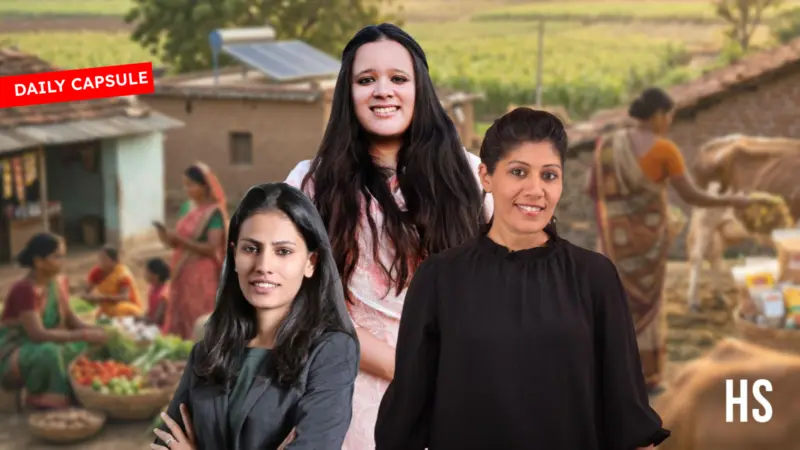
Across India, a new wave of women entrepreneurs is reshaping the meaning of success-prioritising participation, resilience, and community impact over pure scale. From agriculture to rural commerce, these founders are building solutions that strengthen local ecosystems, unlock livelihoods, and bring underserved communities into the economic mainstream.
Key takeaways:
- Founders like Neetu Yadav, Kirti Jangra, and Manjari Sharma are building ventures that prioritise access, trust, and inclusion-showing that meaningful impact often matters more than rapid scaling.
- Startups such as Animall, Farm Didi, Frontier Markets, and S4S Technologies are tackling systemic challenges-credit access, market linkages, post-harvest losses, and last-mile delivery-through simple, scalable, and locally rooted models.
- Leaders like Ajaita Shah and Nidhi Pant are enabling thousands of women to become entrepreneurs themselves-creating ripple effects that extend beyond income to confidence, agency, and long-term community development.
In-focus
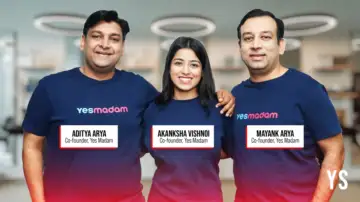
Mayank & Aditya Arya, Akanksha Vishnoi; Noida, 2016.
India's beauty services boom is colliding with a growing trust deficit, and Yes Madam is positioning itself as the fix. Born out of a personal incident involving counterfeit products, the startup is rebuilding the at-home salon experience with transparency, tech-led quality checks, and tightly controlled product ecosystems.
Key takeaways:
- Yes Madam is a home-based beauty and wellness services platform built around transparency and control. It offers more than 200 beauty, hair, and wellness services at home across 50+ cities.
- From auto-assigning professionals to OTP-based service tracking and real-time product scans, the platform creates a full digital trail. This reduces ambiguity in hygiene, pricing, and service delivery-key gaps in India's fragmented salon market.
- With over 17 lakh customers, 24+ lakh annual bookings, and 12,000+ professionals on board, Yes Madam has scaled rapidly. High partner earnings, structured upskilling, and tier-based incentives help retain talent-critical in competing with players like Urban Company and GetLook.
News & updates
- Oracle: Oracle Corp. has named Hilary Maxson, most recently an executive at Schneider Electric SE, as its new chief financial officer.
- Oil prices: Oil prices inched up in choppy trade on Monday, as investors awaited clarity on the status of talks between the US and Iran and remained wary about sustained supply losses due to shipping disruptions.
Which programming language is named after a comedy group?
Answer: Python, named after Monty Python.