




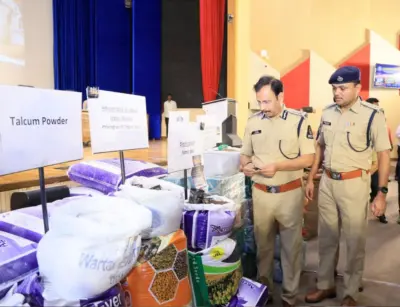

HYDERABAD: Hyderabad police have seized about 25,300kg of adulterated spices during raids on processing and trading units across the city, uncovering the use of synthetic colours, textile dyes, industrial colours, talcum powder and oil to improve the appearance and weight of spices.
Three traders were arrested following searches conducted by the Hyderabad Food Adulteration Surveillance Team (H-FAST). Police said stringent action, including the Preventive Detention Act, would be considered against those involved in organised food adulteration.
Hyderabad police commissioner V C Sajjanar said a Special Investigation Team (SIT) would be formed to investigate the supply chain and identify the sources of adulterated food products.
HYDERABAD: Traffic diversions announced for Bonalu celebrations
Synthetic colours and dyes found in everyday spices
The adulteration racket came to light during searches at spice trading and processing centres in Begum Bazar, Katedan, Mailardevpally and Balapur.
Police found cloves, mustard, shahjeera, cumin, fennel and ajwain among spices being treated with synthetic colours and other substances. Textile and industrial dyes were also allegedly being used to improve their colour.
Investigators found that different chemicals and colours were being used for different spices. These included synthetic orange, red and green colours as well as dyes meant for textiles and industrial applications.
Some colours containing chemicals used in hair dyes were also allegedly used. Talcum powder and rice bran oil were added to give spices extra shine and increase their weight.
Rejected and low-quality stocks were allegedly processed with these substances before being packed for sale.
Cloves and shahjeera were coated with synthetic colours to give them an attractive appearance, while industrial colours were allegedly used on ajwain and other spices.
The adulterated products were then labelled and supplied under different brand names to markets in Telangana, Andhra Pradesh, Maharashtra, Karnataka and other states. The products were allegedly sold at rates substantially lower than prevailing market prices.
Three-day operation targets 13 processing and trading units
The raids followed information received about the adulteration of spices. H-FAST and food safety officials carried out a joint operation over three days, from Saturday to Monday.
Teams inspected 13 spice trading and processing establishments and other business locations. Cases were registered in connection with the adulteration and three traders were arrested.
Police said those involved had established processing and packing facilities on the outskirts of Hyderabad and supplied the products to wholesale markets, including Begum Bazar.
The traders dealt in several commonly used spices and edible products, including cloves, mustard, shahjeera, fennel and refined oil, and supplied products to wholesale markets in several states.
Sajjanar said substances capable of causing serious harm were being used in food products. Police have initiated criminal action against those involved and said the organised networks behind adulteration would also be investigated.
Food adulteration drive expands across Hyderabad
The latest seizure is part of a wider drive against adulterated food in Hyderabad.
Since H-FAST began operations, police and food safety teams have carried out hundreds of inspections and enforcement actions involving milk, ghee, edible oil, turmeric, ginger-garlic paste, paneer, tea powder, meat, fruits, pickles and other everyday food products.
Investigators earlier found titanium dioxide, a substance used in products including paints, being used to make ginger-garlic paste appear whiter. Large quantities of adulterated paste and raw material were seized from several units.
Police also seized rotten or substandard chicken and mutton and large quantities of chicken waste allegedly stored for supply to hotels.
At centres where fruits were allegedly being artificially ripened using chemicals, teams seized tonnes of fruit. Adulterated pickles and tea powder were also recovered during separate operations.
Investigations into dairy products uncovered synthetic paneer allegedly made using substances including urea, detergents and palm oil. Police also seized adulterated curd, cream, ghee and edible oils.
In other operations, authorities found adulterated tea powder being packed in pouches resembling established brands and spurious coconut oil being sold under branded packaging.
Food safety and police teams also inspected ghee manufacturing and sales units, collected samples and destroyed stocks found unfit for consumption.
In another operation, police raided an adulterated milk manufacturing unit and seized about 190 litres of milk. Investigators found that milk powder and chemicals were allegedly being mixed to prepare the product.
H-FAST teams have also carried out inspections at shops in Hyderabad and seized adulterated food products.
Police said adulterated food containing hazardous chemicals could cause gastrointestinal illnesses, ulcers, allergies, skin ailments, neurological problems and could affect the body's immune system. Prolonged exposure to some hazardous substances can also pose serious health risks.
Consumers have been advised to watch for unusual colouring in spices. One basic check cited by authorities is to place the purchased spice in a glass of water. If the water quickly turns red, black or another strong colour, it could indicate the presence of added colouring and should be reported for examination.
Sajjanar said tackling food adulteration required public cooperation in addition to enforcement by police and food safety authorities. Consumers who suspect food adulteration have been asked to alert police or H-FAST.
Police said enforcement would continue against businesses using hazardous substances in food products and against networks supplying adulterated products to consumers.